
Van de Bor says it’s entirely possible that people with IBS can include gluten-containing foods like bread or wheat-based cereals at breakfast, but balance their intake by choosing rice or potato instead of pasta at dinner, for instance.
It differs from person to person, she says, and for that reason it’s wise to seek professional help to find that tolerance level.
If a gluten-free diet is needed, there are ways to avoid overreliance on ultra-processed foods.
I opt for naturally gluten-free ingredients like potatoes, quinoa and polenta. I have also made easy swaps, like tamari for soy sauce.
Because I’m not coeliac, I seem to be OK with any old oat – it’s a personal tolerance level.
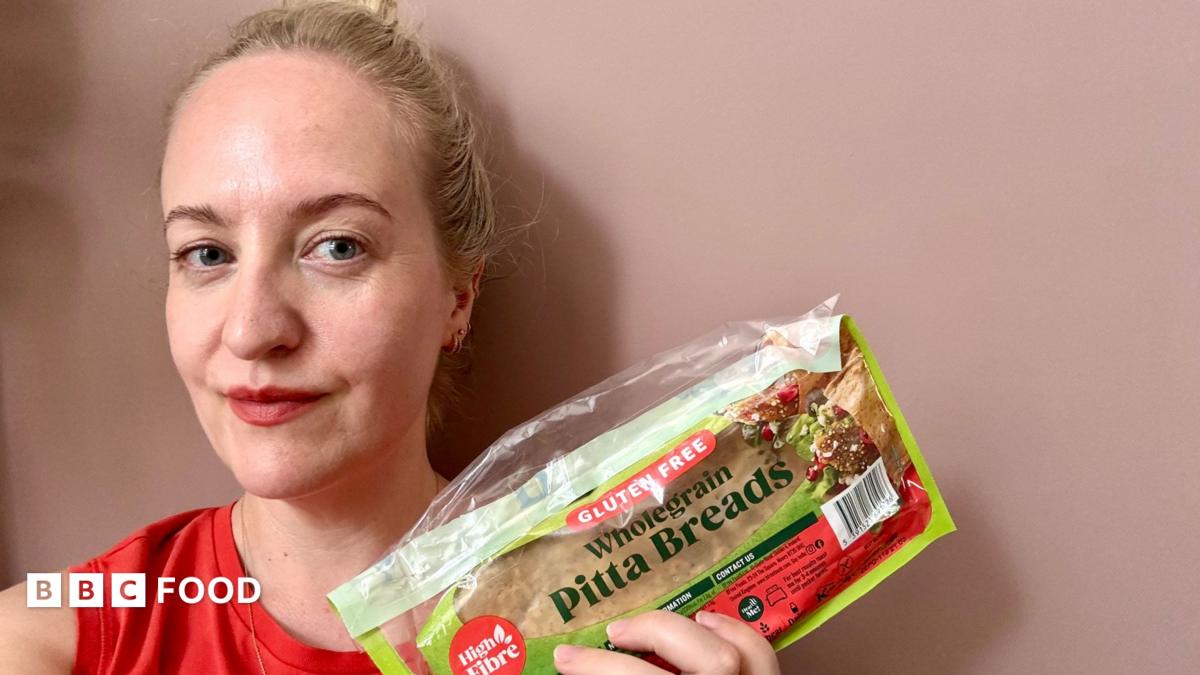
One of my few shop-bought concessions is gluten-free bread, which I’ve never successfully baked well.
But some with IBS tolerate sourdough better, says Van de Bor, “because of its lower fructan content, following fermentation.”
It’s not something I’ve tried but would only consider it with the help of a dietitian – a move Van de Bor recommends if reintroducing gluten after a long period.
As to why anyone would part with it voluntarily for vague health reasons? She’s at a loss.
“I don’t see the point – I really don’t.”
I can’t help but agree. If you can eat a croissant without fear of reprisal from your own gut, why wouldn’t you?
Go and see your GP if you experience new, severe or persistent gut symptoms – especially if they’re coupled with weight loss or a family history of bowel issues.
Want more? Visit BBC Food on Instagram, external, Facebook, external and Pinterest, external or watch the latest Food TV programmes on BBC iPlayer.