
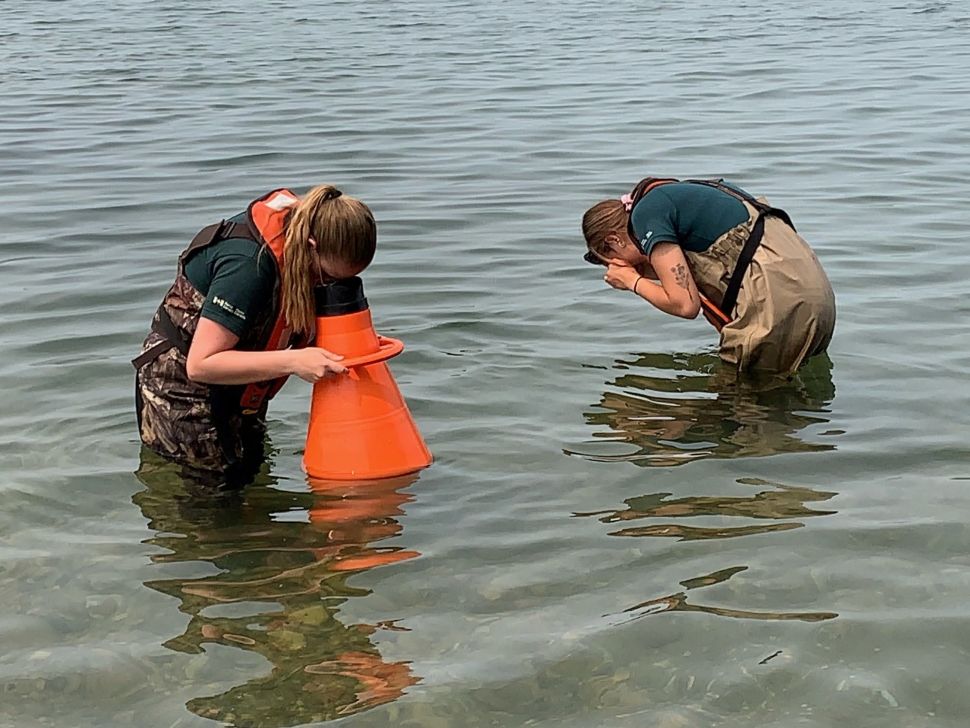
Manitoba Environment and Climate Change has activated its Aquatic Invasive Species Early Detection Rapid Response Plan after zebra mussel larvae were found in Lake of the Prairies, a waterbody shared by Manitoba and Saskatchewan.
The province says zebra mussel veligers, which are the larval stage of the invasive species, were detected through Manitoba’s routine aquatic invasive species surveillance program. Follow-up monitoring confirmed multiple positive samples in the lake.
Related Stories:
Manitoba and Saskatchewan coordinating response
Manitoba and Saskatchewan are working together through a joint incident command structure, with support from Fisheries and Oceans Canada, to coordinate efforts aimed at preventing the spread of zebra mussels.
Officials say the next steps include expanded monitoring to better understand the extent of the detection and developing a multi-jurisdictional containment plan.
Zebra mussels can negatively affect aquatic ecosystems by disrupting food chains, altering water quality, and attaching to boats, docks, and other infrastructure.
Water users urged to take precautions
The province says anyone leaving Lake of the Prairies must decontaminate their boats and water-related equipment before launching in another waterbody.
Manitoba is also reminding people transporting motorized or non-motorized watercraft over land that they must stop at all open watercraft inspection stations along their route.
Officials say inspection stations are located throughout Manitoba to help ensure compliance with aquatic invasive species regulations.
The province says preventing the spread of invasive species requires everyone using Manitoba waterways to properly inspect, clean, and decontaminate their watercraft and equipment.
Current inspection station locations, operating hours, and more information about aquatic invasive species are available through the Manitoba government’s website.