
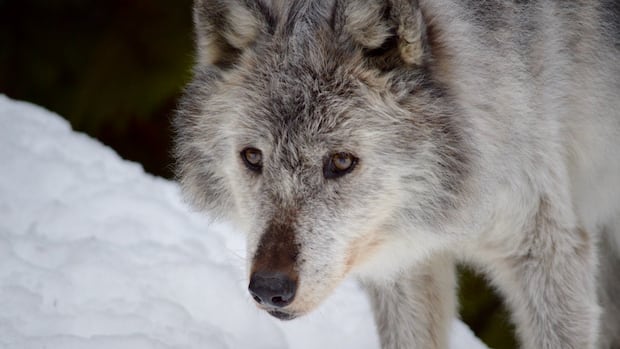
The B.C. government is considering another extension of its controversial wolf cull in efforts to conserve threatened caribou.
Habitat loss and fragmentation, as well as a subsequent increase in predators, are the main reasons for the decline of caribou populations, according to the province.
The wolf cull has been in place since 2015 and is aimed at reversing the decline of caribou populations. Along with predator reduction of wolves and cougars, other initiatives include habitat recovery, maternal penning and supplemental feeding.
After renewing the wolf cull in 2022 for another five years, Water, Land and Resource Stewardship Minister Randene Neill said they are engaging with specific groups, such as First Nations, stakeholders, environmental groups, and non-governmental organizations about another program extension.
“We also know that predator reduction, removing wolves to help save the caribou, is incredibly sensitive,” Neill said, “we wanted to do more targeted engagement from groups that generally represent the public in those areas.”
The province said, as of 2023, there are an estimated 1,500 more caribou in treated herds than there would have been without human intervention. It said monitoring suggests the number has continued to increase since then.
Provincial data shows to date, 2,844 wolves and 51 cougars have been removed as part of caribou recovery actions. It said for the most part bodies and furs are left in place because predator reduction happens in areas that are difficult to access. In some circumstances, it said, carcasses can be retrieved by local First Nations.
“We follow the American Veterinary Medical Association’s guidelines and the standard operating procedures for aerial-based live capture and also lethal removal of wolves in this work,” Neill said.
WATCH | Project examines the wolf cull impact on caribou: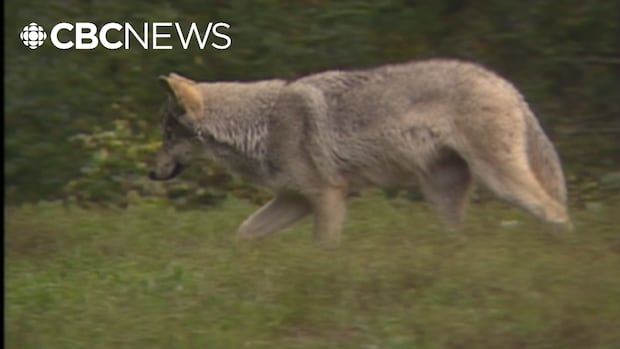
Studying the impacts of large-scale wolf removal in Canada’s north
A collaboration between Indigenous communities, government and academic partners is examining the impact of the wolf cull on B.C. ‘s caribou populations. This comes as the B.C. government is considering restarting the caribou hunt in some parts of the province. The collaboration, known as the Diga Project, is headed up by UNBC associate professor Jamie Gorrell in Prince George, B.C.
Lesley Fox, executive director of wildlife conservation group The Fur-Bearers, is calling on the province to pause the predator reduction program and have it evaluated through an independent third party.
“We’ve been killing wolves for over 10 years now. And there’s a lot of concerns whether or not that is having a significant impact on helping to protect caribou,” Fox said.
“The province makes a lot of assertions about the wolf cull … that it’s humane, that they consult scientists and biologists and work with veterinarians … what we’re looking for is verification that those standards are in fact being met in practice.”
Fox said a third-party audit would also provide greater transparency.
Neill said she is open to third-party oversight.
“My number one concern is that anything that we do, we do incredibly humanely, not just for the caribou but also for the wolves,” she said.
“Choosing one species over another is heartbreaking and challenging and difficult.”
WATCH | A program in central B.C. is providing caribou extra grain to supplement their diets: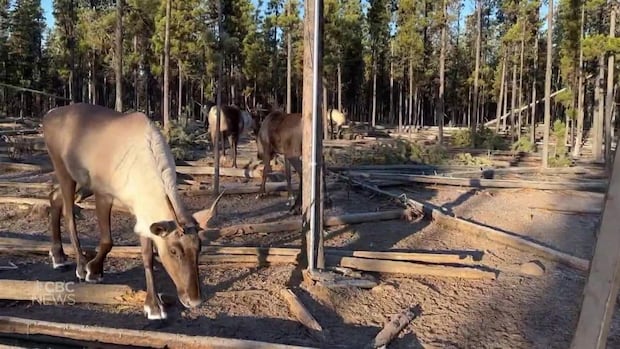
How supplementary feeding is helping B.C.’s caribou population
A unique program in central B.C. is providing caribou in the area with extra grain to supplement their diets. CBC News spoke with Doug Heard of Tithonus Wildlife Research to find out how the program works and how it is helping rebuild the caribou population.
The ministry said predator reduction has been implemented in 15 of B.C.’s 54 woodland caribou herds. Neill said the province didn’t take action in four herds this year because wolf densities were at normal levels and caribou numbers were large enough.
The province said that since 2021 it has expanded the Klinse-za/Twin Sisters Park by around 200,000 hectares, established the more than 50,000-hectare Whitesail Wildlife Habitat area, and protected 1.4 million hectares in northeastern B.C.
Once caribou numbers are up and herds have the ecosystems they need to thrive in, Neill said, the province will no longer engage in predator reduction.
Neill said the province will know if it’s greenlighting the predator reduction program again before the fall.
Habitat restoration could take decades: wildlife scientist
Clayton Lamb, a wildlife scientist at the University of British Columbia, said that while progress is being made on habitat protection and restoration throughout the province, “it’s not perfect for every single herd.”
“And on the flip side, we’re still seeing logging inside critical habitat for other populations.”
A forests ministry spokesperson said any permitting for forest harvesting and road building is guided by recommendations from a variety of professionals, including foresters, geotechnical engineers and biologists, and that advice supports practices and strategies to manage impacts on caribou.
Lamb said that when habitat restoration begins, it could take decades to create the type of habitat caribou need for the animals to be self-sustaining.
“Essentially growing a mature and old-growth forest back. And that is unsolvable except with time,” he said.
“That’s the heart of the issue.”
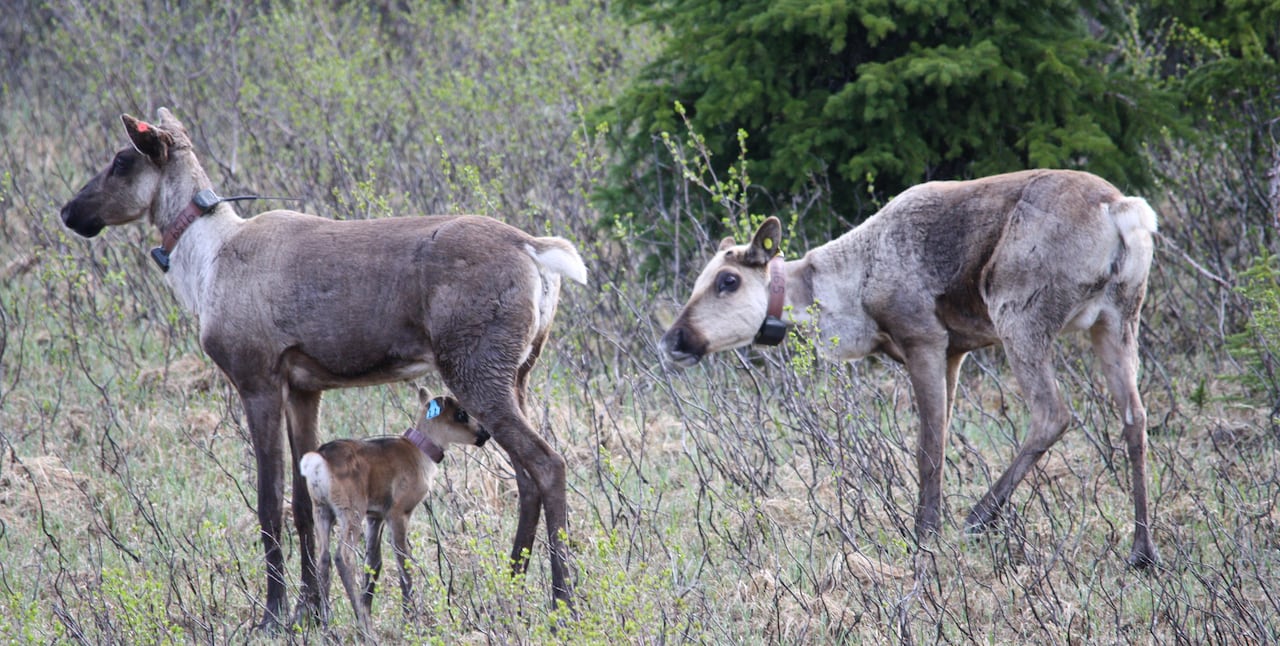 A caribou maternal penning project in northeastern B.C. aims to restore endangered herds. But the study John Rustad cited on social media was actually focused on caribou’s dietary needs. (Wildlife Infometrics)
Lamb said there’s uncertainty around how caribou will respond. There’s less uncertainty, he said, with wolf reduction because evidence has shown it’s improved caribou numbers.
“Research is pretty clear that, at least for the majority of southern mountain caribou populations, that wolves were the primary source of mortality,” Lamb said.
“It also becomes abundantly clear when you reduce wolves, that those caribou populations can grow quite fast.”