

Most Americans don’t eat enough fruit in general, and berries are a great place to start. Research has consistently linked eating berries with a lower risk of heart disease, a better gut microbiome, and improved cognitive health.
“Berries rank among the top foods for total phenolic content and antioxidant capacity, with antioxidant levels reported to be four times higher than many other fruits and 10 times higher than vegetables,” shares Jennifer Pallian, RD.
On top of their impressive antioxidant content berries are a good source of fiber, notes Kylie King, RD. “The fiber supports digestion, steady blood sugar, and satiety, while the antioxidants help counter the oxidative stress tied to aging and chronic disease,” she says. Plus, they taste delicious. “In my practice, especially, berries are one of the easiest swaps I recommend, since they satisfy a craving for something sweet while actually working in your favor.”
Related: This Is the Best Time of Day to Eat Fiber, According to New Research
To a dietitian, though, picking a favorite berry can feel like picking a favorite child. They’re all sweet, juicy, and packed with nutrients that make it hard to choose a top contender. We dug into the research to rank them based on factors like their fiber and antioxidant content, but know that whichever berry you pick for your next snack or oatmeal topping is going to offer significant benefits.
Fresh vs. frozen vs. dried
Berries are generally in season in the summer months, which means better flavor and cost savings if you’re buying fresh. However, frozen berries provide the same nutrients as fresh and are often picked at peak ripeness, so they can be equally delicious in smoothies and beyond. Dried or freeze-dried berries can be a great option as well if you buy ones with little to no added sugar.
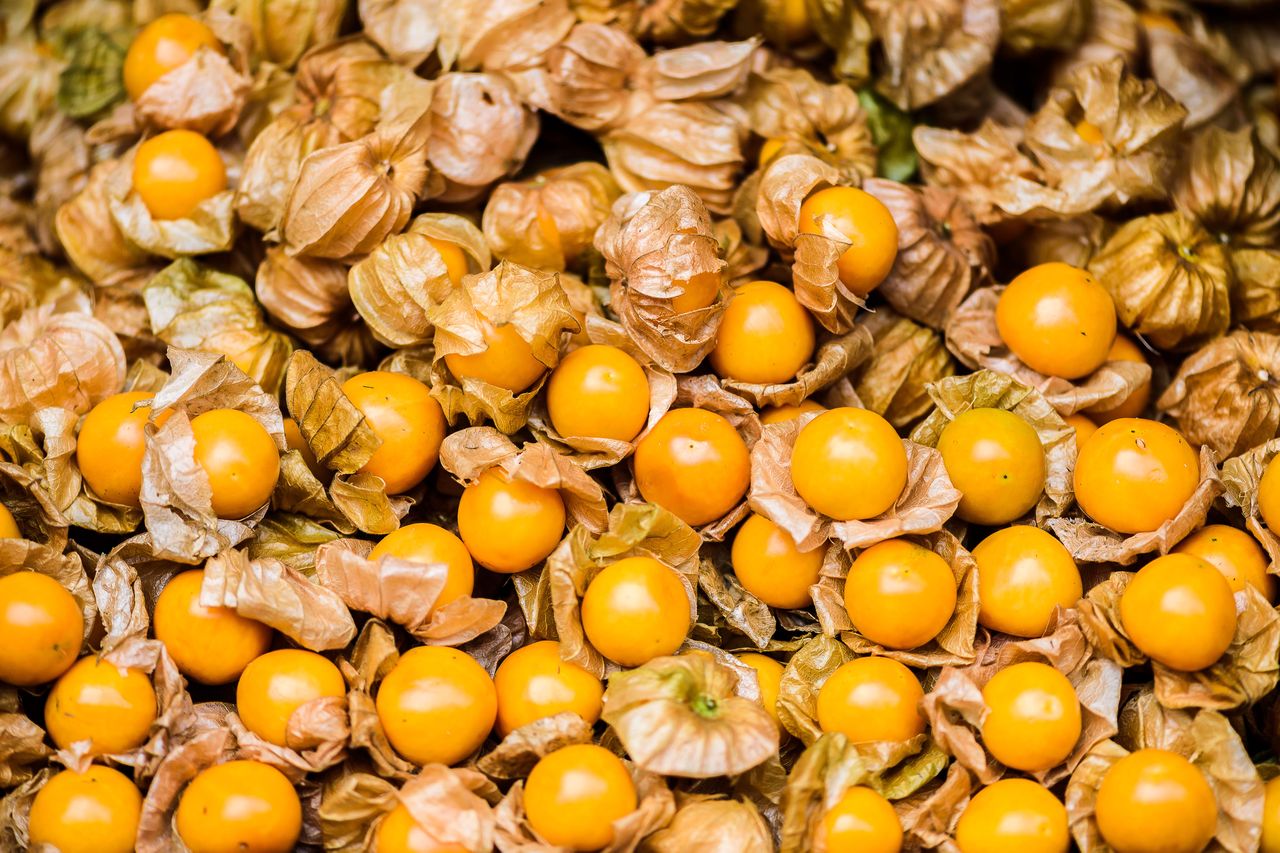
Goldenberries are an excellent source of vitamin C.Credit: nipastock / Getty Images
7. Goldenberries
“Goldenberries (also called Cape gooseberries or ground cherries) are my personal favorite and one I recommend regularly, both fresh and dried,” shares King. “They’re tangy, slightly tropical, and lower in sugar than most berries, with a good amount of fiber, vitamin C, and antioxidants.” A serving of dried goldenberries has about 6 grams of fiber and 9 grams of sugar.
She adds that goldenberries have been studied for their role in regulating blood sugar. Other research has looked at their anti-inflammatory properties and role in reducing oxidative stress in the body.
King recommends the dried berries on their own, in a trail mix, or salad. If you can find the fresh berries, chefs recommend plenty of ways to use them.
Related: The 8 Best Nuts for Your Health, Ranked by Dietitians
6. Goji berries
You won’t typically see fresh goji berries in the produce aisle, but you will spot them dried at most major retailers. “Goji berries are one I love for both taste and benefit,” says King. “They have an earthy, slightly savory-sweet flavor, and they bring antioxidants, fiber, and a surprising amount of plant-based protein for a dried fruit.”
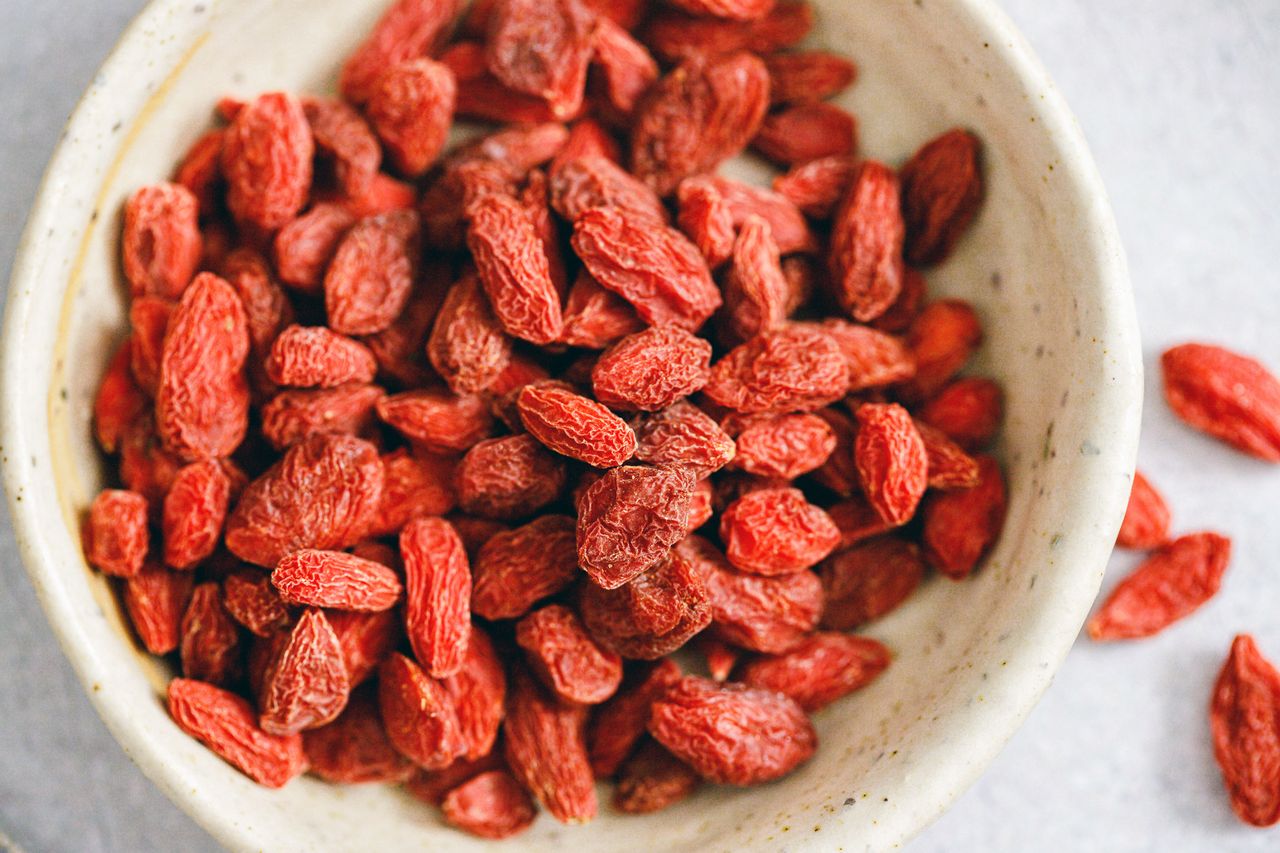
Goji berries have been used for thousands of years in Traditional Chinese Medicine.Credit: alvarez / Getty Images
Goji berries have long been used in Asian countries as a functional food. Research has linked them with increased “good” HDL cholesterol and lower “bad” LDL cholesterol, improved immune system response, decreased waist circumference, and protection against macular degeneration.
King loves them as an oatmeal topping or brewed with tea. You can also plump them to make a stunning sauce for grilled quail.
5. Strawberries
Although strawberries are technically not a botanical berry, they’re often grouped together with berries in the supermarket, and they offer many similar health benefits.
Emma Shelton, RD, loves these sweet-tangy fruits for their vitamin C content. “They are actually a better source of vitamin C than an orange. One cup of strawberries meets 94% of the daily value,” she says, noting that “vitamin C is extremely important for cardiovascular health, immune system function, collagen production, and has anti-inflammatory properties.”
Related: I Tested 7 Ways to Store Strawberries — Only One Kept Them Juicy for 10 Days
In addition to being a vitamin C powerhouse, these juicy red fruits contain polyphenols, linked with gut and heart health. Strawberries are slightly lower in fiber than some of the other berries on this list, with about 3 grams. Still, they can help you reach your fiber goals in, say, a strawberry and edamame salad. And their juicy flavor stars in all kinds of summery desserts.
4. Cranberries
These sweet-tart berries deserve a spot on your table outside of Thanksgiving. Angela Graham, RDN, notes that cranberries are known for urinary tract health and have the research to back it up. “They contain something called A-type proanthocyanidins. These are compounds that reduce the ability of certain bacteria to stick to the urinary tract and reduce the risks of UTIs in many groups,” she says. Beyond the urinary tract, cranberries have been linked with improved heart health, reduced inflammation, lower blood pressure, and lower risk of obesity.
One cup of cranberries has just 4 grams of sugar. Cranberries can taste very bitter without any added sweetness, though, so be mindful of added sugars. Still, Graham appreciates that their tart flavor makes them more versatile in all kinds of recipes. “You can use them in relish, chutney, grain salads, sauces, or compotes,” she notes. Beyond classic cranberry sauce, try these tangy fruits in a Nantucket cranberry pie or add the dried ones to a sweet-savory brown rice salad.
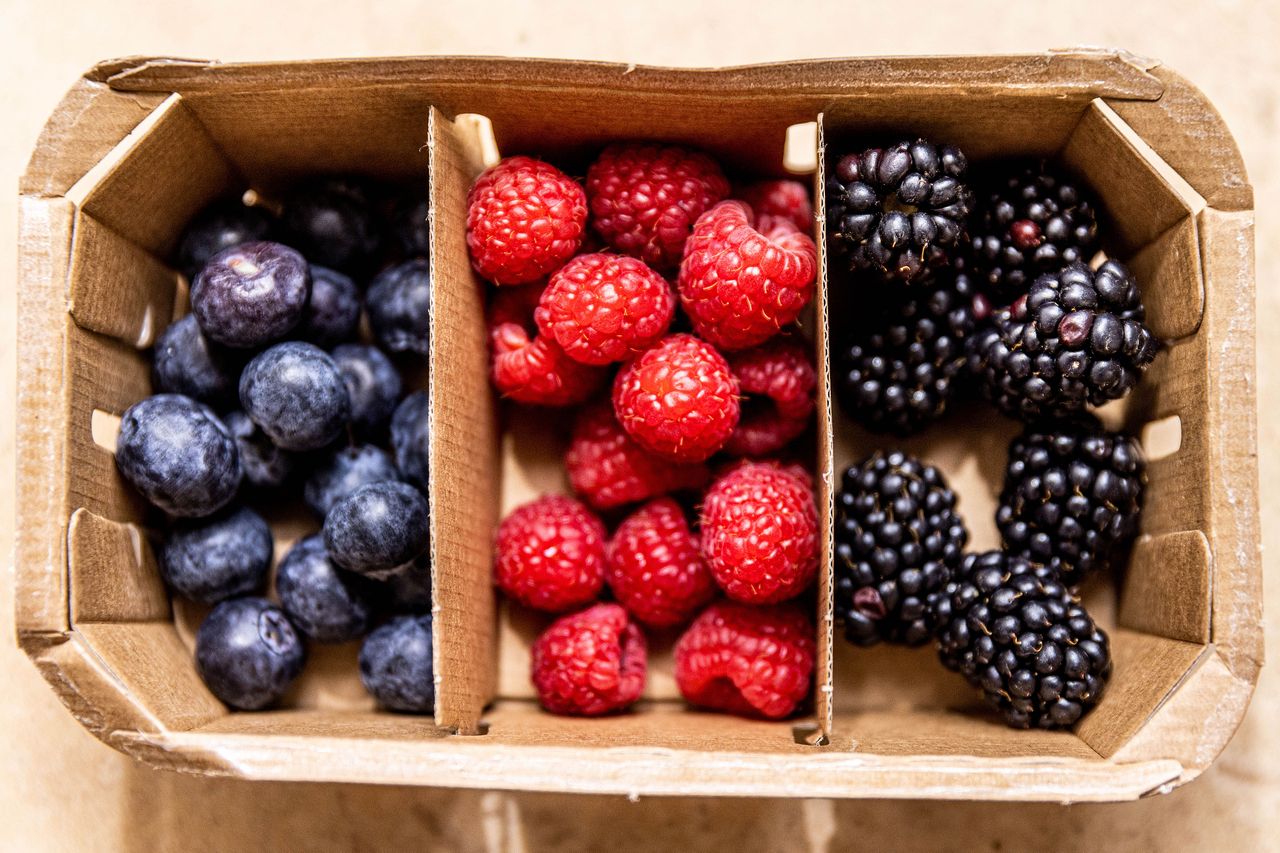
Blueberries, raspberries, and blackberries are all rich in anthocyanins that can help reduce your risk of heart disease.Credit: EMS-FORSTER-PRODUCTIONS / Getty Images
3. Blackberries
These dark, juicy berries delight when baked into pies or muddled into drinks, and their vibrant color means they deliver plenty of nutrition. Their antioxidants can help reduce oxidative stress and inflammation in the body. Blackberries can also help reduce your risk of cancer, heart disease, obesity, and diabetes.
Researchers have also studied blackberries and their effect on neurological diseases, like Parkinson’s and Alzheimer’s. The fruit’s compounds, including anthocyanins, quercetin and caffeic acid, have neuroprotective effects and may help safeguard the brain as it ages.
Related: 24 Berry Desserts That Taste Like Summer at Its Sweetest
Add blackberries to your oatmeal, pickle them for a salad or charcuterie board, or make a smoky and sweet barbecue sauce for short ribs.
2. Raspberries
Raspberries come in many colors and varieties beyond the classic red, including black, purple, and golden. Whatever color you choose, a serving contains almost 30% of the daily value for vitamin C and manganese. “Vitamin C supports immune function, collagen synthesis, antioxidant protection, and iron absorption,” Pallian explains. “Manganese serves as a cofactor for enzymes involved in metabolism, antioxidant defenses, bone formation, and immune function.”
These jewellike berries are impressive for their vitamins and minerals, but their fiber really sets them apart — one cup has 8 grams of fiber, the highest amount on this list. Fiber is key for the heart, digestion, and metabolism. The berries’ polyphenols also have a prebiotic effect, and help your gut bacteria produce short-chain fatty acids that keep your microbiome healthy, support your immune system, and have anti-inflammatory effects. Research has also linked raspberries to reducing metabolic diseases, like heart disease and diabetes, thanks to their antioxidants, including anthocyanins and ellagitannins.
Related: No More Moldy Raspberries — This $8 Tool Keeps Them ‘Fresh for 2 Weeks’
It’s no secret that raspberries are a match made in heaven with chocolate. You can also use them to naturally sweeten a hearty breakfast porridge.
1. Blueberries
Whether you’ve tasted wild blueberries on a hike in Maine, grown a blueberry bush in your backyard, or just brought home a pint from the grocery store, you’ve enjoyed their nutritional benefits. “Blueberries are a nutritious choice because they provide several important nutrients while remaining relatively low in calories,” says Pallian, who notes that they’re particularly rich in vitamins C and K.
Where blueberries really shine is their impressive anthocyanin content. While wild blueberries may be even more nutritious (including higher in fiber), all blueberries are high in anthocyanins, plant compounds that lend the berries their deep violet color and are linked with a lower risk of heart disease, type 2 diabetes, and cognitive decline. Blackberries are also rich sources of anthocyanins, but blueberries generally edge them out.
Related: 16 Blueberry Desserts for Peak Berry Season
Pallian recommends pairing wild or store-bought blueberries with Greek yogurt for an easy high-protein snack, and they’re delightful in a range of recipes. Whether added to a salad or a smoothie, these antioxidant-packed berries overdeliver for their tiny size.
Read the original article on Food & Wine