

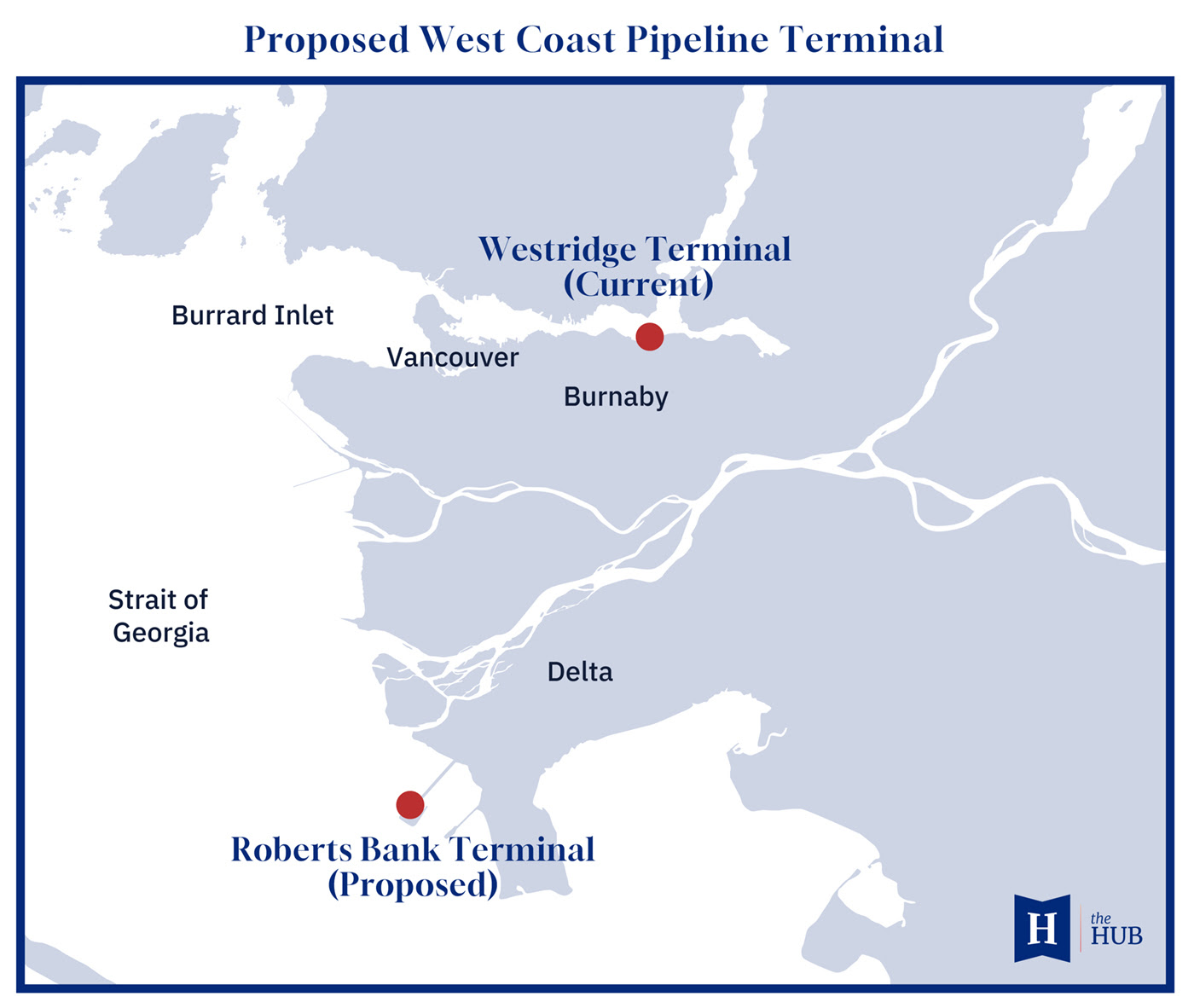
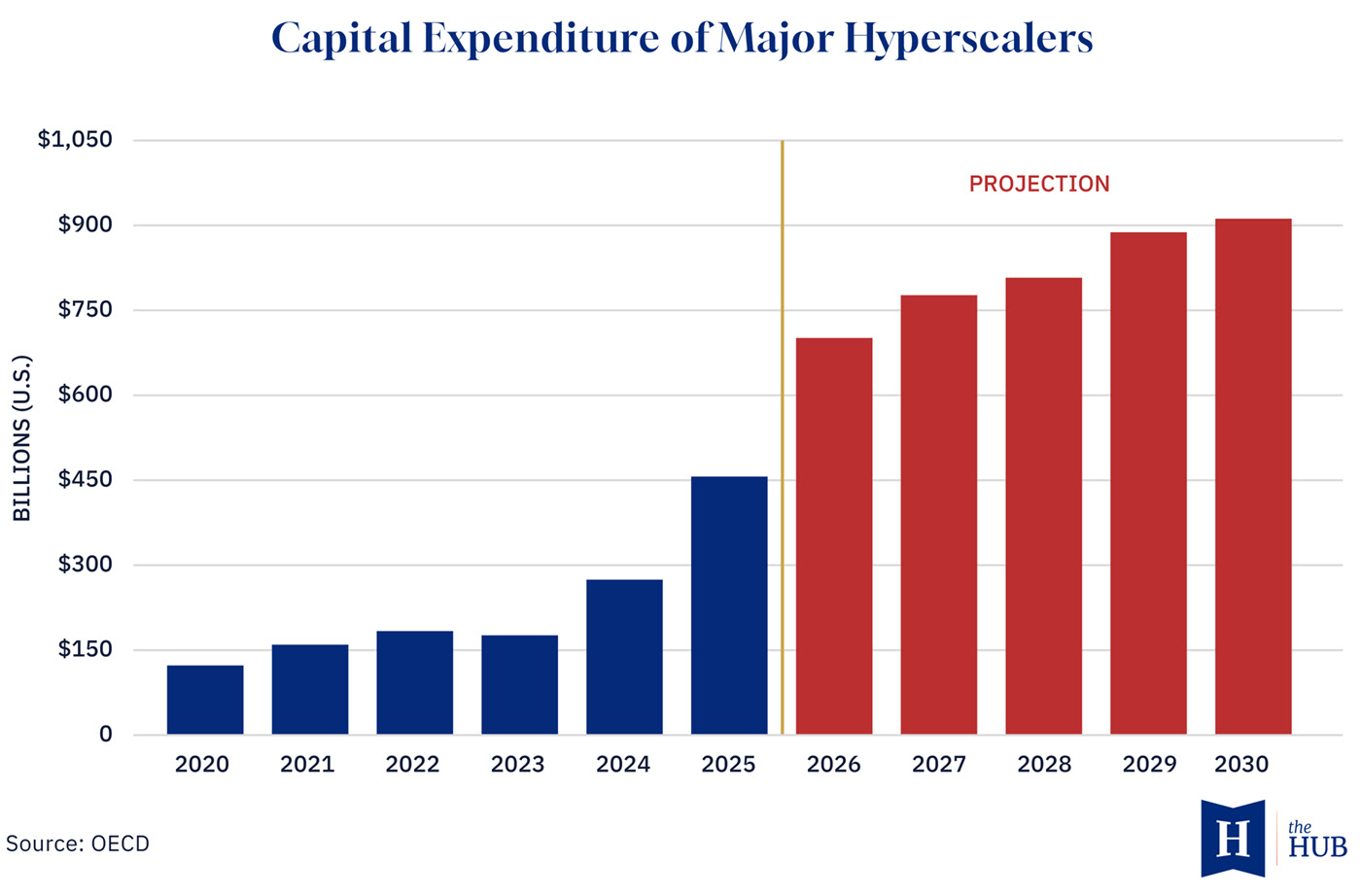
In seven days, Alberta announced two major pipeline proposals, a $4.6-billion natural gas power plant, and a $13-billion Meta investment in what is set to become Canada’s largest data centre. Falice Chin observed that each announcement alone would have counted as a major victory for any premier; together, they mark the week Alberta’s agenda went national. That framing raises a question worth sitting with: why did this happen now, and what does it reveal about where the country’s growth agenda is actually being written?
Part of the answer lies in a change of posture. For years, the province’s message to Ottawa was defensive: stop blocking projects and driving away capital. Premier Danielle Smith has replaced that stance with an affirmative economic case built on abundant energy, faster approvals, and private investment. “Alberta is the ideal North American spot for data centres, thanks to affordable electricity, flexible power generation, a cooler climate, a skilled workforce, and lots of homegrown expertise in AI,” Smith said at the Meta announcement. Energy and technology, in this telling, are complements rather than rivals.
Graphic credit: Janice Nelson
Consider how far the ground has shifted in 18 months. Then, Smith was an isolated figure, labelled a “traitor” for declining to join the united front against U.S. tariff threats. Today, Ontario Premier Doug Ford champions an eastbound pipeline, B.C. Premier David Eby has signalled he won’t contest a second West Coast line, and Prime Minister Mark Carney shares a stage with her. The premiers now speak her language of export infrastructure, market diversification, and economic sovereignty.
The federal record invites a harder look. The Major Projects Office’s own published tranches list $116 billion in “nation-building” projects, yet the fast-track designation powers written into the text of Bill C-5 remain entirely unused, and oil infrastructure—Canada’s largest export commodity—appears on neither list. A curious pattern emerges from those documents: the office has functioned as a financing conduit for projects the private sector wouldn’t advance alone, while the sector that needs no public money, only regulatory certainty, waits. Alberta’s week tested the opposite proposition—that private capital arrives when conditions are right—and the proposition held.
Graphic credit: Janice Nelson
Set the numbers side by side, and the asymmetry sharpens. Selling oil to a single American buyer at a discount has cost roughly $49 billion USD over 15 years—call it $3.3 billion a year. An additional 1.5 million barrels per day reaching tidewater represents roughly $31 billion in annual GDP, a structural gain of roughly 1 percent of national GDP. The status quo, in other words, is not merely bleeding value; the foregone GDP is roughly seven times what the discount itself costs each year. Little wonder Alberta’s flirtation with a separation referendum has transformed pipelines from an economic file into the central project of national unity.
Carney deserves credit for changing the federal channel, but the substance of this week belonged to Smith, who has spent her career arguing that capital flows to jurisdictions that welcome it. On the current trajectory, it appears investment decisions of national consequence will increasingly be made in Edmonton and Calgary and ratified, after the fact, in Ottawa. This week suggests that process is already well underway.
Premier Danielle Smith’s proactive approach emphasizes Alberta’s strengths in energy and technology, positioning the province as a key player in Canada’s growth agenda. This transformation reflects a broader acceptance among other provincial leaders of Alberta’s vision for economic sovereignty and infrastructure development. The article highlights the need for regulatory certainty to attract private capital, suggesting that future investment decisions may increasingly originate in Alberta rather than Ottawa.