
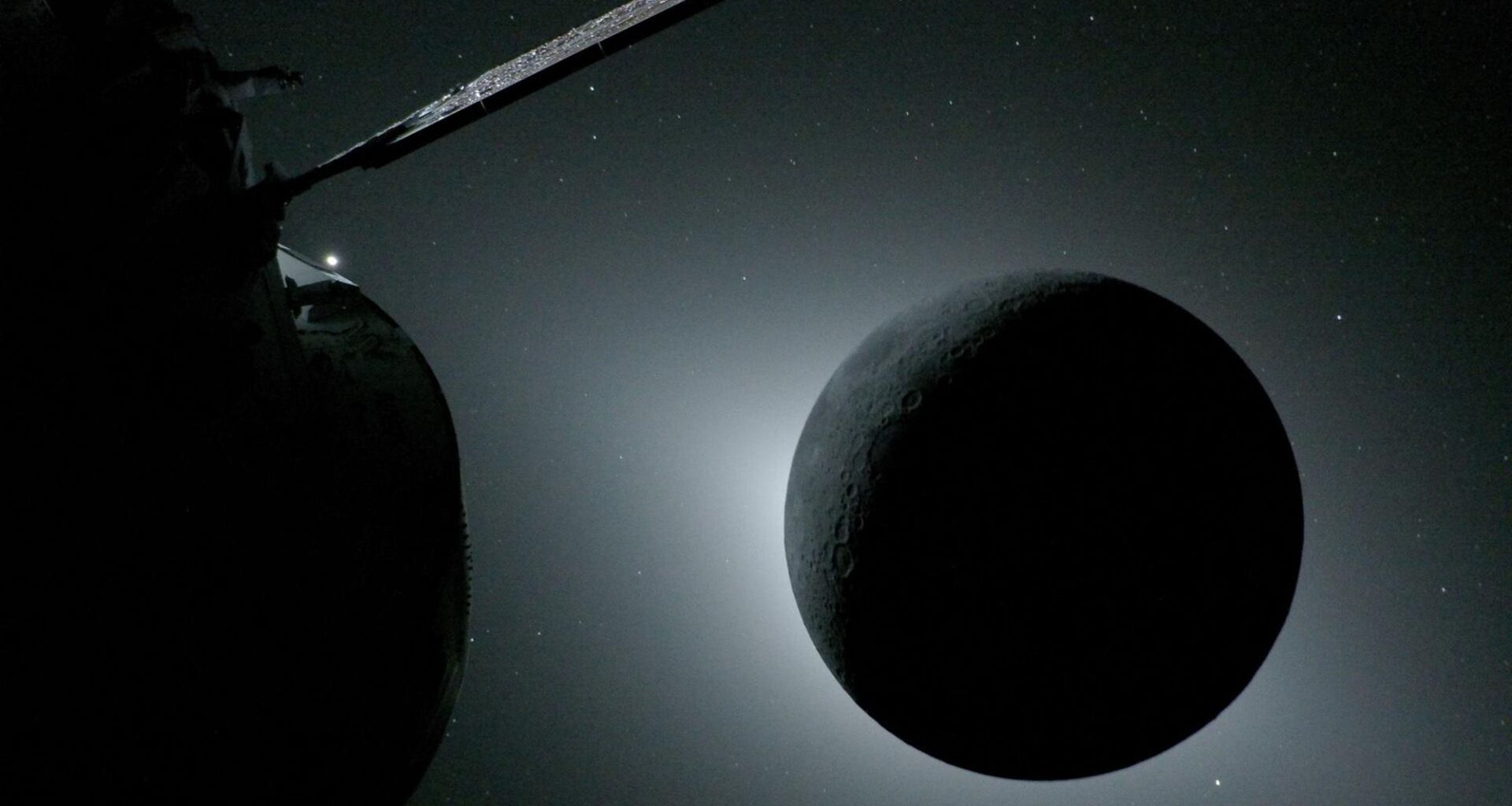
On April 6, the four crewmembers of NASA‘s Artemis II mission swooped around the far side of the moon in their Orion spacecraft, disappearing from Earth’s sight and losing all contact with humanity for roughly 40 minutes.
At the same time, some 250,000 miles (400,000 kilometers) away, Chris White, the mission’s lead communications officer, was nervously pacing the halls of NASA’s Mission Control Center in Houston, waiting for the chance to do his job again.
You may like

Artemis II Lead INCO Chris White (right) and INCO Flight Controller Matthew Johns (left) in the White Flight Control Room at NASA’s Mission Control Center in Houston on April 6. On the monitor behind, the Orion spacecraft approaches the moon for its close flyby.
(Image credit: NASA/Robert Markowitz)
During liftoff, I looked up from my console screen zero times to look at the live video.
What to read next

A view from cameras on board the Orion spacecraft as the solid rocket boosters are jettisoned several minutes after liftoff.
(Image credit: NASA)
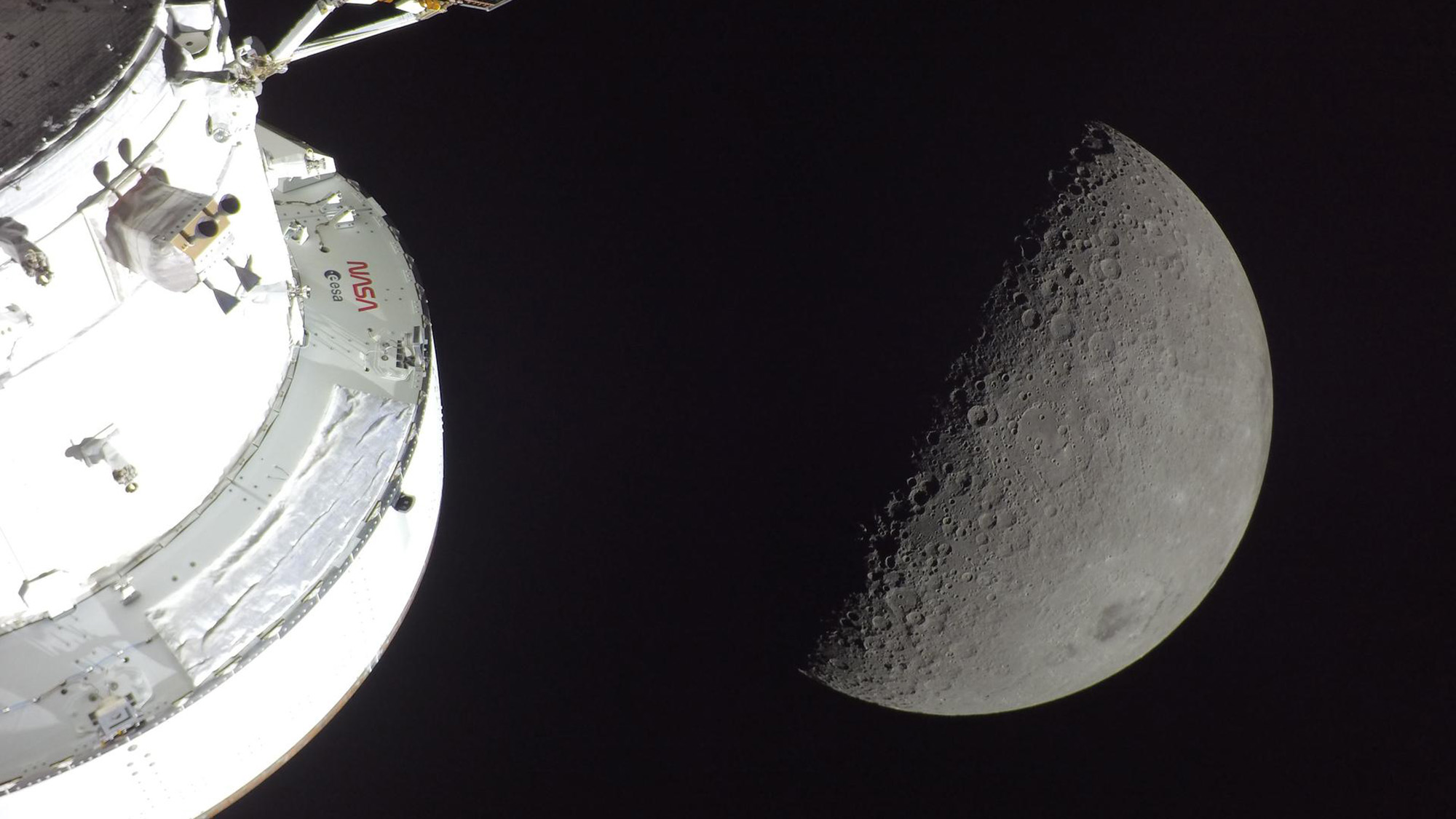
The Orion spacecraft approaches the moon during its close flyby. “The moon looked wrong” from this unusual angle, White said.
(Image credit: NASA)
My brain hurt trying to reconcile what I was seeing.
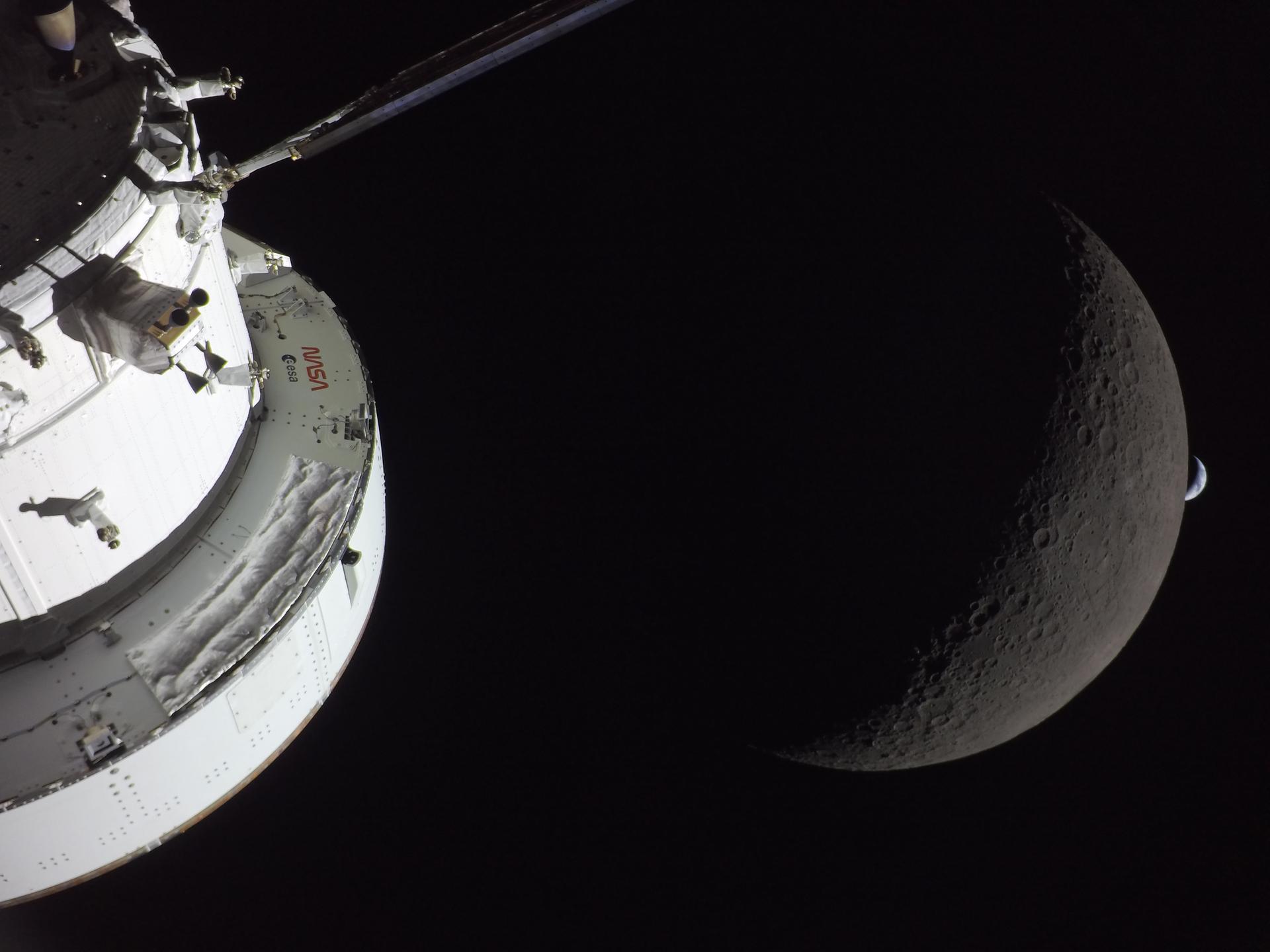
Orion’s cameras capture Earthset — the surreal moment when a crescent Earth disappears beyond the moon’s horizon.
(Image credit: NASA)
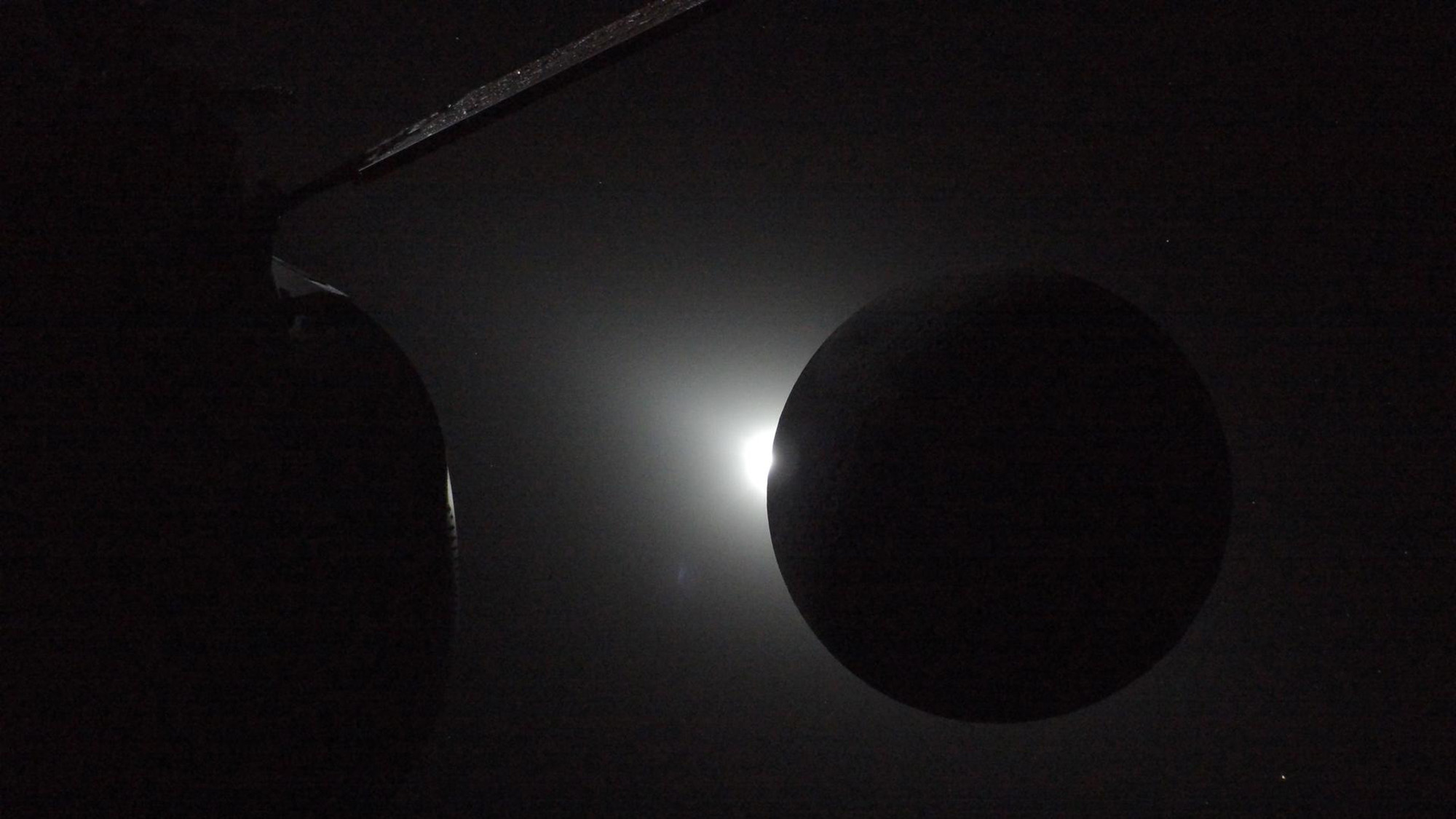
The Orion crew experienced a total solar eclipse while orbiting behind the moon. The spacecraft cameras capture the first hint of sunlight bleeding into view again as the capsule begins to reemerge.
(Image credit: NASA)