
By Devin Stevens
The Canadian Press
Posted July 14, 2026 12:25 pm
1 min read
Descrease article font size
Increase article font size
Federal researchers want to know where dead seabirds off the coast of Nova Scotia are most likely to wash up, and they’re using a low-tech solution to find out: driftwood.

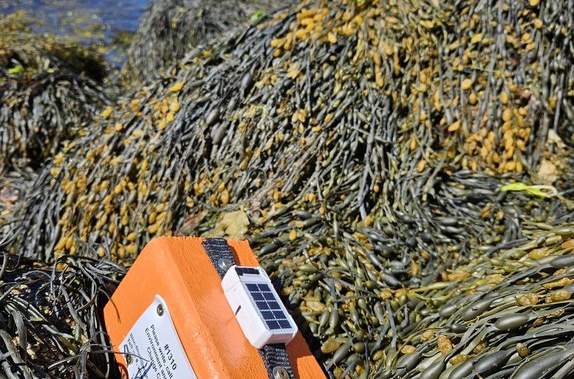
Environment and Climate Change Canada has dropped about 600 wooden blocks in the waters between Halifax and Sable Island and off the north coast of Cape Breton.

Get breaking National news
Get breaking Canada news delivered to your inbox as it happens so you won’t miss a trending story.
Painted bright orange and affixed with contact information, the blocks are essentially standing in for bird carcasses and a few of them have GPS trackers.
Researchers are asking birders and beachcombers who find them to call with the date and location.
More on Environment
More videos
They will use data about where the blocks ended up to build computerized tools helping to predict where in the ocean bird die-offs are happening when their bodies wash ashore.
That will help officials respond to outbreaks of disease such as avian flu, or to man-made problems, such as oil spills.
© 2026 The Canadian Press