
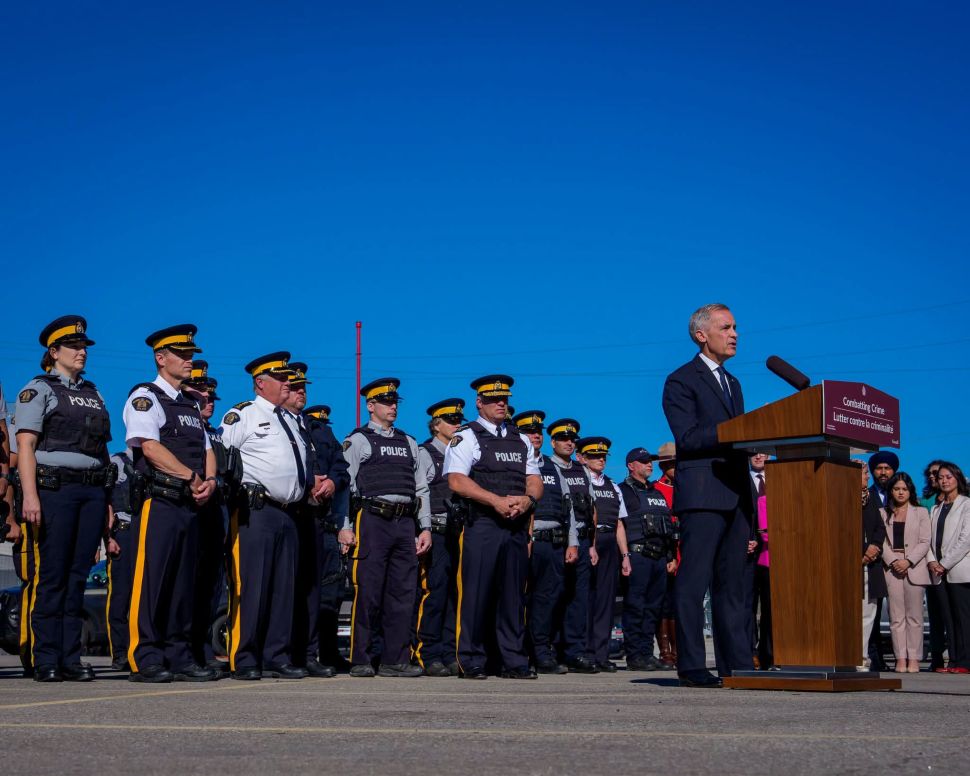
The federal government says new legislation will make it harder for accused repeat violent offenders to obtain bail while introducing tougher sentencing measures for certain serious crimes.
Most provisions of the federal government’s Bail and Sentencing Reform Act, known as Bill C-14, officially came into force on July 15, bringing significant changes to Canada’s bail and sentencing laws.
The federal government says the legislation is intended to strengthen public safety by making bail more difficult to obtain for some accused offenders while increasing penalties for repeat violent crime, organized crime, and other serious offences.
What you need to know
Bill C-14 expands the reverse onus bail for several serious offences.
It targets offences including violent repeat crime, organized crime, home invasions, auto theft, extortion, human trafficking and some firearms offences.
The law also introduces tougher sentencing measures and further limits conditional sentences, commonly known as house arrest, for certain offences.
Stricter bail rules
One of the biggest changes is the expansion of reverse onus bail provisions. In these cases, the accused must convince a judge why they should be released before trial, rather than prosecutors having to prove they should remain in custody.
Judges must also place greater emphasis on an accused person’s criminal history, previous violent offences, and the risk of reoffending when making bail decisions.
Related Stories:
Tougher sentences and mixed reaction
The legislation also increases sentencing options for repeat violent offenders and organized crime while further restricting the use of conditional sentences for several serious offences.
Federal officials say the reforms respond to calls from provinces, police services, and victims’ groups for stronger public safety measures.
However, some civil liberties organizations and criminal defence lawyers argue the changes could result in more people being held in custody before trial and may face future Charter challenges.
What it means for Saskatchewan
The changes could affect bail hearings involving repeat violent offenders and those charged with organized crime, firearms offences, and other serious crimes in Saskatchewan.
While the new law raises the threshold for release in certain cases, judges will continue to decide each application based on the evidence and circumstances before the court.
Looking ahead
Most of Bill C-14 is now in force, although some provisions affecting the Youth Criminal Justice Act will take effect at a later date.
The long-term impact of the reforms on crime rates, court proceedings, and public safety will become clearer as the legislation is applied across Canada’s justice system.