
The MPAA has long been a barrier for filmmakers because of the restrictions that it puts on content. While the sunsetting of the “Hays Code” from the Golden Age of Hollywood seemingly offered filmmakers newfound freedom to include more objectionable material, the new ratings system made it challenging for anything particularly explicit to be marketed. Even though the “X” rating was replaced by the “NC-17” rating in 1990, there are still significant restrictions on what films can do if they earn that high of a rating.
NC-17 films cannot be advertised in the same way and are rarely released in a major capacity, but that doesn’t mean that they don’t have artistic value. While there has not been a major NC-17 released since Andrew Dominik’s biopic Blonde hit Netflix in 2022, there are several classics that received the rating and are worth heralding as pivotal moments in cinematic history.
10
‘Lust, Caution’ (2007)
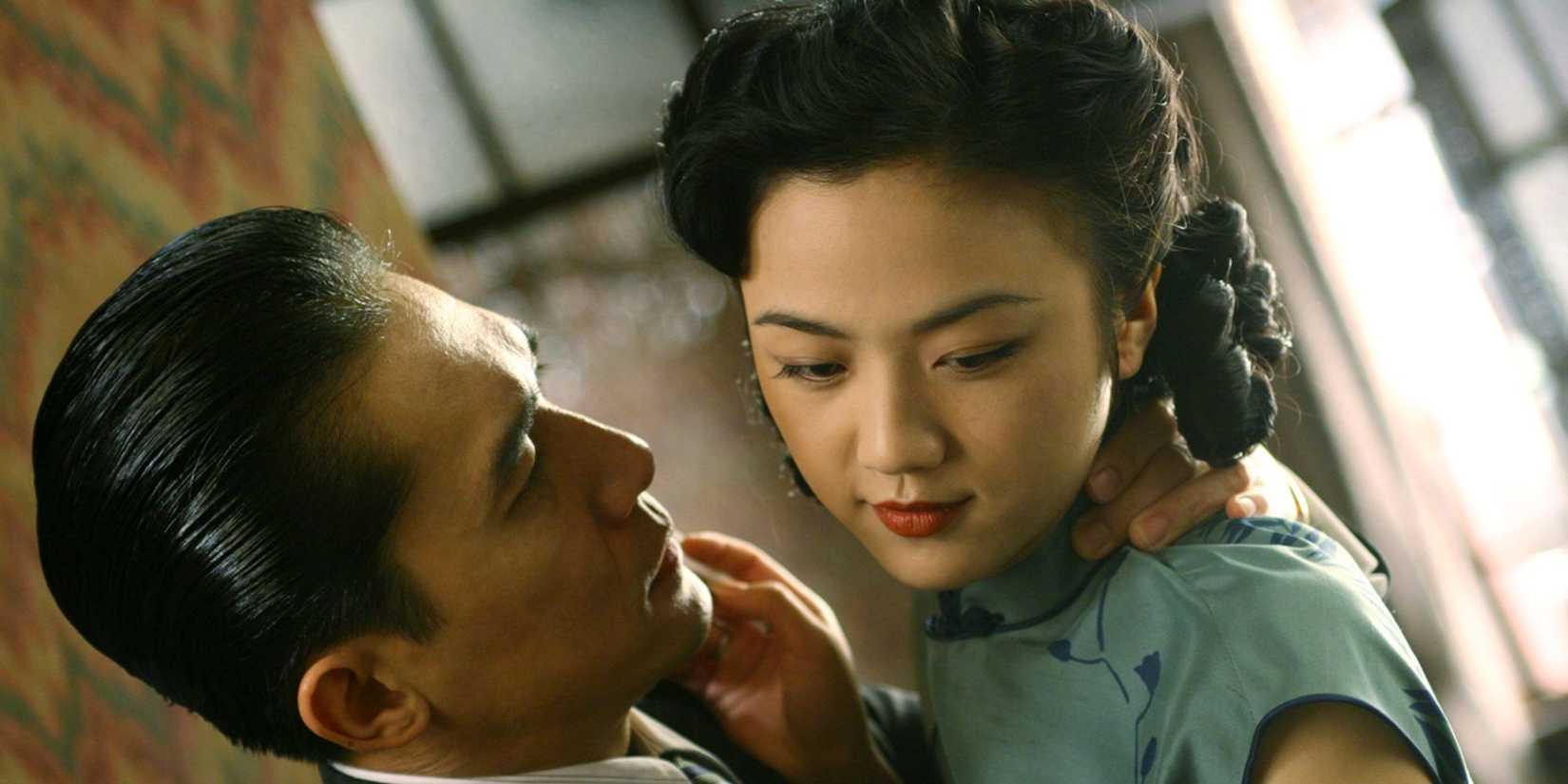
Tony Leung as Mr. Yee Wong looking at Tang Wei as Chia Chi in Lust, Caution.Image via Focus Features
Lust, Caution is a subversive World War II thriller from Ang Lee, a filmmaker who has seemingly tackled every genre with enthusiasm and agility. While it is hardly the first film to explore espionage operations during the fight to take down the Axis Powers, Lust, Caution provoked controversy with its graphic sex scenes between Chinese spies and the Japanese officials that they were targeting. While Tony Leung was already a highly believed actor, Lust, Caution challenged his charismatic persona by casting him in an entirely different light.
Lust, Caution resulted in a tremendous amount of uproar, but Lee was such a respected filmmaker that it still got a worthwhile release. To date, it is the highest-grossing film ever released with an NC-17 rating, even if its explicit content may have cost it the chance to meaningfully contend for the Academy Award for Best International Feature.
9
‘Shame’ (2011)
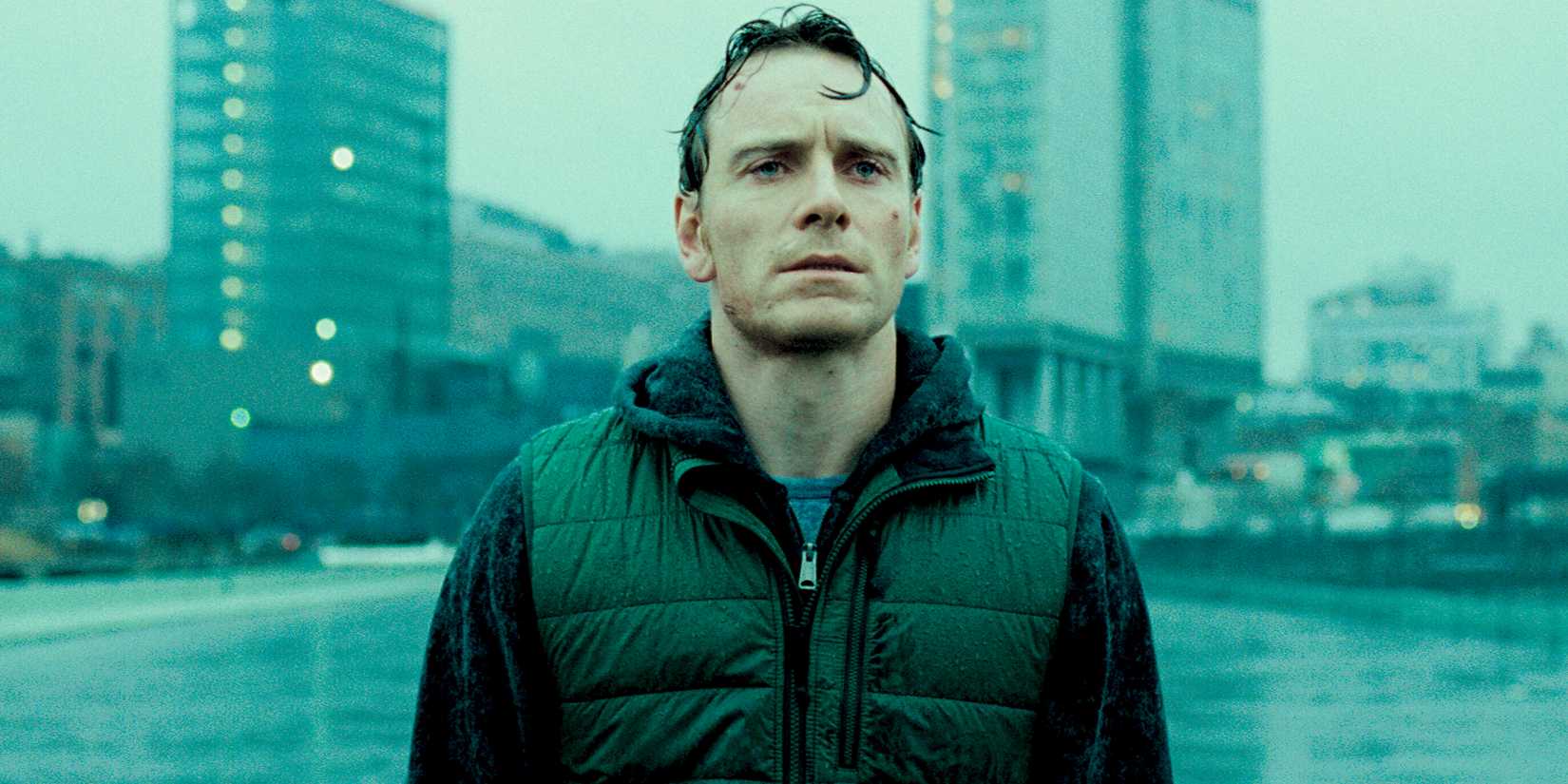
Image via Fox Searchlight Pictures
Shame is the second of three collaborations between director Steven McQueen and Michael Fassbender, who previously made the prison drama Shame before working on the Best Picture winner 12 Years a Slave. While sexual addiction is an issue that has been subjected to significant discourse and scandalization, McQueen takes an earnest look at mental illness that features one of Fassbender’s most heartbreaking performances ever.
Shame is not a film that glamorizes sexual intimacy, as its sex scenes are quite harrowing. While the film’s boldness made it polarizing, as McQueen has never been a filmmaker who has shied away from controversial issues, it did stand out as a bold statement during a time in which moviegoers seemed to reject more explicit films. Fassbender is an actor who has always been fearless, and it’s hard to imagine any other leading man taking on his role.
8
‘Killer Joe’ (2012)
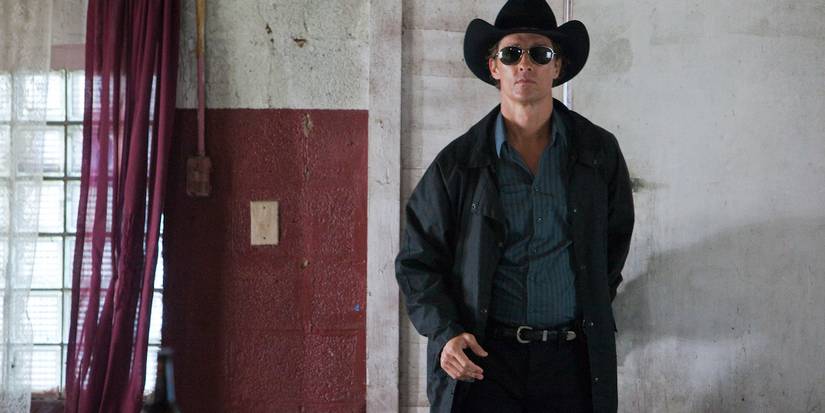
Matthew McConaughey in Killer JoeImage via LD Entertainment
Killer Joe is the second time that William Friedkin directed an adaptation of a Tracy Letts stageplay, and its perhaps even more disturbing and darkly hilarious than Bug. Killer Joe follows a penniless drug addict (Emile Hirsch) who hires a hitman (Matthew McConaughey) to kill his mother so that he can receive her fortune, only to discover that he also wants his sister (Juno Temple) as a “reward.”
Killer Joe is a transgressive neo-Western that shows the lasting impacts on the financial crisis as it forces morally degraded characters to act even more inhumanely. The key to enjoying Killer Joe is accepting that nearly every character in the film is loathsome in one way or another, and that they eventually get what they deserve as a result of their arrogance. It also helped to kickstart the “McConaughiassance” before he experienced his major comeback in 2013.
7
‘Bad Education’ (2004)

Image via Warner Sogefilms
Bad Education isn’t the first NC-17 rated film directed by the great Pedro Almodovar, but it was a much bigger hit than many of his previous works; the film benefitted from the remarkable star power of Gael Garcia Bernal, and managed to become the highest-grossing NC-17 release of all-time until it was surpassed five years later by Lust, Caution.
Bad Education is a twisty erotic drama that has a lot to say about the nature of fluid sexual identity, the rampant abuses committed by the Catholic Church, and the way that cinematic media can serve as a coping device. Although Almodovar is an inherently provocative filmmaker who enjoys getting to push his audiences outside of their comfort zones, Bad Education dealt with material that was so grave that it wouldn’t have been appropriate for it not to be given an NC-17 rating.
6
‘Bad Lieutenant’ (1992)
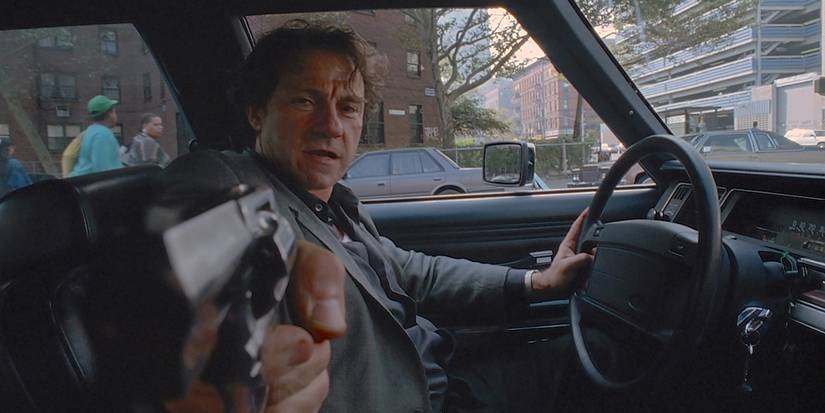
Image via Aries Films
Bad Lieutenant is a highly disturbing crime thriller from Abel Ferrara that centers on a self-destructive anti-hero cop, played by Harvey Keitel in one of his most brilliant performances ever. The shocking violence, colorful language, sexual content, and depiction of drug abuse made it impossible for the film to be rated R; despite the backlash that it received from film critics, political censors, and religious protestors, Bad Lieutenant earned a glowing review from Roger Ebert and was praised by Martin Scorsese as being one of the best films of the decade.
Bad Lieutenant does not allow its viewer to passively buy into the charisma of its protagonist without accepting his inherent nature, which distinguished it among other anti-hero films. In many ways, the film’s nuanced depiction of rampant corruption within law enforcement made it ahead of its time in the ‘90s.
Collider Exclusive · Oscar Best Picture Quiz
Which Oscar Best Picture
Is Your Perfect Movie?
Parasite · Everything Everywhere · Oppenheimer · Birdman · No Country
Five Oscar Best Picture winners. Five completely different visions of what cinema can be — and what it can do to you. One of them is the film that was made for the way your mind works. Ten questions will figure out which one.
🪜Parasite
🌀Everything Everywhere
☢️Oppenheimer
🐦Birdman
🪙No Country for Old Men
FIND YOUR FILM →
01
What kind of film experience do you actually want?
The best movies don’t just entertain — they leave something behind.
ASomething that pulls the rug out — that makes me think I’m watching one kind of film and then reveals I’m watching another entirely.
BSomething overwhelming — funny, sad, absurd, and genuinely moving, all at once.
CSomething grand and weighty — a film that makes me feel the full scale of what I’m watching.
DSomething formally daring — a film that pushes what cinema can even do.
ESomething lean and relentless — pure tension with no wasted frame.
NEXT QUESTION →
02
Which idea grabs you most in a film?
Great films are driven by a central obsession. What’s yours?
AClass, inequality, and what people are willing to do when desperation meets opportunity.
BIdentity, family, and the chaos of trying to hold your life together when everything is falling apart.
CGenius, moral responsibility, and the catastrophic weight of a decision you can never take back.
DEgo, legacy, and the terror of becoming irrelevant while you’re still alive to watch it happen.
EEvil, chance, and whether moral order actually exists or if we just tell ourselves it does.
NEXT QUESTION →
03
How do you like your story told?
Form is content. The way a story is shaped changes what it means.
AGenre-twisting — I want it to start in one lane and migrate into something completely different.
BMaximalist and genre-blending — comedy, action, drama, sci-fi, all in one ride.
CEpic and non-linear — cutting between timelines, building a mosaic of cause and consequence.
DA single unbroken flow — I want to feel like I’m living it in real time, no cuts to safety.
ESpare and precise — every scene doing exactly what it needs to do and nothing more.
NEXT QUESTION →
04
What makes a truly great antagonist?
The opposition defines the protagonist. What kind of opposition fascinates you?
AA system — invisible, structural, and almost impossible to fight because it has no single face.
BThe self — the ways we sabotage, abandon, and fail the people we love most.
CHistory — the unstoppable momentum of events that no single person can stop or redirect.
DThe industry — the machinery of culture that chews up talent and spits out irrelevance.
EPure, implacable evil — a force so certain of itself it becomes almost philosophical.
NEXT QUESTION →
05
What do you want from a film’s ending?
The final note is the one that lingers. What do you want it to sound like?
AShock and inevitability — a conclusion that recontextualises everything that came before it.
BEarned emotion — I want to cry, laugh, and feel genuinely hopeful, even if the world is a mess.
CDevastation and grandeur — an ending that makes me sit in silence for a few minutes after.
DAmbiguity — something that leaves enough open that I’m still thinking about it days later.
EBleakness — an honest refusal to pretend the world is tidier than it actually is.
NEXT QUESTION →
06
Which setting pulls you in most?
Where a film takes place shapes everything — mood, stakes, what’s even possible.
AA gleaming modern city with a hidden underside — beauty masking rot, wealth masking desperation.
BA collapsing suburban life that opens onto something infinite — the multiverse of a single ordinary person.
CThe corridors of power and science at a world-historical turning point — where decisions echo for decades.
DThe grimy, alive chaos of New York and Hollywood — fame as both destination and trap.
EVast, indifferent landscape — desert and highway where violence arrives without warning or reason.
NEXT QUESTION →
07
What cinematic craft impresses you most?
Every great film has a signature — a technical or artistic element that makes it unmistakable.
AProduction design and mise-en-scène — every frame composed to carry meaning beneath the surface.
BEditing and tonal control — the ability to move between registers without losing the audience.
CScore and sound design — music that becomes inseparable from the dread and awe of what you’re watching.
DCinematography as performance — the camera not recording events but participating in them.
ESilence and restraint — what’s left unsaid and unshown doing more work than any dialogue could.
NEXT QUESTION →
08
What kind of main character do you root for?
The protagonist is the lens. Who you choose to follow says something about you.
ASomeone smart and resourceful who makes increasingly dangerous decisions under pressure.
BSomeone overwhelmed and ordinary who turns out to be capable of something extraordinary.
CA brilliant, tortured figure whose gifts and flaws are inseparable from each other.
DA self-destructive artist whose ego is both their superpower and their undoing.
EA quiet, principled person trying to make sense of a world that has stopped making sense.
NEXT QUESTION →
09
How do you feel about a film that takes its time?
Pace is a choice. Some films sprint; others let tension accumulate slowly, deliberately.
AI love a slow build when I know the payoff is going to be seismic — patience for a devastating reveal.
BGive me relentless momentum — I want to feel breathless and emotionally spent by the end.
CEpic runtime doesn’t scare me — if the material demands three hours, give me three hours.
DI want it to feel propulsive even when nothing is technically happening — restless energy throughout.
EDeliberate and unhurried — I want dread to accumulate in the spaces between the action.
NEXT QUESTION →
10
What do you want to feel walking out of the cinema?
The best films leave a mark. What kind of mark do you want?
AUnsettled — like I’ve just seen something I can’t fully explain but can’t stop thinking about.
BMoved and energised — like the film reminded me what actually matters and gave me something to hold onto.
CHumbled — like I’ve been in the presence of something genuinely important and overwhelming.
DExhilarated — like I’ve just seen cinema doing something it’s never quite done before.
EHaunted — like a cold, quiet dread that stays with me for days.
REVEAL MY FILM →
The Academy Has Decided
Your Perfect Film Is…
Your answers have pointed to one Oscar Best Picture winner above all others. This is the film that was made for the way your mind works.
Parasite
You are drawn to films that operate on multiple levels simultaneously — that begin in one genre and quietly, brilliantly migrate into another. Bong Joon-ho’s Parasite is a film about class, desire, and the architecture of inequality that manages to be darkly funny, deeply suspenseful, and genuinely shocking across a single extraordinary running time. Your instinct is for cinema that hides its true intentions until the moment it’s ready to reveal them. Parasite is exactly that — a film that rewards close attention and punishes assumptions, right up to its devastating final image.
Everything Everywhere All at Once
You want it all — and this film gives you all of it. The Daniels’ Everything Everywhere All at Once is one of the most maximalist films ever made: action comedy, multiverse sci-fi, family drama, existential crisis, and a genuinely earned emotional core that sneaks up on you amid the chaos. You are someone who responds to ambition, who doesn’t want cinema to choose between being entertaining and being meaningful. This film refuses that choice entirely. It is overwhelming by design, and its overwhelming nature is precisely the point — because the feeling of being crushed by infinite possibility is exactly what it’s about.
Oppenheimer
You are drawn to cinema on a grand scale — films that understand history not as a backdrop but as a force, and that place their characters inside that force and watch what happens. Christopher Nolan’s Oppenheimer is a film about the terrifying gap between what we can do and what we should do, told with the full weight of one of the most consequential moments in human history behind it. You want your films to feel important without feeling self-important — to earn their ambition through sheer craft and the gravity of their subject. Oppenheimer does exactly that. It is enormous, complicated, and refuses easy comfort.
Birdman
You are drawn to films that foreground their own construction — that make the how of the filmmaking part of the what it’s about. Alejandro González Iñárritu’s Birdman, shot to appear as a single continuous take, is cinema examining itself through the cracked mirror of a fading actor’s ego. You respond to formal daring, to the feeling that a film is doing something that probably shouldn’t be possible. Michael Keaton’s performance and Emmanuel Lubezki’s restless camera create something genuinely unlike anything else — a film that is simultaneously about creativity, relevance, self-destruction, and the impossibility of ever truly knowing if your work means anything at all.
No Country for Old Men
You are drawn to cinema that trusts silence, that refuses to explain itself, and that treats dread as a form of meaning. The Coen Brothers’ No Country for Old Men is a film about the arrival of a new kind of evil — implacable, arbitrary, and utterly indifferent to the moral frameworks we use to make sense of the world. It is one of the most formally controlled films ever made, and its controlled restraint is what makes it so terrifying. You want your films to haunt you, not comfort you. You are not interested in resolution if resolution would be dishonest. No Country for Old Men is honest in a way that most cinema never dares to be.
↻ RETAKE THE QUIZ
5
‘The Evil Dead’ (1981)
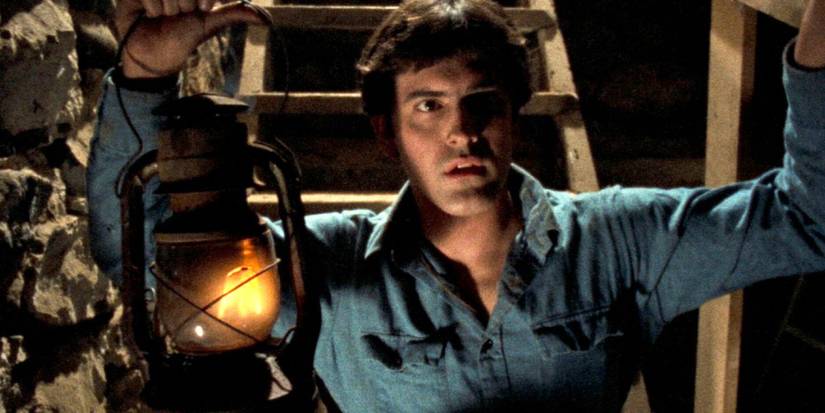
A person holds a lamp in a dark cellar and looks wary in The Evil Dead.Image via New Line Cinema
The Evil Dead marked the beginning of one of the greatest horror franchises of all-time, as Sam Raimi worked on a miniscule independent budget to make a handcrafted, terrifying new take on the “splatter” subgenre. Although it is often that films backed by studios can lobby the MPAA in order to give them a more attractive rating, Raimi did not have the power to do so in 1981, and had to accept the NC-17.
The Evil Dead became an object of cult fascination by horror buffs and succeeded in growing a large fanbase, ensuring that Evil Dead II could be a sizable hit. While there is a debate among fans of the franchise as to which installment is the best, the original The Evil Dead is certainly the scariest and most brutal, as it didn’t have the same sense of campy goofiness that added humor to the later entries.
4
‘Last Tango in Paris’ (1972)
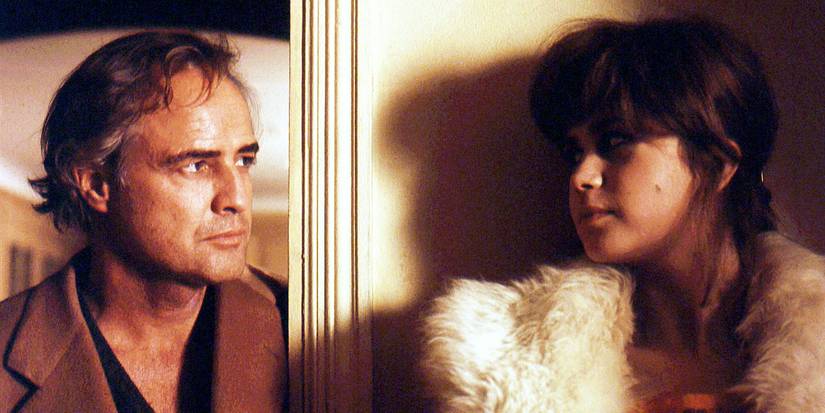
the two lovers look at one another in a hotel room, against the door in Last Tango in ParisImage via United Artists
Last Tango in Paris is a bonafide classic that was considered highly controversial at the time of its release because it existed before the NC-17 rating was created, and thus had to be released with the “X” rating. Although the “New Hollywood” era made it somewhat easier for films with graphic content to be seen as legitimate, Last Tango in Paris blurred the lines between acting and reality due to the onscreen intimacy between Marlon Brando and Maria Schneider.
Last Tango in Paris came amidst Brando’s comeback, as it debuted at festivals in 1972 before a wide release in 1973, where he had just won his second Academy Award for Best Actor for The Godfather. Although he gave a few fun performances in the years after, Brando was so emotionally exhausted by the experience of making Last Tango in Paris that it is considered to be the last “great” role of his career.
3
‘Man Bites Dog’ (1992)
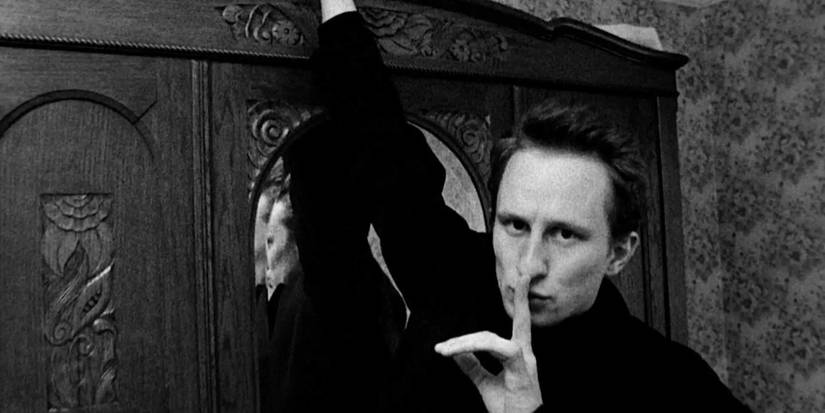
Ben (Benoît Poelvoorde) holds a finger to his lips to silence viewers in ‘Man Bites Dog’.Image via Roxie Releasing
Man Bites Dog is proof that not every mockumentary needs to be a spoof, as the film offers a creative look at the fictionalized making of a documentary about a serial killer. It centers on the film crew who study and observe a ruthless murderer in action, and begin to sympathize and aid him as the crimes get more heinous.
Man Bites Dog came out at a time when celebrity obsessionism and the 24 hour news cycle were growing, making its message about the media desensitizing audiences to graphic violence even more relevant. Although the film is disturbing enough to earn an NC-17 rating based on its content alone, the fact that it was captured in such a grounded way made it even more horrifying; it didn’t have the same suspension of disbelief within other crime films, as the acts of brutality actually felt grounded in a manner that abided by the sensibilities of a snuff film.
2
‘Y Tu Mamá También’ (2001)
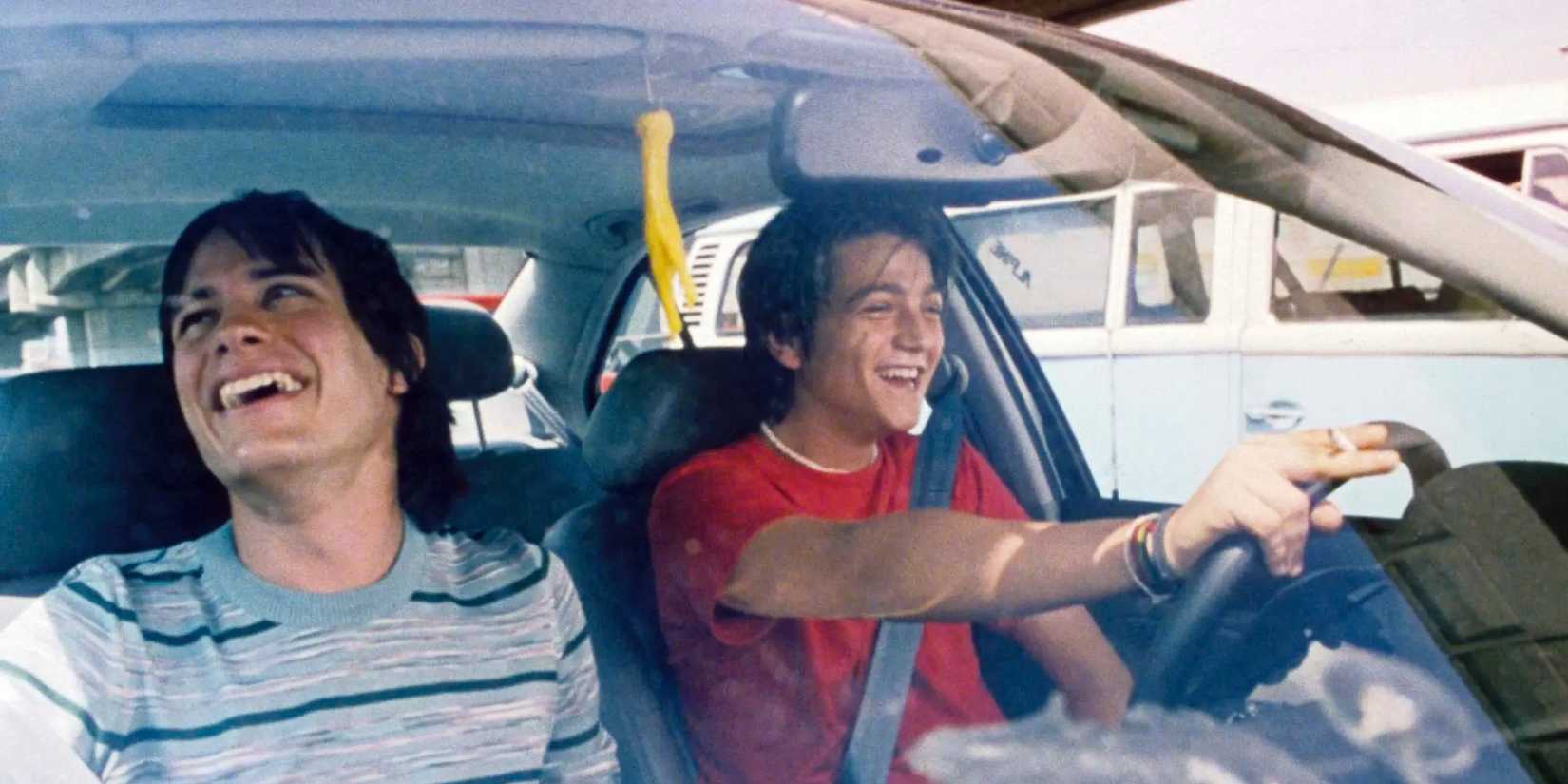
Gael García Bernal as Julio and Diego Luna as Tenoch laughing while driving around in Y Tu Mamá TambiénImage via 20th Century Studios
Y Tu Mama Tambien is one of the greatest coming-of-age films ever made and was responsible for turning Alfonso Cuaron into a household name; it is still rather shocking that Warner Bros. looked at this frank sexual dramedy and decided that Cuaron was the right filmmaker to take over the Harry Potter franchise after Chris Columbus decided to not return for the third installment.
Y Tu Mama Tambien is a perfect road film that featured incredible work by Gael Garcia Bernal and Diego Luna, whose onscreen friendship felt completely sincere. Cuaron’s honesty about sexual experimentation and the innocence of youth made the film into a surprisingly hopeful story about empathy and evolution; although Cuaron made films on a grander scale later on in his career, Y Tu Mama Tambien might be his most ambitious endeavor based purely on the emotional range.
1
‘Midnight Cowboy’ (1969)
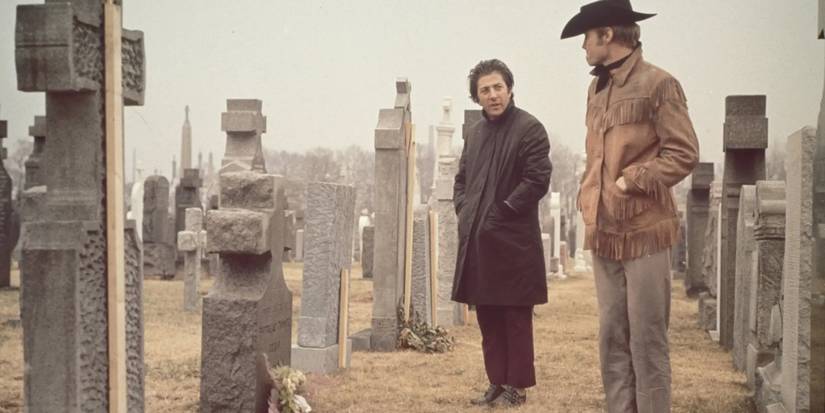
Dustin Hoffman and Jon Voight in Midnight Cowboy standing next to each otherImage via United Artists
Midnight Cowboy is the only X-Rated film to ever win Best Picture at the Academy Awards, even if its content might feel a little tame today in comparison to what is allowed currently under the R-Rating. Nonetheless, Midnight Cowboy was released at the height of the countercultural movement and offered a sincere perspective on the perils of poverty, and featured a starmaking performance by Jon Voight; Voight’s dynamic with Dustin Hoffman is among the all-time greatest depictions of male friendship.
Midnight Cowboy is a downbeat film that includes many shocking moments, both viscerally and emotionally, but it’s also highly entertaining and filled with grounded emotion. It’s the most important X-Rated film because it wasn’t defined by its rating; regardless of what category Midnight Cowboy is slotted into, it should be seen as a masterpiece that holds up just as well today.