
When I first started working in the beauty industry, collagen had a bad reputation. From formulators to marketing teams, simply mentioning collagen, especially as an anti-ageing ingredient, was enough to make people roll their eyes. “It’s such a large molecule that it just sits on the surface of the skin,” was the explanation I heard most often for the industry’s lack of enthusiasm. No one wanted anything to do with an ingredient they considered outdated. It couldn’t penetrate the skin and didn’t do anything particularly remarkable. That was the prevailing belief throughout the industry.
On the other hand, I loved my lotion with collagen amino acids, my moisturiser with hydrolysed collagen, and my collagen gel mask. But I wasn’t using these products to fight wrinkles. What collagen-based formulas did was transform my skin almost instantly. Soft. Hydrated. Smooth. That’s the best way I can describe what collagen did for my complexion.
Whenever I applied a skincare product containing some form of collagen, my skin felt noticeably more supple to the touch. I would also see an immediate difference in its texture – it looked smoother, plumper, and somehow more refined. Over time, collagen cream became my favourite makeup primer because foundation always sat better on my skin when I applied a collagen-rich moisturiser beforehand.
And no, collagen won’t erase wrinkles, nor will it stimulate skin regeneration or trigger the production of new collagen. But that doesn’t mean it isn’t a remarkable skincare ingredient. To this day, collagen remains one of my favourites – not because of anti-ageing claims, but for entirely different, and far more interesting, reasons.

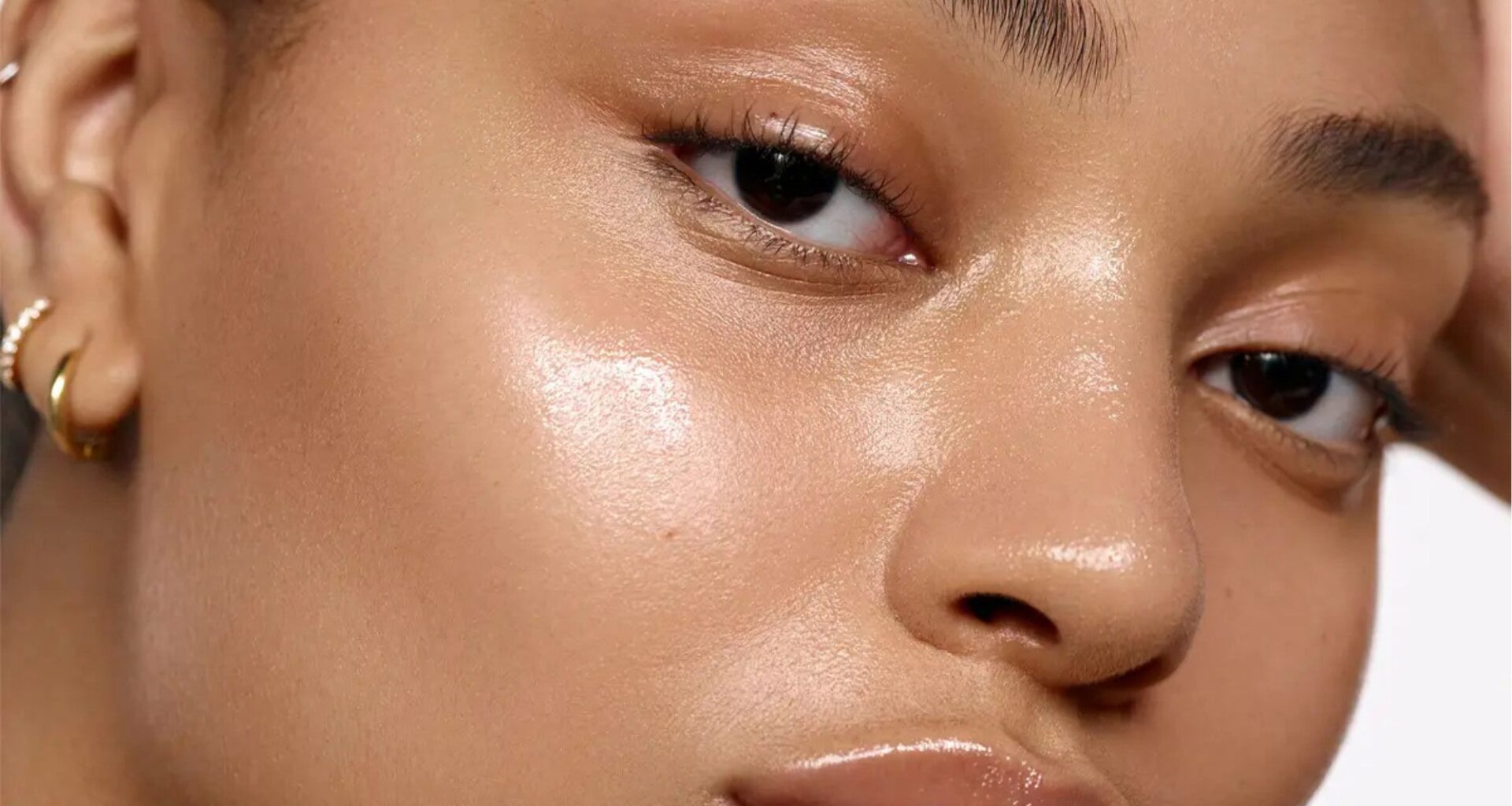
Courtesy of Victoria Beckham Beauty
Collagen is an excellent humectant
Hyaluronic acid is often recommended for dry and dehydrated skin. Osmolytes (ingredients that draw water into the skin through the process of osmosis) can also help provide deeper hydration, but what is less well known is that collagen is an excellent humectant as well. Humectants are ingredients that attract and retain water, helping the skin maintain its moisture levels. When you apply a product containing collagen, your skin will instantly look fresher and more hydrated.
Collagen as an emollient
In skincare, emollients are typically oils and lipids – ingredients that can penetrate the skin’s surface and fill in tiny cracks and irregularities. They leave the skin feeling softer, smoother, and more elastic. Although collagen is not a lipid, it can also fill in microscopic gaps in the skin’s texture. That’s where the immediate feeling of soft, supple skin comes from after applying a collagen-based product.
If your skin is prone to flaking or cracking, a collagen cream can help minimise these issues by improving the skin’s surface and reducing roughness.
Because of its emollient properties, collagen can make fine lines and wrinkles appear less visible by temporarily filling them in. However, it does not stimulate the production of new collagen in the skin. For this reason, many skincare experts are reluctant to classify collagen as an anti-ageing ingredient. But when it comes to hydration, suppleness, and skin softness, collagen is an exceptional ingredient.
Collagen as a makeup primer
Thanks to all of these properties, collagen also makes an excellent makeup primer. By filling in the skin’s texture, it creates a smoother surface that allows foundation to glide on more evenly and sit better throughout the day. At the same time, its humectant properties help keep the skin hydrated, leaving the complexion looking fresh and radiant. These are, after all, exactly the qualities we look for in a good makeup primer.