
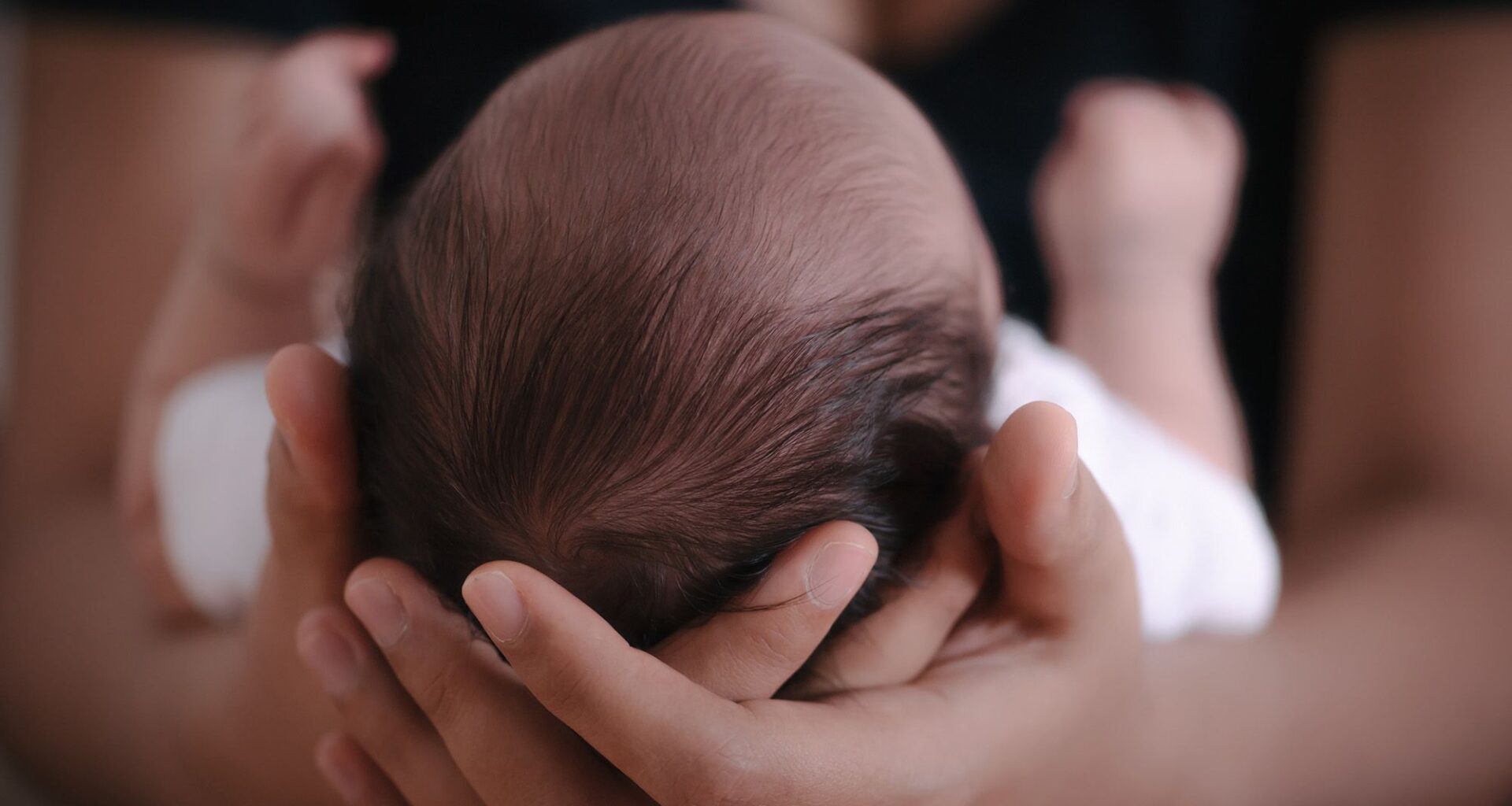
Researchers have discovered that children’s brains can contain cells with their mother’s DNA and that these cells can persist for decades.
The findings, which were posted to the preprint database bioRxiv June 10 but have not been peer-reviewed yet, are part of a growing body of work showing that a mother and fetus exchange cells during pregnancy — a phenomenon known as “microchimerism.” Previously, scientists had found that a mother’s brain harbors cells with her children’s DNA.
Latest Videos From
Hunting down maternal cells in the brain
You may like
What to read next
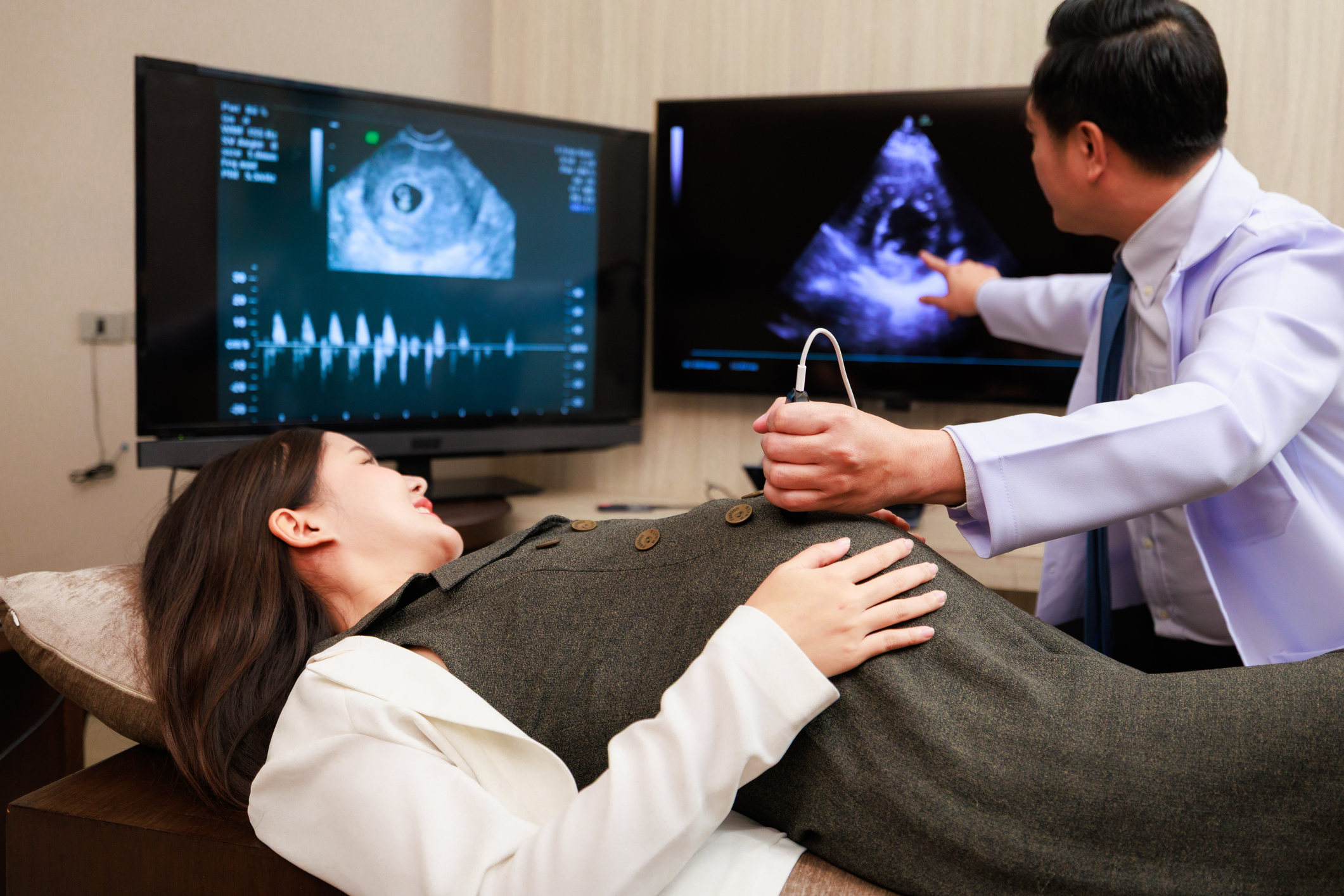
During pregnancy, the mother and fetus exchange cells — a phenomenon called “microchimerism.”
(Image credit: Rhenizara S via Getty Images)
Checking healthy brains
This article is for informational purposes only and is not meant to offer medical advice.
Kanaan, S. B., McDonough, A., Gentil, C., Ojemann, J., Haynes, H., Behboudi, R., Eisenberg, D.T.A., Furlan, S. N. D., Rutledge, J., Urselli, F., Weinstein, J. R., & Nelson, J.L. (2026) Microchimerism in the human brain, quantitative assessment and single nuclei profiling establish cell types and diversity. bioRxiv. https://doi.org/10.64898/2026.06.05.730225