

Listen to this article
Estimated 3 minutes
The audio version of this article is generated by AI-based technology. Mispronunciations can occur. We are working with our partners to continually review and improve the results.
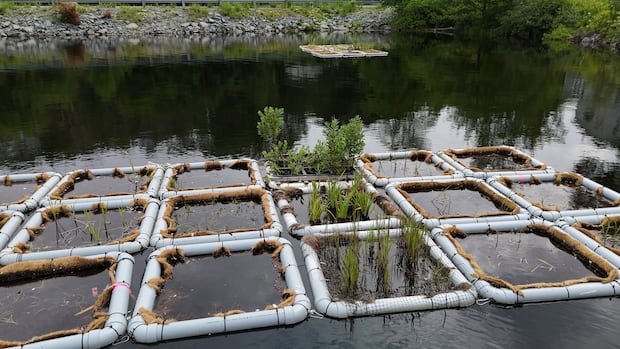
The Halifax Regional Municipality is testing out floating wetlands in several bodies of water this summer in a first-of-its-kind effort in Nova Scotia to improve the water quality.
The wetlands are lying on the surfaces of Kearney Lake, Little Kearney Lake and ponds in the Halifax Public Gardens for the summer while researchers from Dalhousie University study the effects on the ecosystems.
“This is not a new technology, but we’re trying it out in a new context,” said Elizabeth Montgomery, a water resources specialist for the municipality.
The wetlands are a unique response to water quality concerns in Kearney Lake with significant ongoing development in the area. The floating treatment apparatuses are traditionally used in wastewater treatment ponds to remove excess nutrients without using chemicals, Montgomery said.
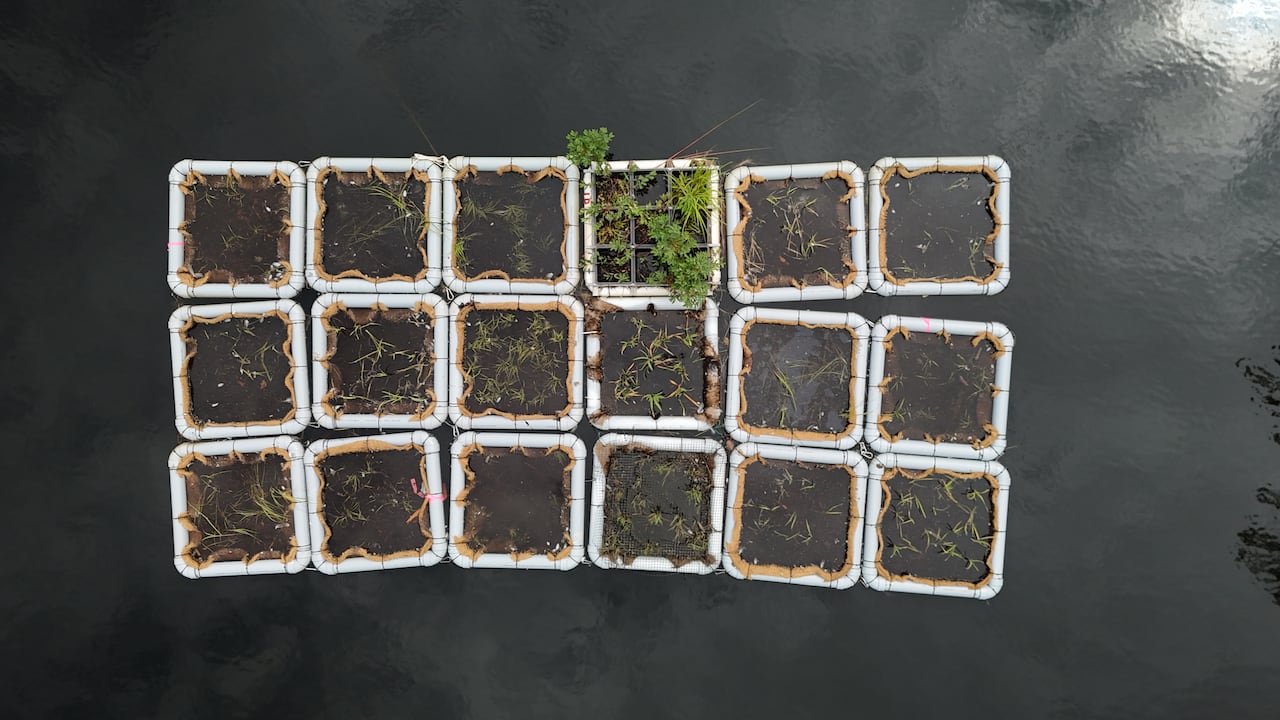 The roots of the wetland plants grow to the bottom of the water column and absorb nutrients, such as phosphorus and chloride. An excess amount of nutrients can lead to algae blooms. (Brian MacKay/CBC)
Nutrients, in this case phosphorus and chloride, are natural food sources for aquatic plants, but an excess amount can cause algae blooms and bacteria.
The hope is the plants in the floating wetlands will absorb some nutrients and then be taken out of the water, Montgomery said.
Residents have been concerned development is causing an increase in sediments and nutrients in Kearney Lake. The lake was closed five times between 2022 and 2023 due to algae blooms or high levels of bacteria.
“It’s naturally ‘low nutrient,’ but there’s a ton of development going on around this area,” Montgomery said.
Concerns about changes in lake
The project came to fruition after regional council voted in 2022 to create a plan to better manage Kearney Lake and Little Kearney Lake.
Kathryn Morse, regional councillor for the area, asked for the plan after growing concerned about changes to the lake, including beach closures.
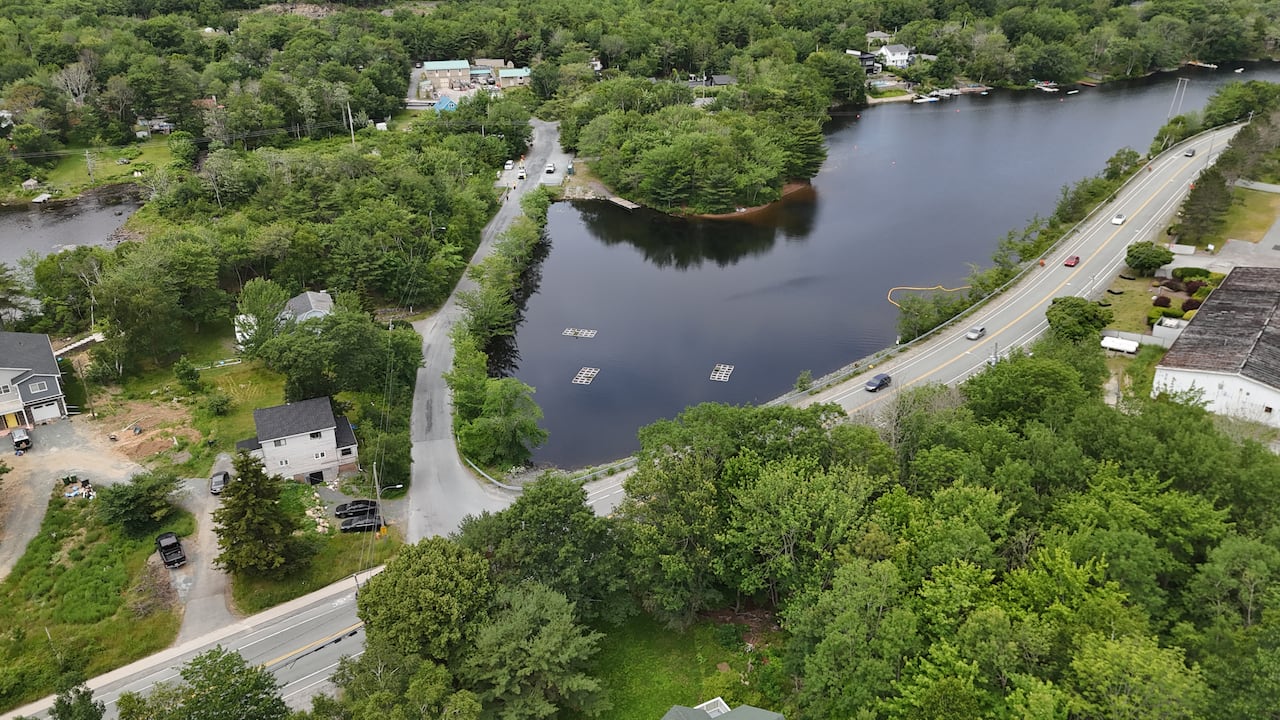 An aerial view of the southeastern part of Kearney Lake in Halifax Regional Municipality on July 8, 2026. (Brian MacKay/CBC)
The push to maintain water quality of the lake came from the surrounding residents, Morse said.
“They were looking for ways to improve the lake and not see it deteriorate the way some other urban lakes in HRM have deteriorated,” she said.
How the wetlands work
The roots from plants on the floating wetlands extend to the bottom of the water column as they grow and soak up nutrients.
“At the end of the summer, we’ll harvest the plants and dry them and analyze the plant tissue to see how much phosphorus and chloride they’ve absorbed,” said Lauren Somers, a professor of engineering and faculty member part of the Centre for Water Resources Studies at Dalhousie.
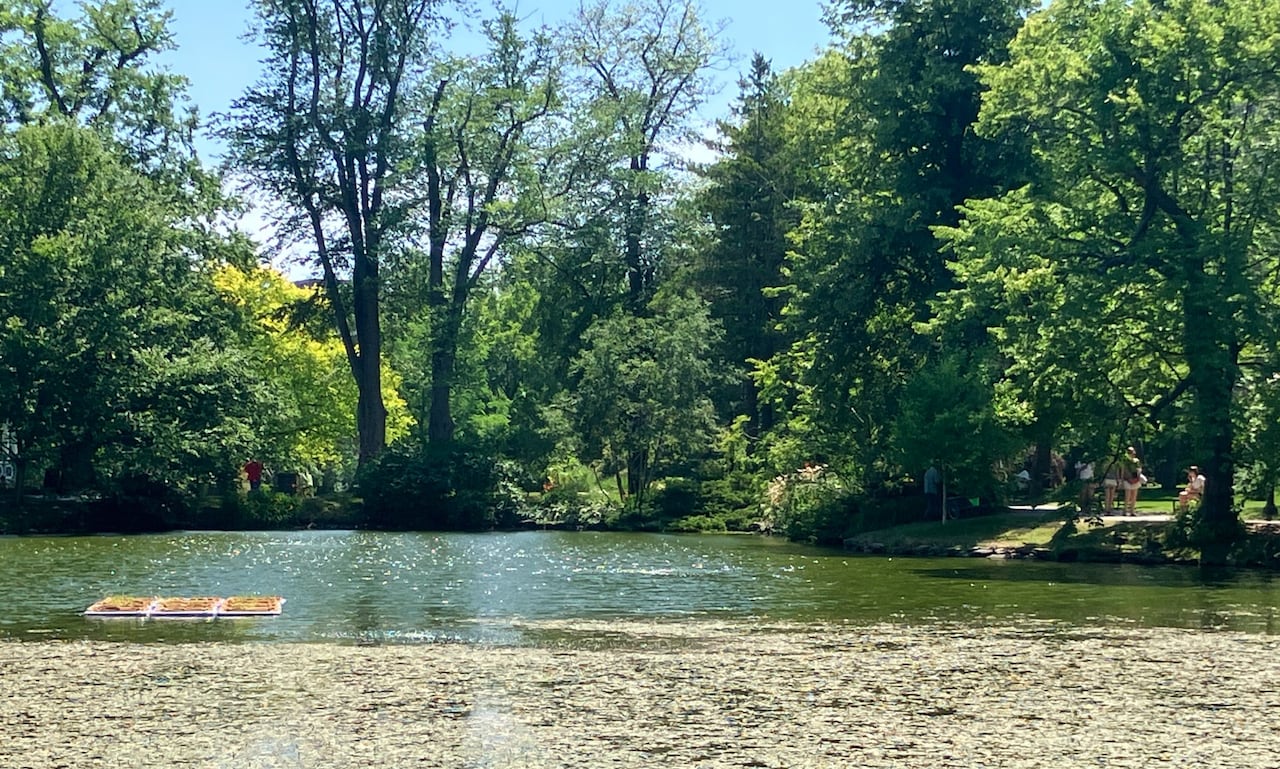 The project was expanded to include ponds in the Halifax Public Gardens after park managers expressed concerns about an increase in aquatic plant growth they believe is linked to excess nutrients. (Josh Hoffman/CBC)
Somers said the floating wetlands presented “an exciting research opportunity” for Dalhousie.
“We have engineered wetlands that are not floating, but this would be a first for our region,” she said.
Municipal staff are not only interested in the effects on water but also what it takes to maintain the wetlands if they want to expand the project, Montgomery said.
“Even if Kearney Lake isn’t the best setting for these modules, we can pick them up and move them somewhere else if we find favourable conditions,” she said.
MORE TOP STORIES