
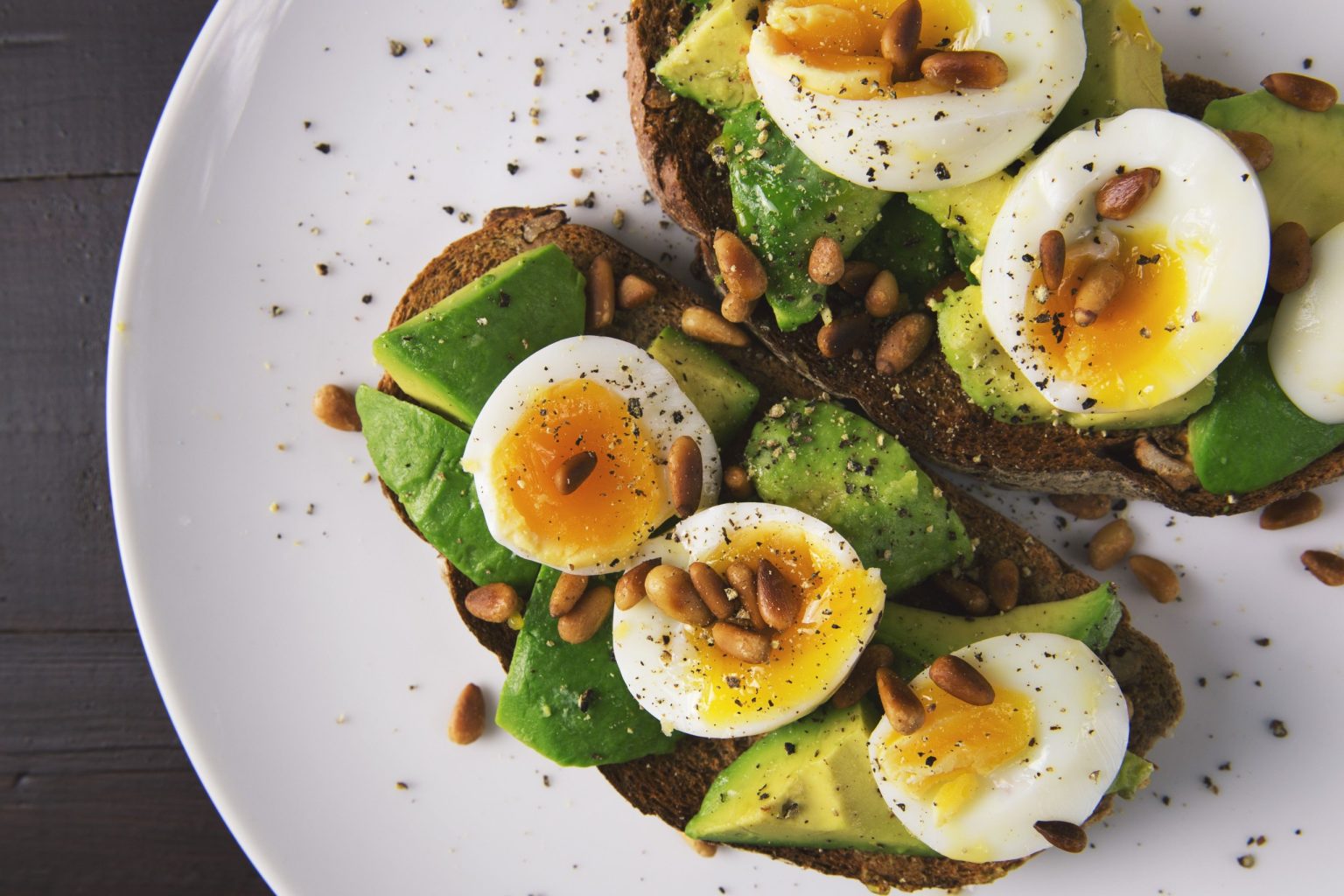
Are you one of the many people trying to get enough protein throughout the day? Last month, Google searches for “how much protein should I eat per day” rose by as much as 110 per cent, while more and more people are looking for information on the recommended protein intake for women and the best sources of this important nutrient.
The obsession with protein is not necessarily a bad thing, at least up to a point. Getting enough protein contributes to more stable blood sugar levels, helps you feel full for longer, supports muscle growth and recovery, and can have a positive effect on your mood.
Related: How to get 100g of protein a day?
Protein, found in meat, fish, dairy products and plant-based foods, is a fundamental building block of muscle and also plays an important role in hormone production, immune function and tissue repair.
The only problem is that a protein-rich diet can become rather monotonous over time, especially if you keep eating the same meals but still struggle to reach the recommended 0.8 to 1.2 grams of protein per kilogram of body weight each day.
Whether you eat meat or fish, are vegetarian or follow an entirely plant-based diet, there are simple ways to increase the amount of protein in every meal.

Alesia Kozik
Always keep tinned fish on hand
“Tinned tuna, salmon and sardines are affordable, convenient and useful staples that are always worth keeping in your pantry,” says nutritional therapist Kat Chan. As well as being rich in protein, tinned oily fish, such as sardines, herring or trout, is an excellent source of omega-3 fatty acids, which have anti-inflammatory properties and support brain, heart and hormonal health. It also contains calcium and important micronutrients such as iodine and selenium.
Related: Six foods with more omega-3 than salmon
Use bone broth instead of stock
If you are not yet one of those people who drink bone broth on its own, try using it instead of ordinary stock or water when cooking. Nutritionist Farzanah Nasser explains that bone broth makes an excellent protein-rich liquid base that can easily be added to soups, stews and other savoury dishes.
In addition to minerals and amino acids, it contains gut-supporting glutamine and electrolytes. Although it is not a complete source of protein because it does not contain all nine essential amino acids, combining it with other protein-rich foods can significantly increase your overall intake. One cup of bone broth provides approximately 8 to 10 grams of protein.
Choose protein-rich dairy products
Cottage cheese, quark, ricotta, skyr and Greek yoghurt are now widely available, but the question is which one to choose. “If you tolerate dairy well, Greek yoghurt is an excellent addition to breakfast and can also be used as a dip or a base for creamy sauces,” says nutritionist Kirsten Humphreys.
Related: Everything to know about the high-protein food Beyoncé swears by
Cottage cheese is another excellent choice. One cup contains around 25 grams of protein, and you can easily add it to scrambled eggs, pasta sauces or pancake batter, or use it in place of plain yoghurt.
Choose your snacks wisely
Trying to get around 30 grams of protein into every main meal can be challenging for many people. That is why Humphreys recommends incorporating several smaller protein-rich snacks throughout the day. Instead of thinking only about the main source of protein on your plate, consider the meal as a whole.
This could mean swapping crisps for a protein snack or adding foods to breakfast, lunch and dinner that will increase your overall protein intake.

Ksu&Eli Studio
Prioritise whole grains and seeds
Dr Federica Amati recommends choosing quinoa, buckwheat and other whole grains more often instead of refined grains, and combining them with pulses such as beans, lentils and peas. These combinations provide a better amino acid profile and naturally increase the protein content of a meal.
You can add pumpkin, chia or hemp seeds to porridge, salads, soups or roasted vegetables, while lentils, chickpeas or butter beans can easily be added to stews, curries, pasta sauces or salads.
A particular advantage of these plant-based protein sources is that they are rich in fibre and polyphenols, protective plant compounds that help reduce inflammation and protect cells from damage. These are precisely the nutrients that are often missing from highly processed, high-protein products.
Do not underestimate pulses
Beans, lentils and chickpeas are excellent sources of protein and fibre. They also contain the amino acid tryptophan, which promotes a sense of calm, while their complex carbohydrates are digested more slowly by the body, helping to maintain stable blood sugar levels. “Adding half a tin of beans, lentils or chickpeas to soups, salads, curries, pasta sauces or casseroles significantly increases the nutritional value of a meal,” says Farzanah Nasser.
Pulses are also excellent mashed and spread on bread, while edamame, which contains more protein than most other pulses, is always handy to keep in the freezer.