

Listen to this article
Estimated 2 minutes
The audio version of this article is generated by AI-based technology. Mispronunciations can occur. We are working with our partners to continually review and improve the results.
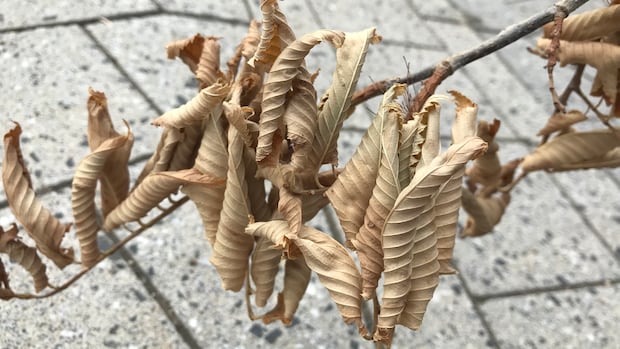
An elm tree in northwest Edmonton has been confirmed to have Dutch elm disease, the third confirmed case of the disease detected this month.
The city said the tree, located in the Calder neighbourhood, is the 10th confirmed case of the disease since it was first reported in Edmonton in 2024.
“The tree was in decline and identified by city crews through a visual inspection,” the City of Edmonton wrote in a news release Wednesday.
“Test results confirmed the disease, and the tree is being removed today as part of the ongoing efforts to contain the spread.”
Dutch elm is a contagious fungal disease that is carried by elm bark beetles and can affect multiple species of elm trees.
WATCH | What Dutch elm does to trees and how beetles spread it: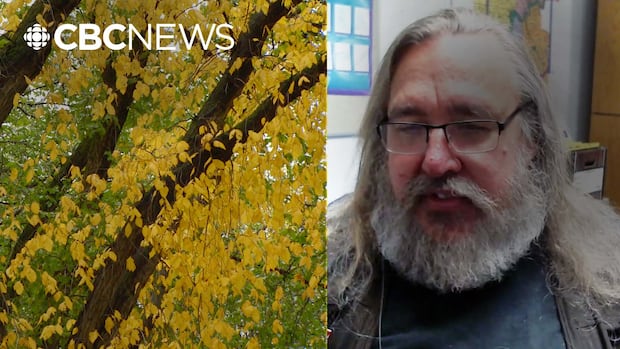
Keeping Dutch elm disease in check
In August, 2024, Dutch elm disease was found in Edmonton for the first time. Since its introduction from Europe to North America in the 1930s, the disase has destroyed millions of elm trees. Mike Jenkins tells what plans the city has for managing the pest this summer. He is a senior scientist in the city’s Integrated Pest Management Lab.
The city announced two other cases of Dutch elm disease earlier this month.
The city said elm trees make up about 22 per cent of the city’s open space and boulevard tree inventory — or, about 90,000 trees in total.
In addition to the confirmed infected tree, the city says it’s preemptively removing one other elm tree in the protocol zone, a one-kilometre area around the affected tree in Calder.
“Promptly removing infected trees and any elms within 20 metres, alongside a diligent pruning program to clear deadwood, is necessary to reduce habitats for the beetles that spread the fungus,” the release said.
The City of Edmonton is asking residents to be diligent in monitoring and reporting trees with suspected Dutch elm disease.
Communities can help stop the spread by not moving firewood, frequently pruning dead limbs from trees from October to April and reporting trees with signs of the disease to 311, the city said.