

Listen to this article
Estimated 4 minutes
The audio version of this article is generated by AI-based technology. Mispronunciations can occur. We are working with our partners to continually review and improve the results.
Researchers at the University of Calgary say there are mosquitoes carrying West Nile virus in the city, and they’re urging people to take precautions.
At the same time, Primary Care Alberta confirms one travel-related case of West Nile virus has been reported in the province so far this year.
“We already are seeing evidence of West Nile moving in our mosquito population, so that means there’s a bit of a risk out there, ”said John Soghigian, an associate professor in the faculty of veterinary medicine at the University of Calgary.
He works with the City of Calgary to monitor mosquito traps at five locations in the city and one on the outskirts.
“It is the earliest detection we’ve seen in Calgary in recent years,” he said.
According to Soghigian, Calgary’s first positive mosquito samples were collected at the end of June, and his team has continued to detect the virus around the city throughout July.
“We know that West Nile is widely found throughout the city, and it seems to be circulating at a higher rate this year than past years.”
While there appears to be more of the virus circulating, he cautions it’s possible they didn’t detect it as well in previous years.
He calls this an early warning sign that West Nile is out there and likely amplifying among bird populations.
“What that means is other mosquitoes could become infected, who could then bite people and then that could lead to disease transmission,” he said.
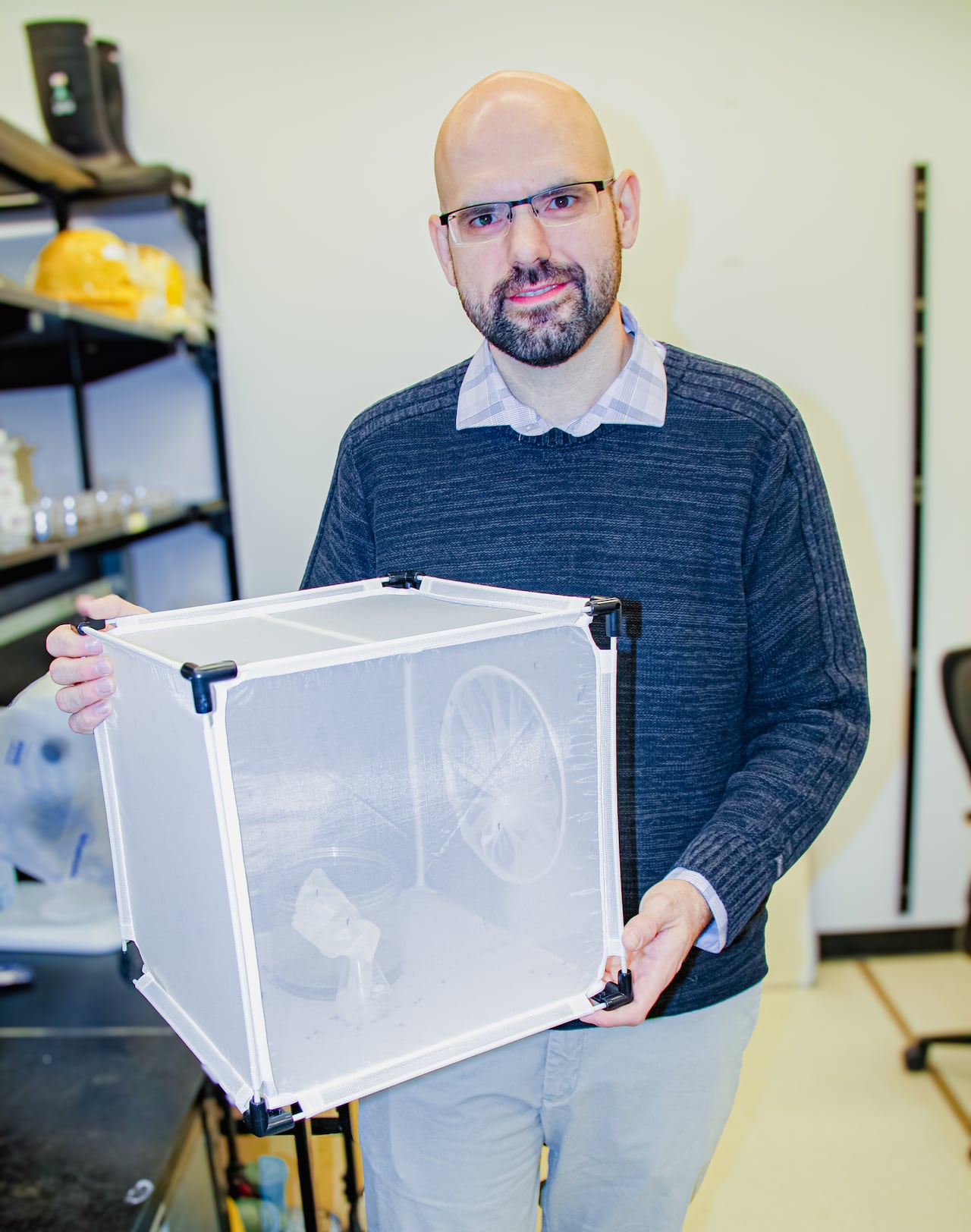 Dr. John Soghigian is an associate professor in the University of Calgary’s faculty of veterinary medicine. (Syed Rahil Tarique)Health impacts
According to the Public Health Agency of Canada, there is no specific treatment for West Nile virus, and up to 80 per cent of people infected will have no symptoms.
Mild symptoms include fever, headache, body aches, a mild rash and swollen lymph glands.
Initial symptoms tend to appear between two and 15 days after you’re infected.
People over the age of 50 and those with weakened immune systems are at the greatest risk of severe illness.
In rare cases, the virus can impact the brain and spinal cord, and there can be severe and permanent neurological complications including seizures, memory loss, brain damage and even death.
Serious symptoms can include:
Severe headache.High fever.Stiff neck.Confusion.Tremors or convulsions.Muscle weakness or paralysis.Coma.
Soghigian hopes sharing these findings will prompt Calgarians to take steps to protect themselves.
DEET is very effective as a repellent, he noted. There are also more natural alternatives that use oil of lemon eucalyptus.
He also suggests covering up with loose-fitting clothes (with long sleeves and long pants) or clothes that are treated with repellent.
Removing standing water on properties is also key.
According to Soghigian, wet weather earlier in the summer made conditions ripe for mosquitoes to flourish. And populations are higher than usual for this time of year.
LISTEN | How the upcoming heatwave could make an already buggy summer even worse:
Calgary Eyeopener6:26How the upcoming heatwave could make an already buggy summer even worse
A rainy June has lead to a heavy mosquito season here in Calgary. Local entomologist, John Swann, joined us for a mid-season update and more on how warmer weather could intensify the swarm.
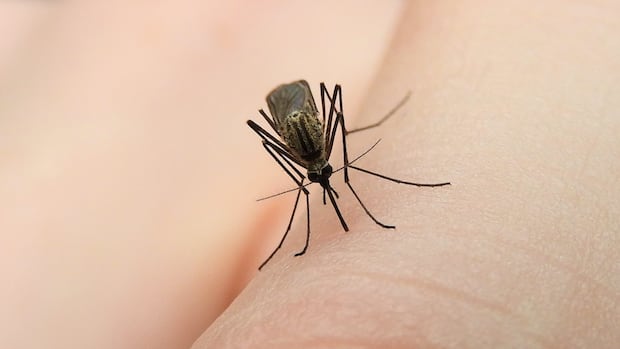
The virus was found among northern house mosquitoes, an invasive species, which are also known as culex pipiens.
Northern house mosquitoes are most active at dusk and dawn, Soghigian said, and they’re particularly good at spreading West Nile.
According to Primary Care Alberta, four cases of the virus were detected in the province last year.
While it urges repellent use, the agency said DEET should not be used at all on infants and only sparingly on young children.
“Instead, use mosquito netting and try not to be outside when insect activity is high, like at dawn and dusk,” a recent public health notice said.
Primary Care Alberta is not sharing information on the health status of the Albertan who tested positive this year.