

Listen to this article
Estimated 4 minutes
The audio version of this article is generated by AI-based technology. Mispronunciations can occur. We are working with our partners to continually review and improve the results.
Hip-hop may not be the first genre that comes to mind when people think of Atlantic Canadian music.
But the curators behind a new exhibition opening in Fredericton say the region has been building a vibrant rap culture for more than four decades.
The East of East Atlantic Canadian Hip Hop Archive has opened at the Charlotte Street Arts Centre, bringing together what organizers describe as the largest collection of Atlantic Canadian hip-hop history ever assembled.
The travelling exhibition features rare cassette tapes, CDs, vinyl records, posters, photographs, merchandise, archival video and listening stations documenting artists from across the region.
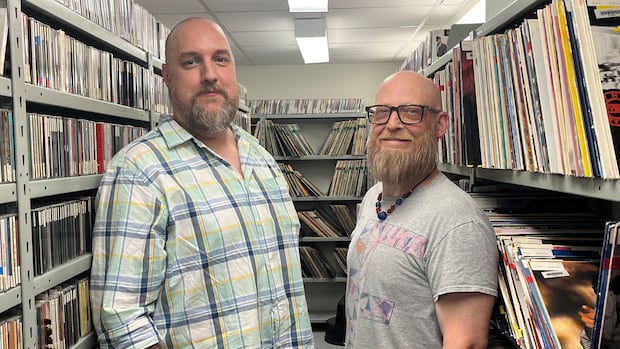
“This is something that’s been going on across this region in all provinces and all parts of it for more than 40 years,” said Halifax-based co-curator Michael McGuire.
WATCH | From basement beats to gallery walls: Celebrating Atlantic Canadian hip-hop: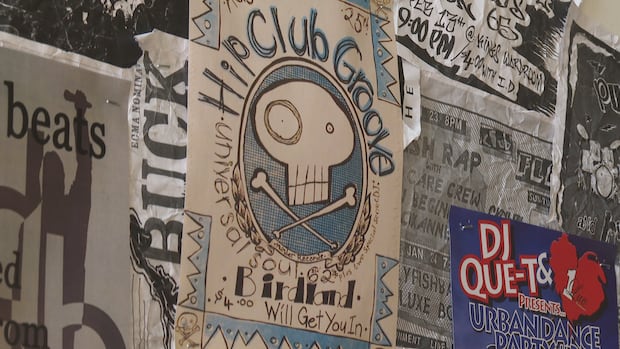
Atlantic Canada’s hip-hop history gets its moment in the spotlight
A new Fredericton exhibition is preserving more than 40 years of East Coast hip-hop culture through rare recordings, posters and memorabilia.
“As much as it’s something that people don’t know about, this is an opportunity to learn about it and realize that, yeah, there is a rich cultural tradition here that’s been going on for a very long time.”
The exhibition traces the region’s hip-hop history beginning in 1985, with references to earlier influences dating back to the early 1980s, when records like Rapper’s Delight first reached Atlantic Canada and inspired local artists.
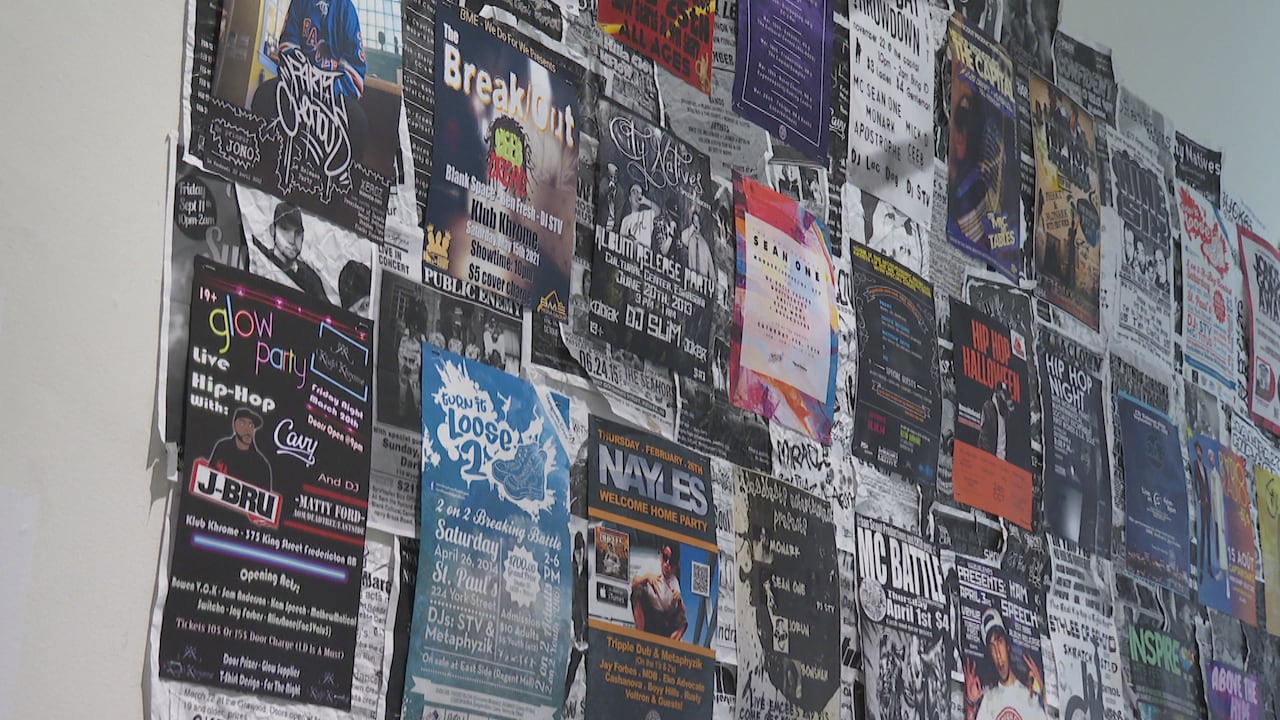 A poster wall at the East of East Atlantic Canadian Hip Hop Archive exhibition at the Charlotte Street Art Centre (Shane Fowler/CBC)
McGuire said Atlantic Canada has been isolated, and this helped shape a sound of its own.
“We bring some of that Celtic folk vibe to it,” he said. “We bring Mi’kmaw traditions in, we bring Chiac and Acadian styles into things. We take what we’ve got and we fold it into hip-hop culture.”
Co-curator David Dahms said the region’s diversity has always been one of its strengths.
“We’re scrappy and we stick together,” he said. “We bring a ton of different musical influences and cultural influences into that space, so we get a very unique sort of salty East Coast sound.”
Unlike many major recording artists, much of Atlantic Canada’s hip-hop community has worked independently, producing music in small batches that can easily disappear over time.
“The vast majority of stuff that’s coming out of Atlantic Canada is independently produced,” McGuire said. “It’s short runs of CDs and tapes, maybe vinyl. After a couple of years, these things disappear.”
Each stop on the exhibition’s tour highlights artists from the host province.
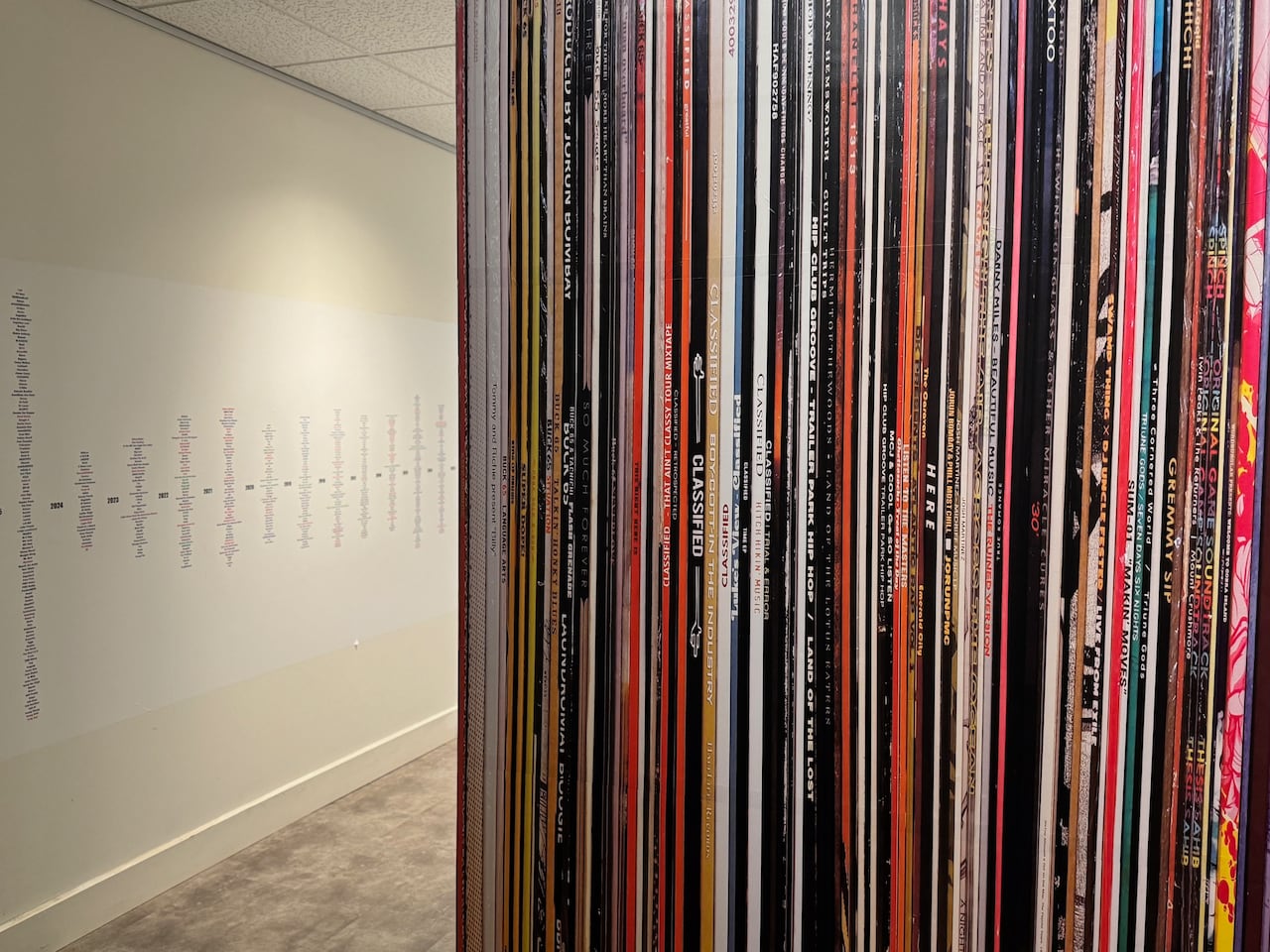 The exhibition chronicles the history of the region’s hip-hop scene starting from 1985. (Submitted by Matt Carter)
In Fredericton, musicians and producers in New Brunswick are featured prominently, with artists such as City Natives, Wolf Castle, MO3, Johno and Sean One represented alongside influential figures from elsewhere in Atlantic Canada, including Buck 65, Classified and producer Joe Run Bombay.
The exhibition is designed to be interactive rather than a traditional museum display.
Visitors can explore a 40-year timeline of Atlantic Canadian hip-hop, watch music videos, listen to recordings, view rare memorabilia and participate in activities intended for visitors of all ages.
Dahms said he hopes people leave with a broader understanding of what hip-hop represents.
“I’m not expecting everyone to come in and leave as hip-hop historians,” he said.
“I just want them to understand that the world is malleable and we don’t take what we’re given and just accept it. We can mould it and fold it and express ourselves.”
He also hopes the exhibition inspires artists who may feel their work is going unnoticed.
“If you’re doing something small and you think no one’s paying attention, there are people paying attention,” he said.
“We thank everyone who put in that work in those basements and in those places where nobody was paying attention.”
The exhibition runs at the Charlotte Street Arts Centre until Sept. 20.