
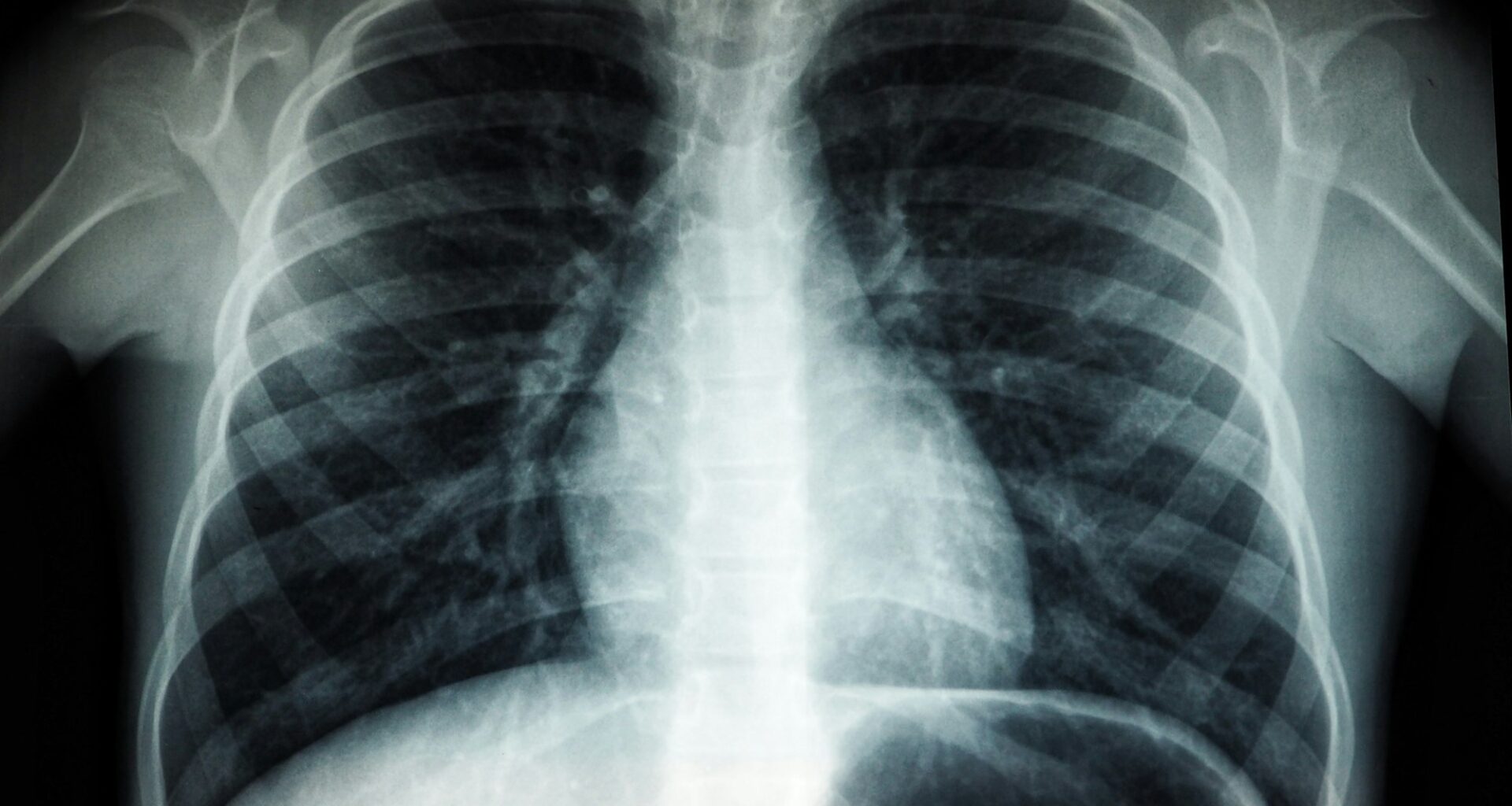
MANITOULIN ISLAND—Beneath the cedar groves, along the shorelines, and in the damp, rich soil that makes Manitoulin Island one of Ontario’s most beautiful destinations, a microscopic threat lies waiting. That lurking villain is called blastomycosis and for decades it has quietly claimed lives, sickened children and killed beloved pets across the Island—earning this region a grim distinction as one of the disease’s Canadian hot zones.
Blastomycosis, often shortened to “blasto,” is caused by blastomyces dermatitis, a fungus that thrives in acidic, moist soil and rotting wood, particularly in wooded areas near lakes and rivers—something the Island has in plentiful supply. People and animals become infected by inhaling airborne spores that are released when soil or decaying vegetation is disturbed—through digging, hunting, gardening, or even a walk through the bush after a rainfall. In rarer cases, the fungus can enter through a cut or scrape on the skin.
Public Health Sudbury & Districts has confirmed that the fungus is endemic to the Sudbury and Manitoulin districts, meaning it lives here permanently in the environment rather than arriving through any single outbreak. Alongside Kenora, the Manitoulin area is considered one of the province’s primary hot spots for the disease.