

Fact checked by Nick Blackmer
Vitamin C is essential for immune function, and most people can meet daily needs through food, rather than supplements.
Foods like red bell peppers, kiwi, berries, and leafy greens pack more vitamin C than you might expect while offering extra nutrients you won’t get from a pill.
Supplements may help people with limited diets or absorption issues, but most adults can hit their targets by eating a variety of fruits and vegetables.
Your diet is often the best place to start if you want to get more vitamin C. Experts generally recommend meeting your needs through foods like fruits and vegetables since they provide other beneficial nutrients.
Vitamin C will not completely protect you from germs, but it plays an essential role in your immune health. Most women need at least 75 milligrams (mg) per day, while men need slightly more, at 90 milligrams.
1. Red Bell Pepper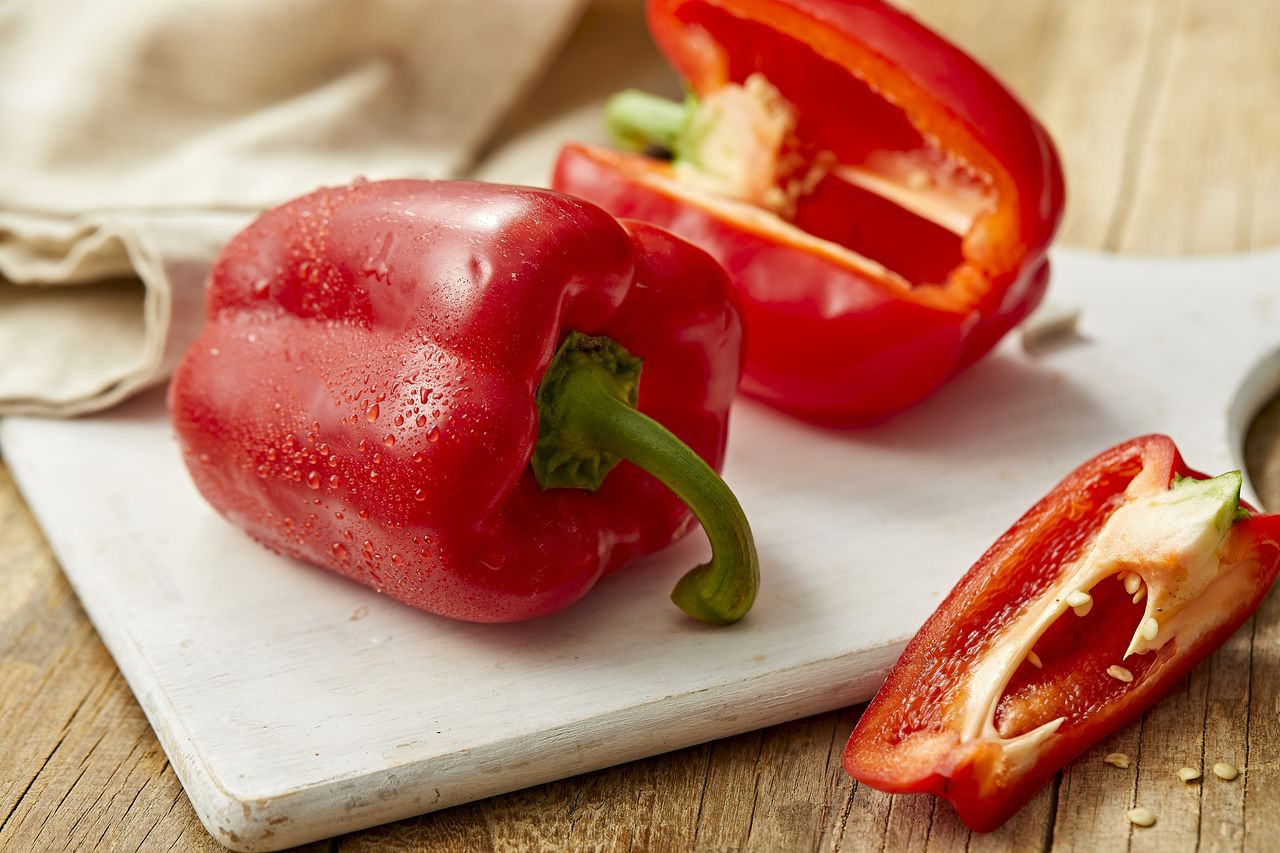
Bell peppers contain double the recommended daily value of vitamin C.Credit: gstv1 / Imazins / Getty Images
Vitamin C: 118 mg, 131% of the Daily Value (DV)
Serving size: 1 cup sliced
While citrus fruits often get the spotlight for their vitamin C content, many vegetables—including red bell peppers—are surprisingly excellent sources. These peppers also provide vitamin B6, potassium, and magnesium, which support heart, bone, and brain health.
2. Kiwi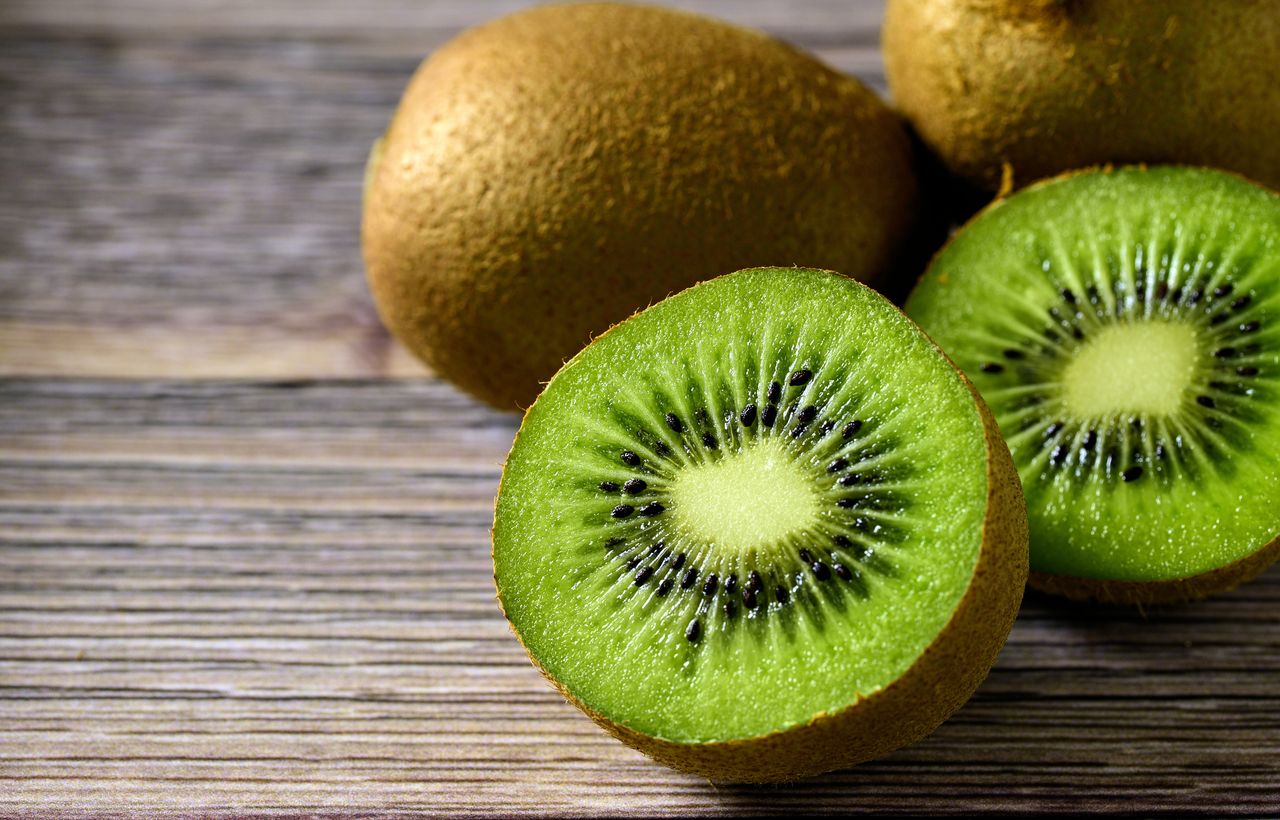
Credit: Cathy Scola / Getty Images
Vitamin C: 105 mg, 117% of the DV
A single cup of kiwi delivers more than your daily vitamin C requirement. For an extra nutrient bonus, eat it with the skin to enhance your fiber intake.
3. Broccoli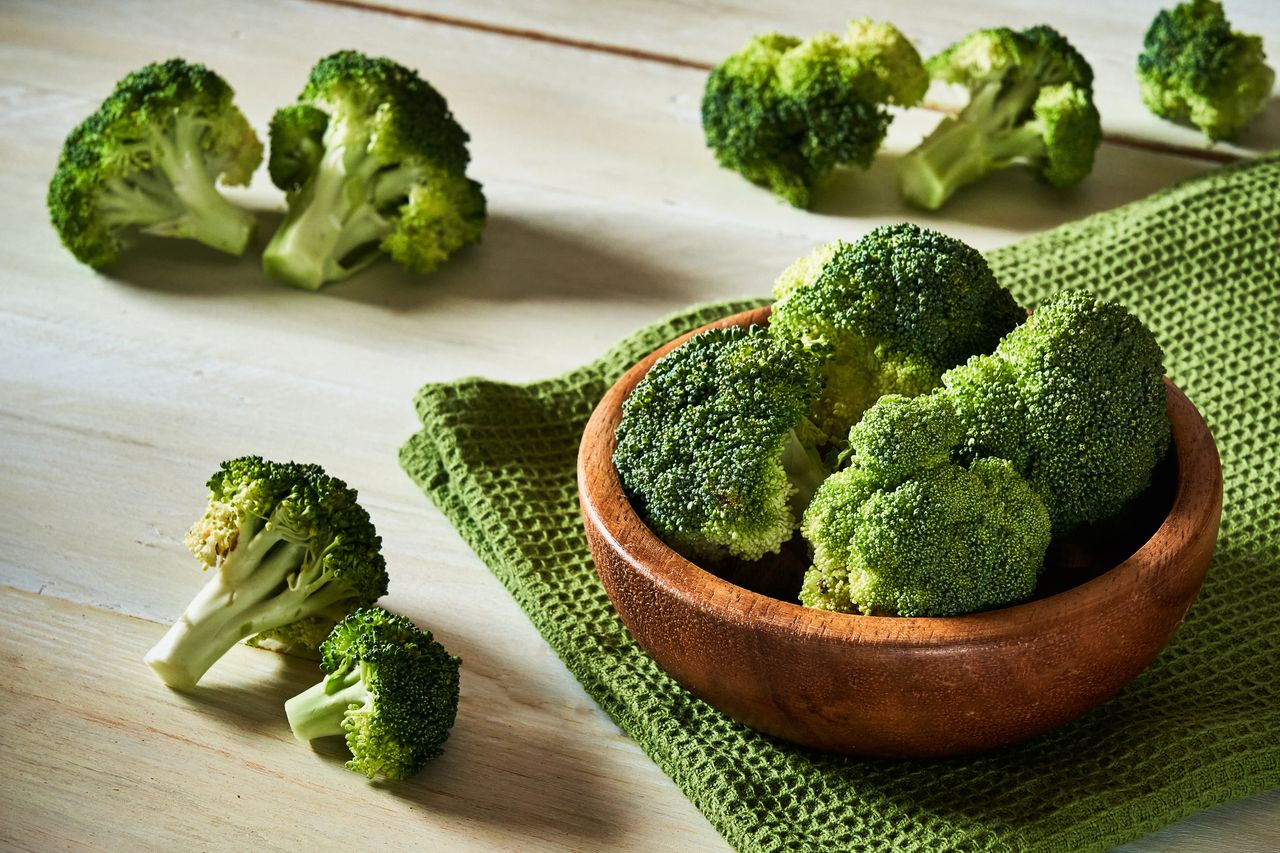
Credit: Helen Camacaro / Getty Images
Vitamin C: 102 mg, 113% of the DV
Serving size: 1 cup chopped
Broccoli is not only rich in vitamin C but also provides immune-supporting nutrients like selenium, zinc, vitamin K, vitamin E, vitamin A, potassium, and phosphorus.
4. Kale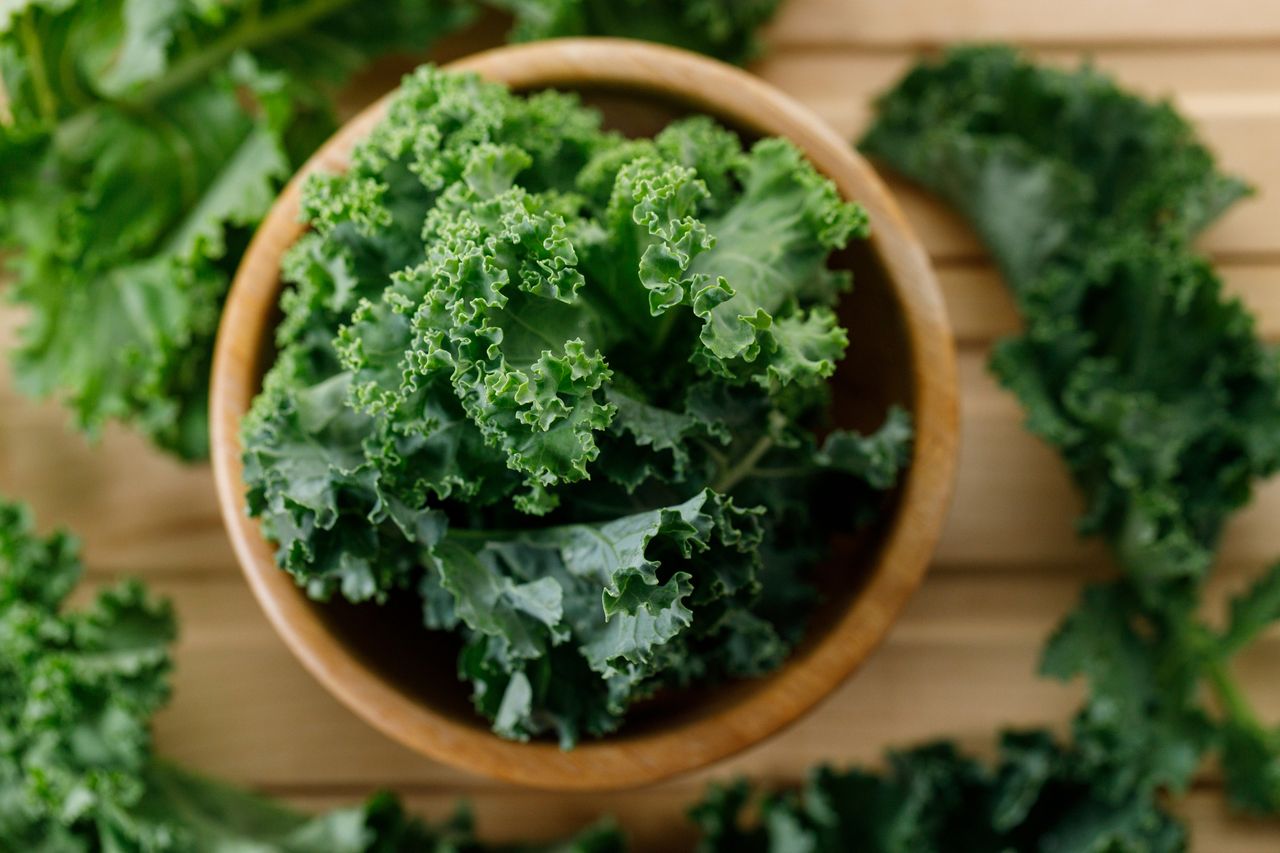
Kale is rich in vitamins with antioxidant properties, like vitamins A and C.Credit: janecocoa / Getty Images
Vitamin C: 93 mg, 103% of the DV
Serving size: 100 grams (1.5 to 2 cups) raw
Kale, a nutrition superstar, also contains a noteworthy amount of vitamin C. What’s more, the cruciferous vegetable boasts more than 300% of the DV of vitamin K, crucial for blood clotting, strong bones, and more.
5. Strawberries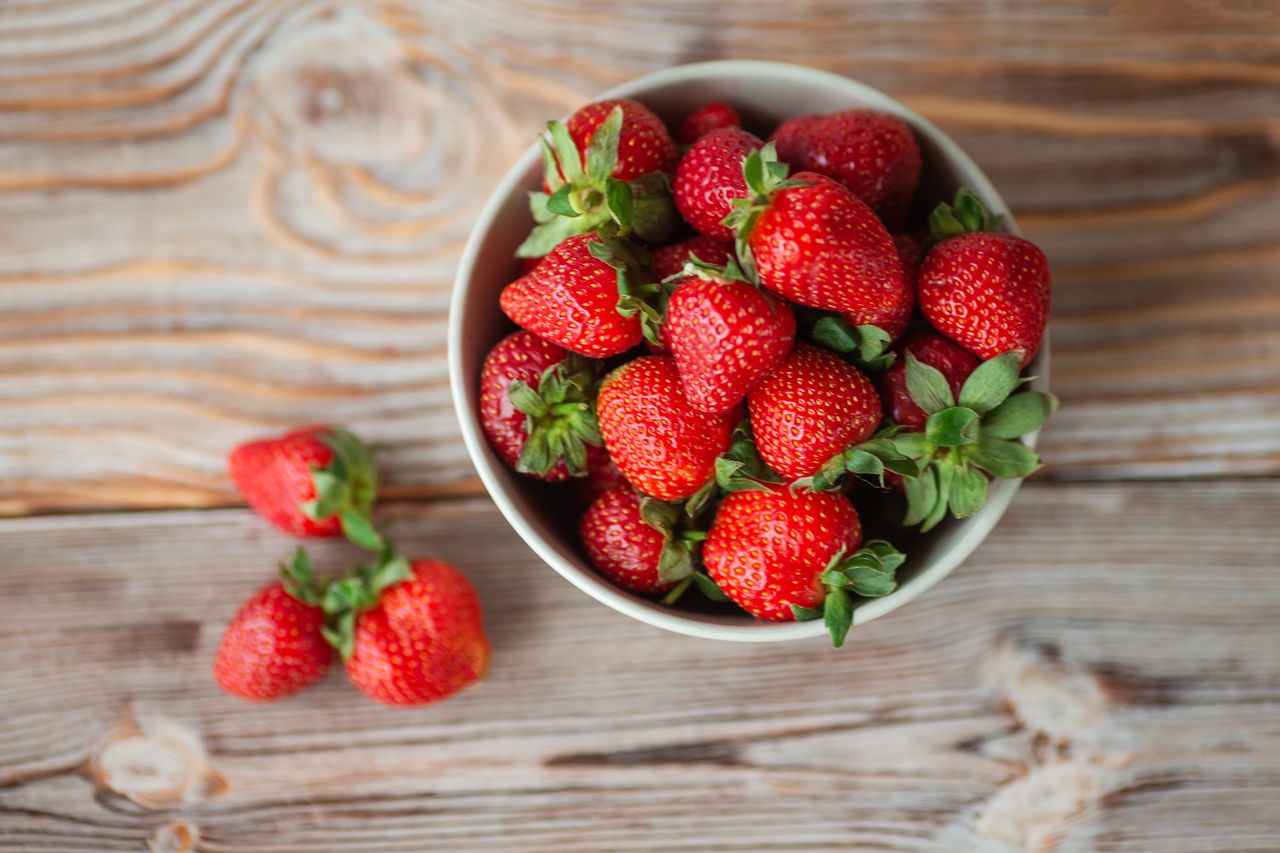
Credit: Kseniya Sharapova / Getty Images
Vitamin C: 89 mg, 99% of the DV
Serving size: 1 cup, halves
Strawberries deliver an entire day’s vitamin C needs in just a cup. These juicy berries also contain anthocyanin, a powerful antioxidant.
6. Grapefruit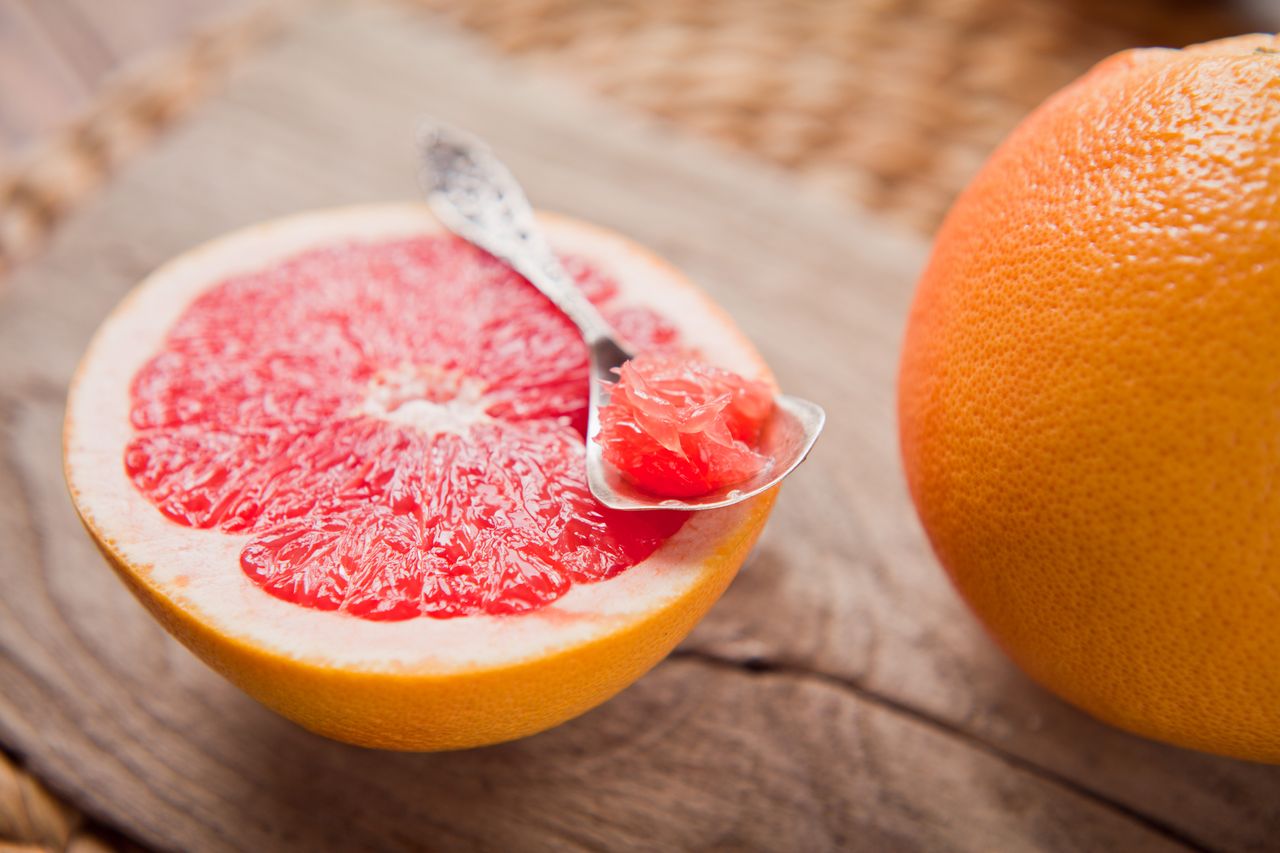
Grapefruit is a good source of potassium and vitamin C, both of which benefit blood pressure.Credit: joannatkaczuk / Getty Images
Vitamin C: 85 mg, 94% of the DV
Grapefruit is an acquired taste for some due to its bitter flavor, but its nutritional value more than makes up for it. Rich in vitamin C, fiber, vitamin A, and potassium, grapefruit supports gut, eye, heart, and immune health.
“Grapefruit can be enjoyed broiled with a touch of sweetener, added to salads or breakfast bowls, or infused into water for a refreshing drink,” Jennifer Rawlings, RDN, CDCES, owner of My RDN Coach, told Health.
7. Oranges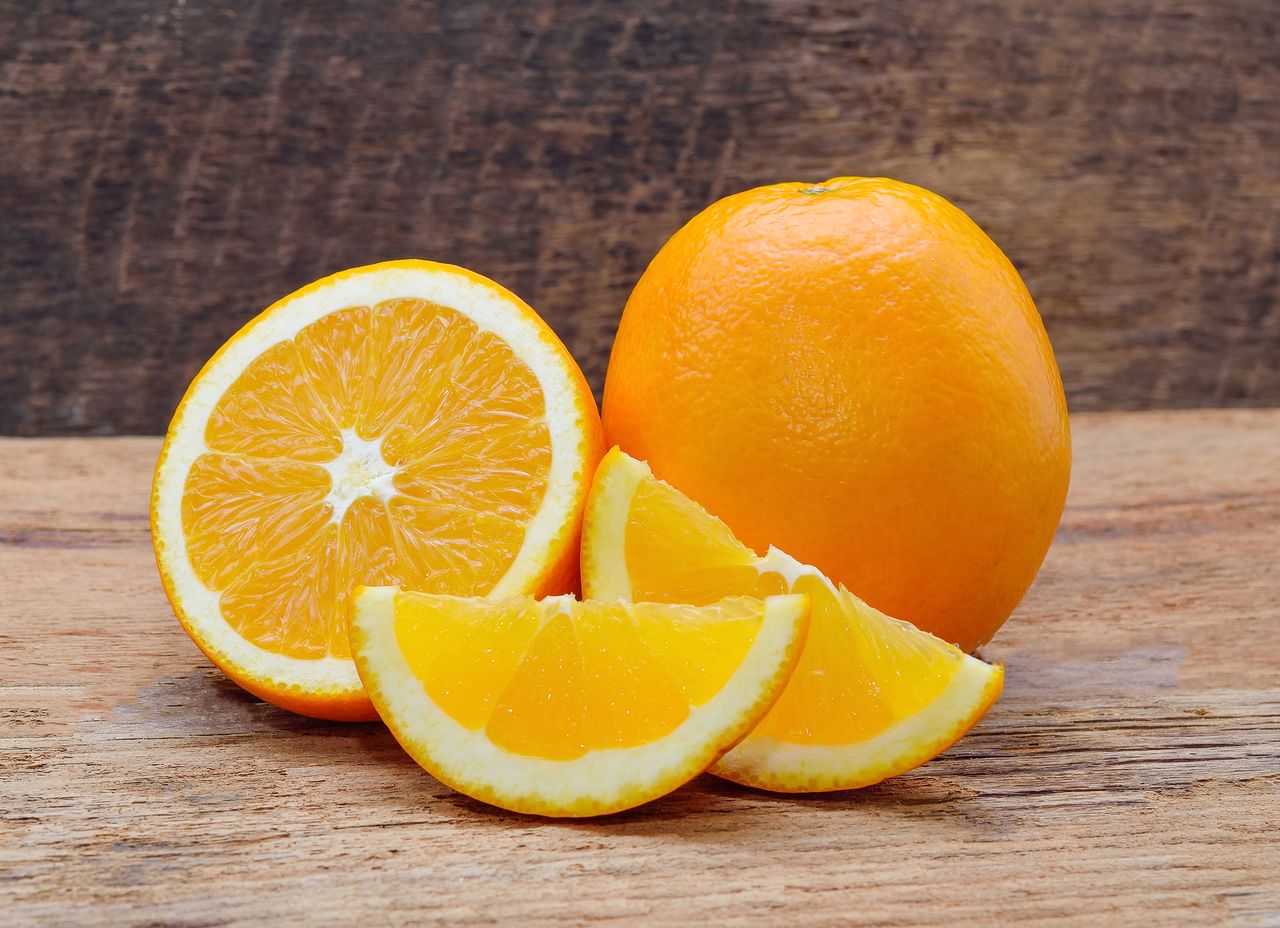
Credit: Wealthylady / Getty Images
Vitamin C: 83 mg, 92% of the DV
Classically associated with vitamin C, oranges are a great way to simplify your supplement routine. Packed with B vitamins, vitamin E, fiber, calcium, and potassium, oranges can support gut, bone, immune, and heart health.
8. Brussels Sprouts
Fresh Brussels SproutsCredit: Diana Rattray
Vitamin C: 75 mg, 83% of the DV
Brussels sprouts are often celebrated this time of year in comforting recipes like roasted veggies and hearty winter salads. They’re also filled with nutrients beyond vitamin C, including folate, manganese, potassium, phosphorus, magnesium, and fiber.
Do You Need a Supplement?
While people can meet their vitamin C needs with food, supplements may be appropriate for some.
“Individuals who have very poor appetites, limited food choices, certain digestive conditions that affect absorption, are pregnant, smoke, or otherwise may struggle to meet the recommended vitamin C needs through food alone could benefit from supplementation,” registered dietitian nutritionist Dani Dominguez, MS, RDN, told Health.
Experts generally recommend consulting a healthcare provider before starting any dietary supplement—vitamin C included.
Read the original article on Health