
Governments commit to exploring long-term operating model
Saskatchewan and the Federal government signed a Memorandum of Understanding aimed at maintaining operations at the Indian Head and Scott Research Farms.
Agriculture Minister David Marit says the research farms are an important part of Saskatchewan’s agricultural research network and help keep the province’s agriculture sector competitive.
“The Indian Head and Scott Research Farms supported important agricultural research for many years and are an important part of a research network that keeps Saskatchewan agriculture competitive,” he said.
Marit added the MOU creates an opportunity for governments and industry partners to develop a Saskatchewan-led solution that supports producers, maintains research capacity and protects the province’s reputation as a supplier of high-quality crops.
Industry groups welcome announcement
The province has been working with industry stakeholders since Agriculture and Agri-Food Canada announced plans to close the two sites.
Under the agreement, the Province and industry organizations will continue efforts to establish a new operating model to ensure agricultural activities continue at both locations.
The announcement was welcomed by a number of producer and commodity organizations.
SaskOilseeds Chair Dean Roberts said maintaining the two sites will help preserve Saskatchewan’s position as a centre of excellence for crop innovation while supporting the long-term success and resilience of farms across the province.
SaskOats Chair Elwood White said the farms have supported research that has contributed to yield improvements and agronomic advances for Prairie producers. He added growers are hopeful similar arrangements can be pursued at other research facilities facing uncertainty, including the Lacombe Research Centre in Alberta.
Research capacity viewed as critical
The Western Grains Research Foundation, Saskatchewan Pulse Growers, SaskBarley and SaskSeed also voiced support for the agreement.
WGRF Board Chair Laura Reiter said research projects conducted at Indian Head and Scott have produced practical results that farmers continue to use on their operations.
Saskatchewan Pulse Growers Chair Stuart Lawrence said preserving the sites and their infrastructure is important for ensuring Saskatchewan agriculture remains globally competitive and able to meet the needs of international customers.
SaskBarley Chair Cody Glenn described the farms as critical components of Saskatchewan’s research capacity and said industry groups are committed to working with governments to build that capacity over the long term.
Meanwhile, SaskSeed Executive Director Chris Barker said the organization is pleased the stations will continue supporting agricultural research and looks forward to participating in the next phase of discussions.
Long history of agricultural innovation
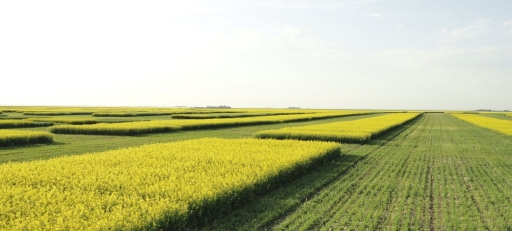
The Indian Head and Scott Research Farms have contributed to agricultural innovation in Saskatchewan for decades.
Research conducted at the sites has focused on crop production, soil health, water management, forage and livestock systems, and climate resilience under Saskatchewan growing conditions.
The province says continuing research activities at both locations will help producers adopt new technologies, improve productivity and adapt to evolving environmental and market challenges.