
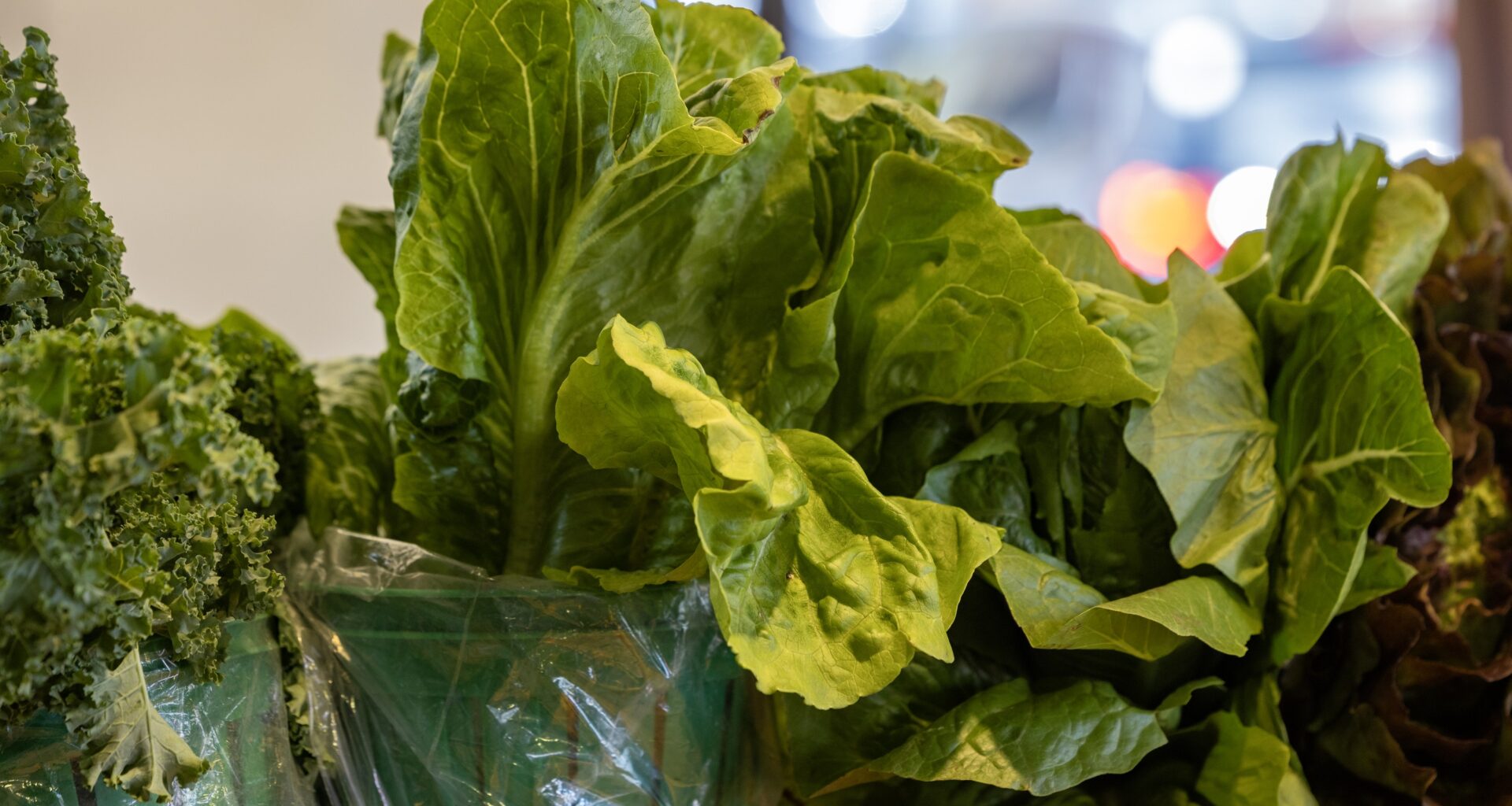
Quebecers are urged to “prioritize buying local fruits and vegetables” as the number of cases stemming from a diarrhea-causing parasite continues to rise in the province.
The recommendation comes as there have been 140 reported cases of cyclosporiasis from May 1 to July 21 in Quebec, according to the most recent data available from the province’s Health Ministry on Monday. The latest number marks “an excess compared to 40 cases the previous year for the same period,” it said.
“Given the observed increase in cases, an investigation is underway by the regional public health authorities to document exposures,” the Health Ministry said in a statement, adding it “continues to monitor the situation to identify common sources.”
Cyclosporiasis, which is caused by the parasite cyclospora, can lead to watery or explosive diarrhea, loss of appetite, bloating, cramping, weight loss and fatigue. Infection occurs through consuming water or food that contains cyclospora, with the Health Ministry noting it is “unlikely to spread from person to person.”
The U.S. Centers for Disease Control and Prevention says that while the illness is not usually life-threatening, some people can “become very ill and require hospitalization.” Without treatment, it can last anywhere from a few days to several weeks, and symptoms can relapse during that period.
The higher caseload in Quebec comes as parts of the United States continue to deal with an outbreak of cyclosporiasis, particularly in Michigan. There have been 9,253 reported cases — including 160 hospitalizations as of July 23 — in the state as of Monday.
Michigan’s health authority says its investigation is ongoing, but “available information indicates that lettuce or salad greens may be a potential source of this outbreak. However, other food items cannot be completely ruled out. No specific type of produce, grower, or supplier has been identified as the source.”
Quebec’s rising cyclosporiasis cases don’t appear to be linked to the unfolding situation in the U.S. or Michigan.
“According to the information we have so far, there are no Quebec cases associated with the current outbreak in the United States,” a ministry spokesperson said in an emailed response Monday to The Gazette.
Editor’s Picks
Opt for local fruits and veggies, and thoroughly wash produce
Cyclosporiasis is “primarily acquired through travel, mainly to Mexico for the 2026 season,” according to Quebec’s Health Ministry.
But it can also be “acquired in Canada by consuming fresh produce (fruits, vegetables and herbs) from countries where the parasite is more prevalent.”
“Quebec’s climate is less conducive to sustained environmental transmission than that of tropical and subtropical regions,” the ministry added.
There tends to be a “seasonal increase” in cyclosporiasis cases between early May and late August in Quebec each year, health authorities said. This is also the case in countries where the parasite is more common and and upticks are “documented during the same period due to the rainy season.”
The Health Ministry outlined a list of preventive measures to reduce the risk of contracting cyclosporiasis “both while travelling and elsewhere.”
Aside from recommending prioritizing “buying local fruits and vegetables” in Quebec, it also says people should wash their produce thoroughly.
Earlier this month, some shoppers in Montreal told The Gazette they had already turned to local produce amid reports that cyclospora had sickened thousands in the U.S.
Other suggestions include using safe drinking water and to be “especially careful when travelling to tropical or subtropical regions where the parasite is more common.”