
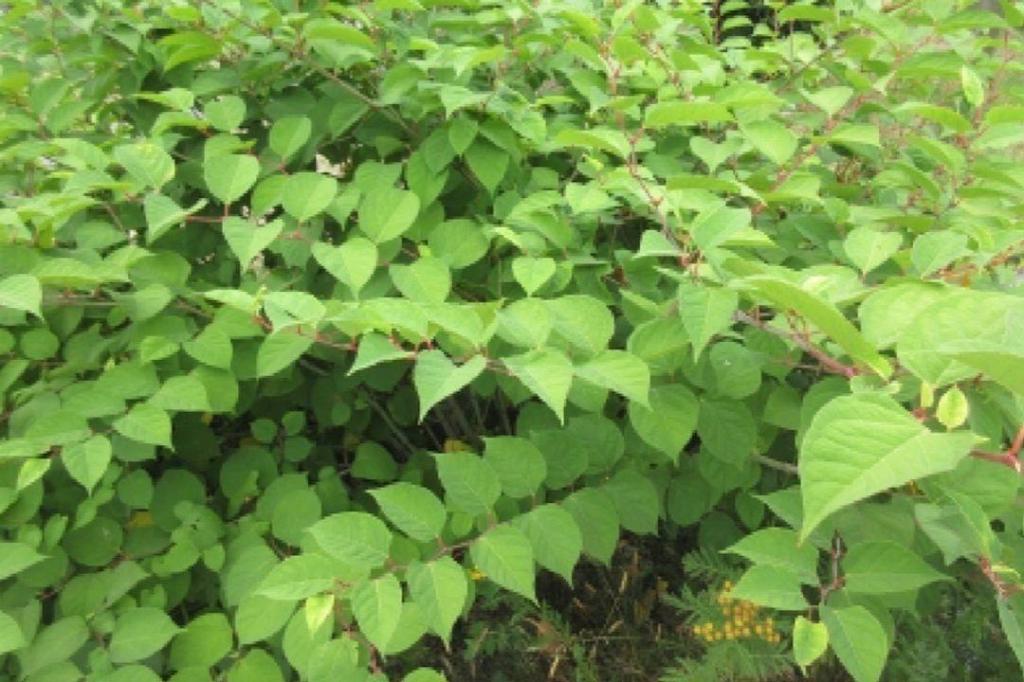
Surrey bans sale of invasive plant species
Published 9:07 pm Monday, July 27, 2026
Surrey council has imposed a ban on selling and distributing invasive plant species within city limits.
After approving a related corporate report on July 27 gave third-reading approval to three related bylaw amendments.
“I just want to say that invasive species are a problem throughout our city and actually within our entire province,” Councillor Pardeep Kooner said. “This is not by all means the end of this but it is a first step to ensure that we can at least stop the sale and stop people from unknowingly purchasing invasive species.”
City staff will draft business bylaw amendments and appeal to the provincial government for a review and approval process that will take between three and six months, and will also contact local commercial plant sellers, nurseries, large retailers, aquarium suppliers and florists to advise them about the new rules.
The report from Ron Gill, Surrey’s general manager of planning and development, notes that a “primary pathway” of introduction into the ecosystem is retail sales of ornamental and aquatic plants and “invasive plant species are non-native plants that establish, spread rapidly, and out-compete native vegetation, resulting in impacts to biodiversity, ecosystem function, and municipal infrastructure.”
Gill said city staff have confirmed invasive plants are “actively sold in Surrey today.
“Under the Community Charter, municipalities have authority to regulate activities related to environmental protection, including the sale, distribution, and planting of invasive species, subject to provincial approval, where required,” Gill explained.
Surrey’s business license bylaw, however, doesn’t carry the authority to require private land owners to remove or control invasive plant species from their property or prohibit non-commercial transfer or sharing of such plants between individuals “where no business transaction occurs.”
Gill said city staff explored regulatory approaches involving enforcement on private property but “are not recommended at this time, to avoid punitive enforcement and instead focus on prevention, education, and voluntary removals.”
That said, he added the management of invasive species on private property can be dealt with through Surrey’s property maintenance and unsightly premises bylaw.
Gill said terrestrial and aquatic invasive plants will be targeted by the proposed ban but aquatic ones “are a priority because of their impacts on drainage systems, water quality and the high cost and complexity of management once established; they are commonly introduced through nursery and aquarium-related sales.”
Meantime, the non-profit Invasive Species Council of Metro Vancouver developed a priority-ranking tool scoring 94 regional invasive plants. “As this tool has done the work to prioritize the species of concern in the Metro Vancouver area, staff recommend using the species included in this list,” Gill said.
The sales ban will not apply to “agricultural crops or food or plant species grown and sold as agricultural crops or food products; and dead plant material that is no longer viable or capable of propagation.
“Live plant material and viable seeds remain subject to the sales prohibition,” Gill explained in his report.
“Invasive animals, fish, and insects are already addressed under existing Provincial regulations and are outside the scope of this initiative.”
A lengthy list of invasive plant species is contained in the corporate report.