
 9 min read
Bicycles are extraordinarily good now. They are also still capable of creating stupidly specific problems.
In some ways, the more refined the bike becomes, the stranger the irritation. An integrated cockpit looks beautiful until you want a different stem. An elegantly shaped frame has nowhere to put another bottle. An electronic derailleur shifts perfectly until its battery is sitting on the charger and you are standing at the trailhead.
The answer is often not another major upgrade. It is a particular little part—sometimes cheap, sometimes emphatically not—made by someone who was annoyed enough to solve the exact same problem.
That is what connects the products here. One is a full hitch rack; another is a fake battery with a red tag attached. Some address fit and comfort. Some create room where there was none. Others restore choices that increasingly proprietary bikes have taken away.
None will matter to every rider. But each can make the right rider’s bike—or the life around it—meaningfully easier.
SQlab
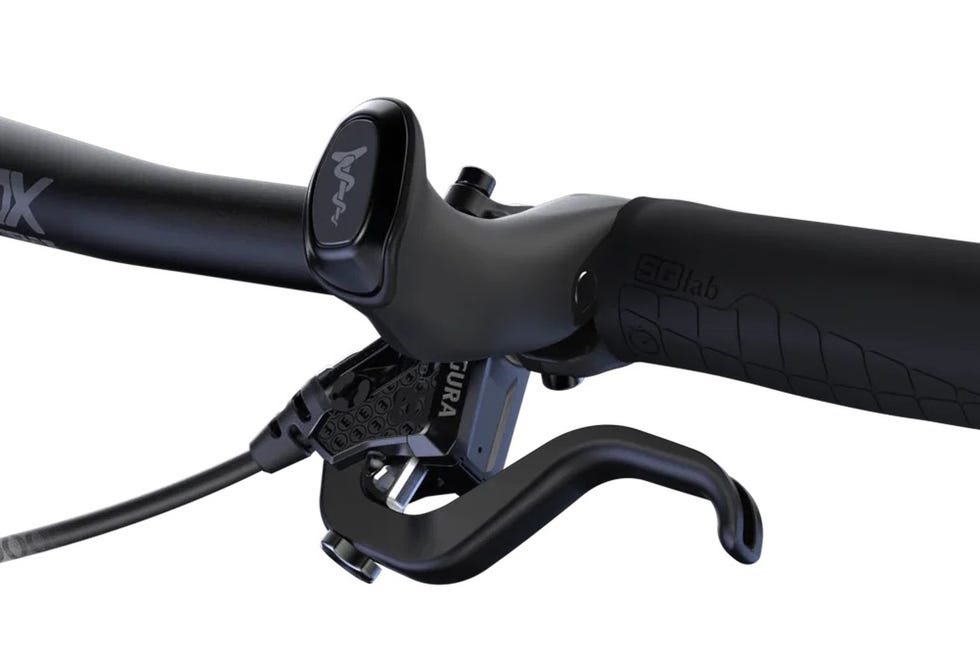
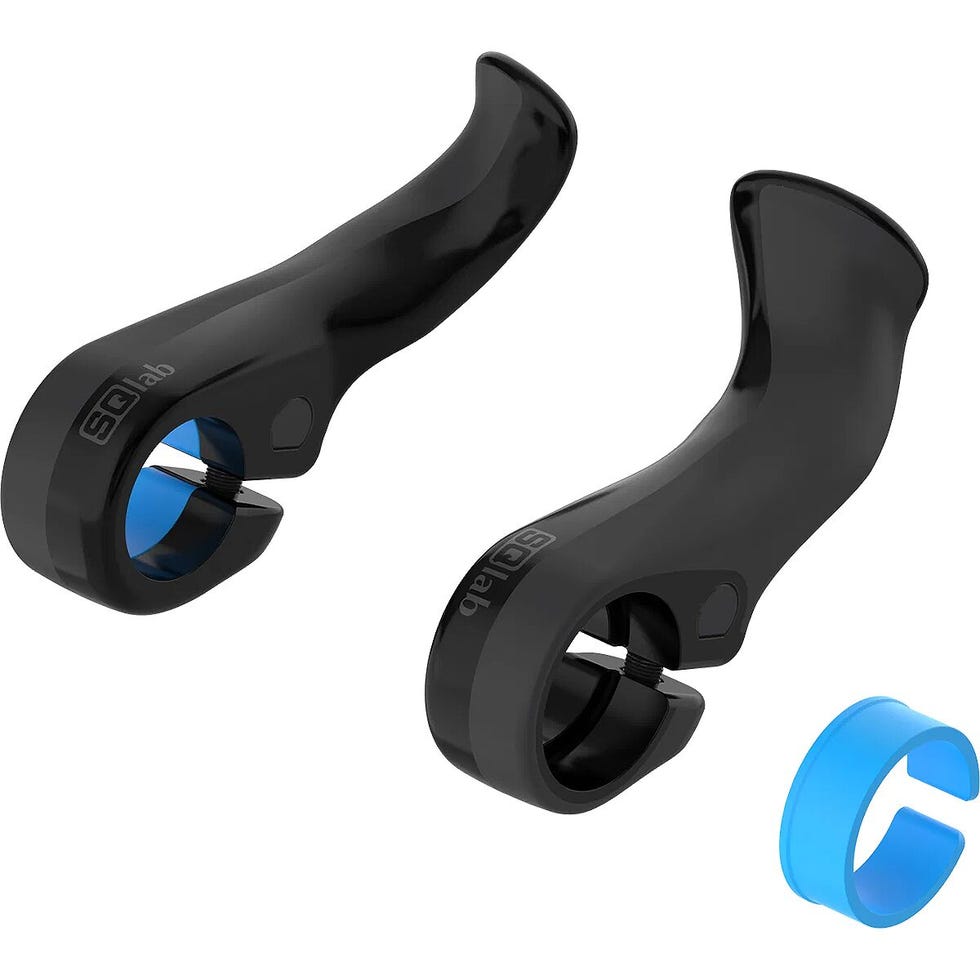
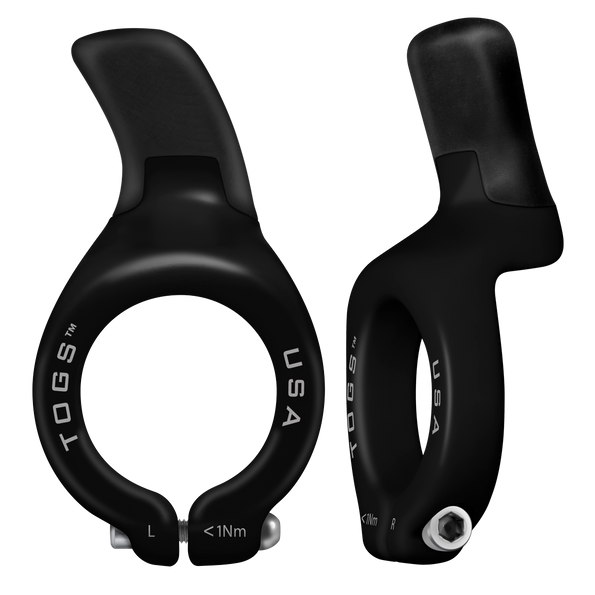
SQlab Innerbarends and TOGS FlexAdd another hand position to a flat handlebar.
A flat handlebar provides control, but not much variety. On a long climb or an all-day ride, leaving your hands in essentially one position can get uncomfortable.
Below are two products I’ve installed on my own bikes and ridden extensively that help solve the issue.
SQlab’s Innerbarends create an inboard perch that lets you narrow your arms and rotate your wrists. As the name suggests, they’re like the bar-ends of yesteryear, but inboard.
TOGS Flex takes a lighter, simpler approach, with small hooks that provide a different position to rest your thumbs while still providing nearly full control of the bike’s steering.
The SQlab option provides a more meaningful change in position; TOGS is lighter, occupies less space, and doesn’t look as odd. Neither replicates a drop handlebar’s hand-position options, but both give tired hands somewhere else to go on long climbs, smooth trail, and gravel or pavement connectors.
QuikrStuff
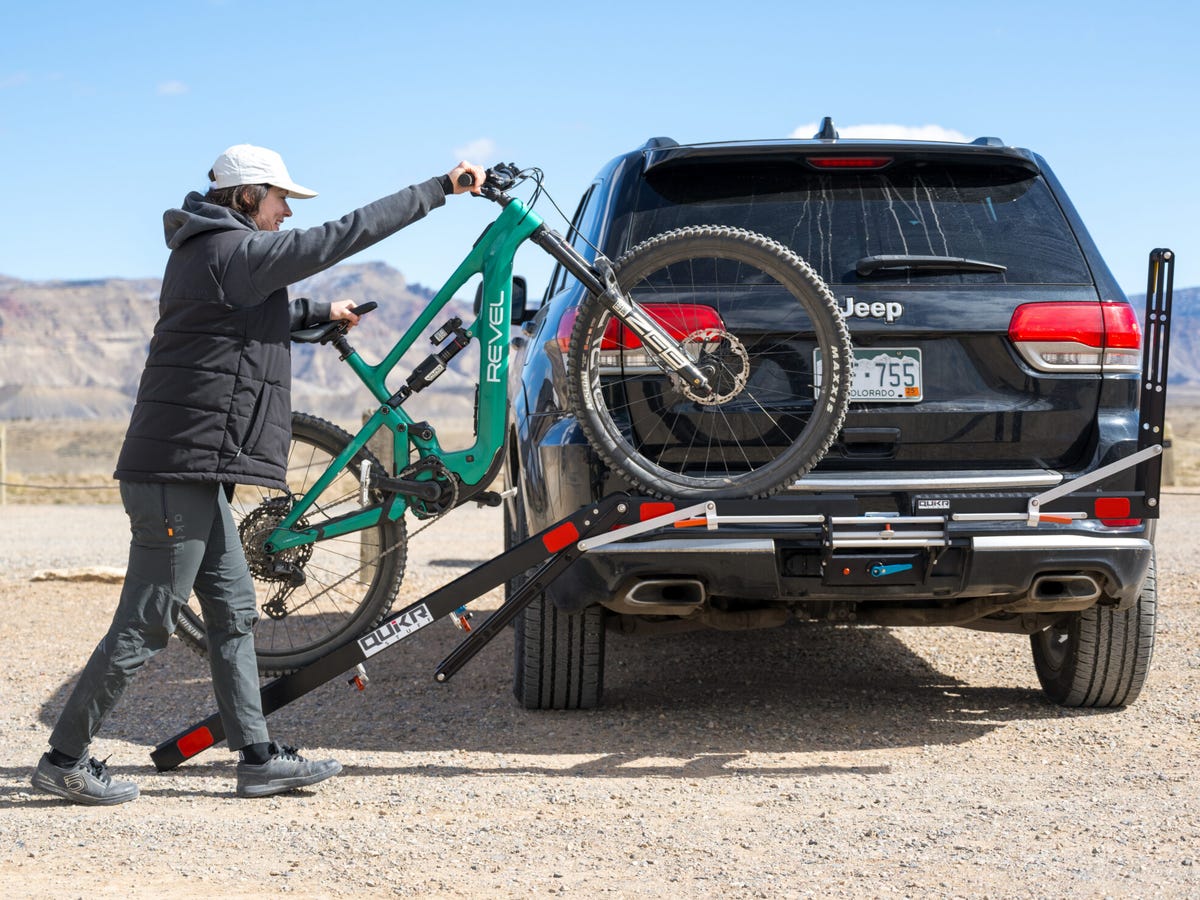
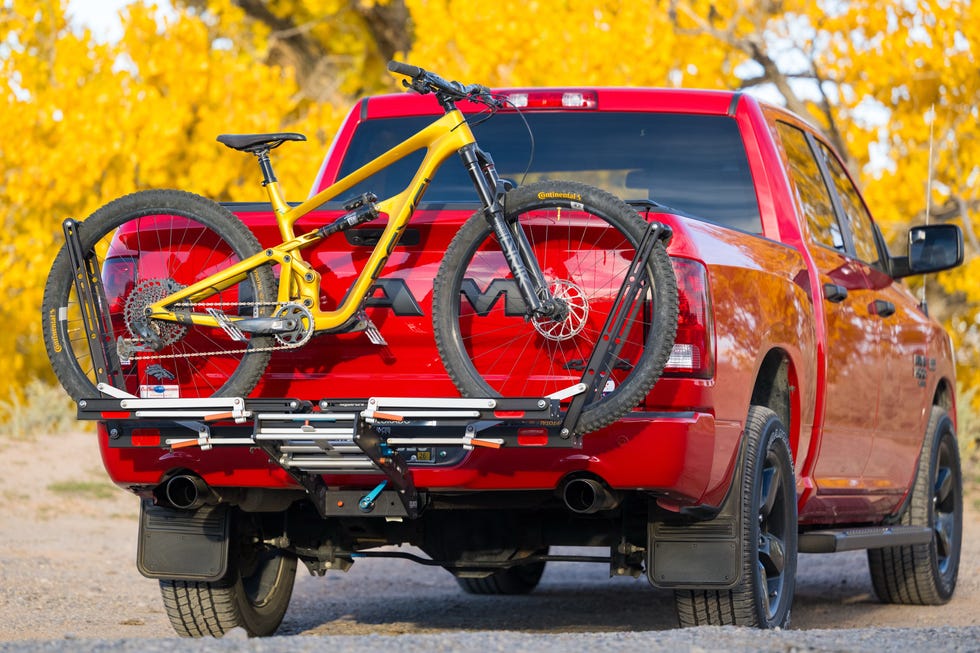
QuikrStuff Quik Rack Mach2A hitch rack that is easier to load, expand, and live with.
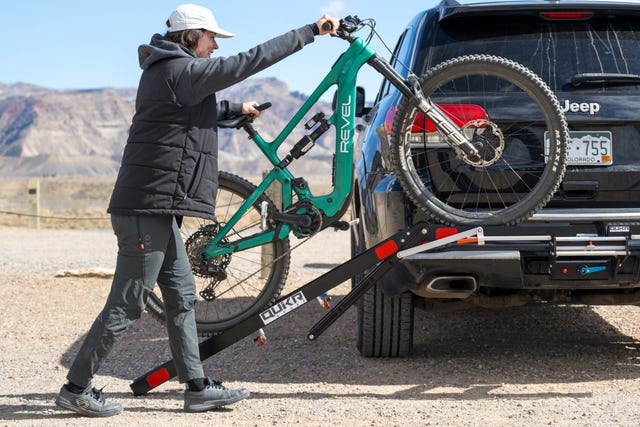
The Mach2 starts as a one-bike rack, then accepts individual add-on trays when you need more capacity. That modular and quick-release design means you do not have to haul or store a larger rack every day just because you occasionally carry several bikes. It is secure, fast, and easy to load, and accepts wheels from 12 to 29 inches or 700c, tires up to 5 inches wide, and wheelbases up to 56 inches without adapters.
QuikrStuff
Made and assembled in Grand Junction, Colorado, the Mach2 is almost entirely metal—mainly anodized aluminum, with stainless steel fasteners, brass bushings, and only a few Delrin parts.
From experience, that matters. Having gone through a few racks made with a lot of plastic because they wither in the sun and other elements, I switched to an all-metal rack like the QuikrStuff over a decade ago, and it’s going strong with no issues along the way.
QuikrStuff
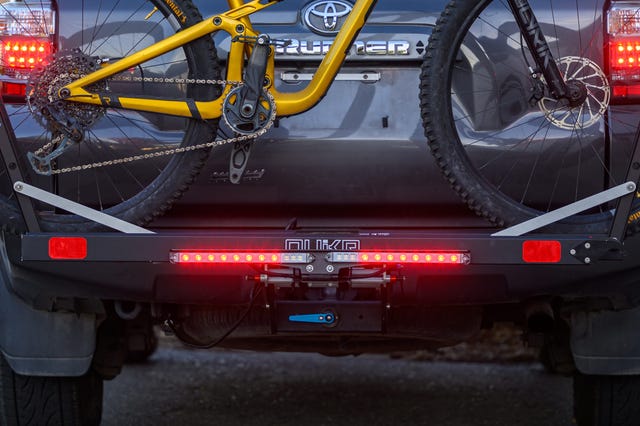
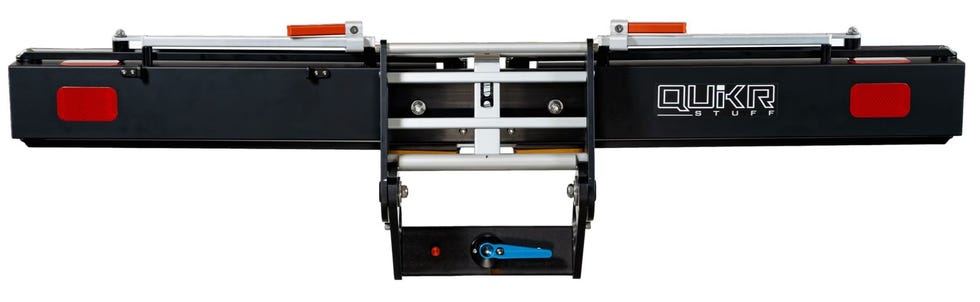
The optional ramp lets you roll a heavy e-bike onto the tray instead of lifting it. When not in use, the ramp attaches and locks to the end of the rack, so it is always handy. Optional light bars restore brake, turn-signal, and taillight visibility, while license-plate mounting options solve the problem of a plate obscured by the rack or bikes, which can lead to a stop and ticket. The separate tray-mounted plate kit does not integrate with the light bar, which has its own plate-holder option.
QuikrStuff’s racks are expensive. But they are also unusually complete, durable, and adaptable.
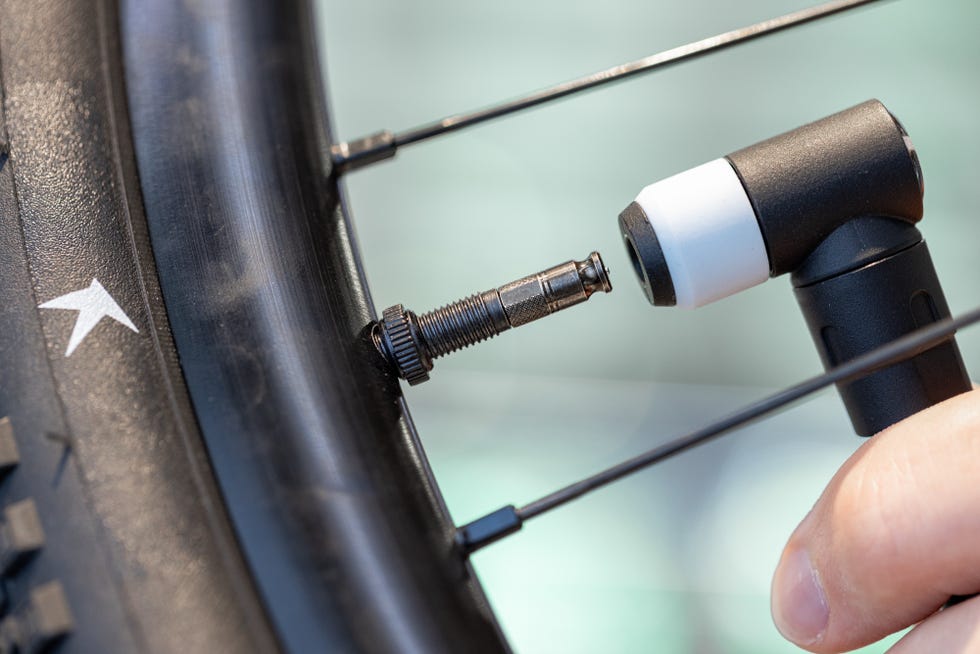
Clik Valve replaces the presta core with a simpler and more robust … valve.
Clik ValveMakes tire inflation easier and less fragile.
A year ago, I would have been more cautious about putting Clik Valve on a list like this. Not because the idea was bad, but because cycling is full of neat little fixes that arrive with a burst of enthusiasm and then quietly wander off into irrelevance.
That is not what this looks like anymore.
Clik Valve is no longer just a curiosity story. There is now a large enough ecosystem around it—conversion kits, tubeless valves, TPU tubes, gauges, pumps, and pump heads from multiple companies—that it feels like something that is here to stay.
More importantly, it solves a real irritation. Presta valves are delicate and fiddly. You have to manually open them. You have to manually close them. You have to remove a pump head just right and hope the valve core stem doesn’t bend. Clik Valve gets rid of a lot of that nonsense with a press-on, pull-off interface and no need to manually open and close the valve for inflation.
There is another advantage here that matters more than bike nerds sometimes remember: usability. In a recent Bicycling story, rider Rich Kerbel explained that familial tremors can make delicate Presta valves frustrating and easy to damage. What appealed to him about Clik Valve wasn’t trendiness. It was that the system felt easier to use and less fragile.
That, to me, is the best argument for Clik Valve. Not that it is trying to win some valve holy war. Just that it seems to make one of cycling’s dumbest little chores easier, cleaner, and less fragile.
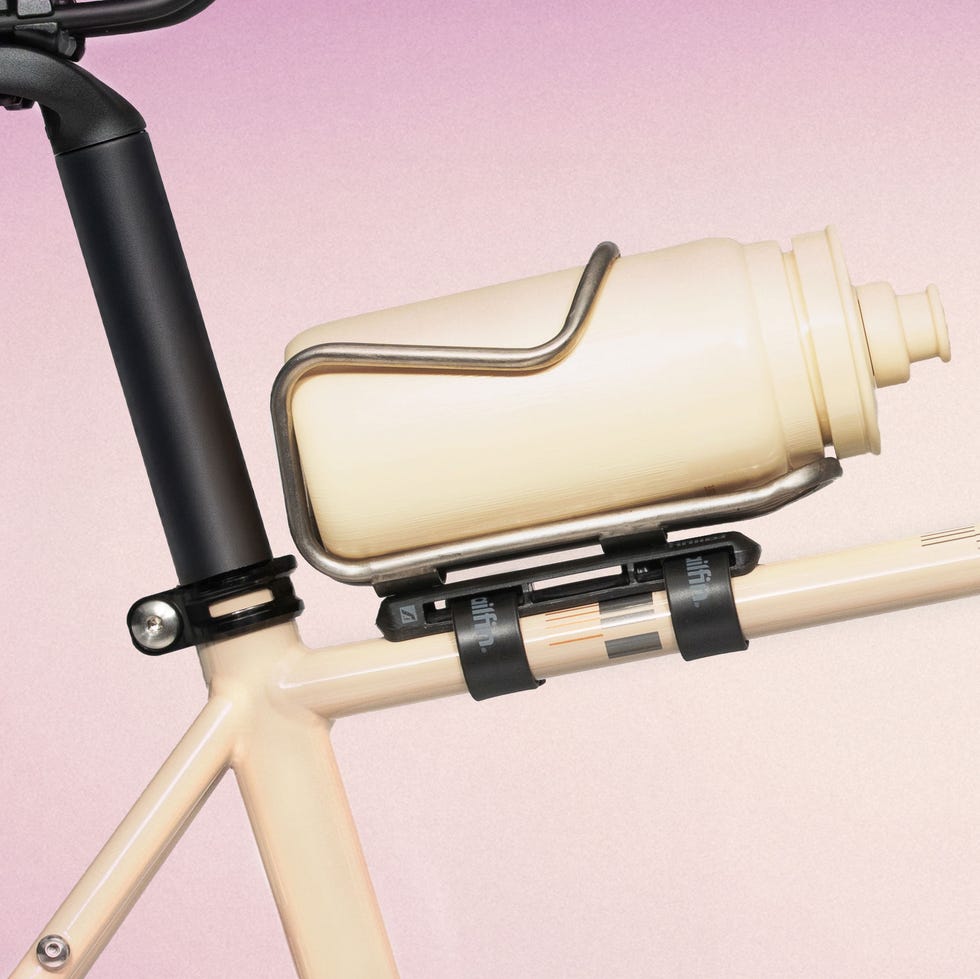
 Tailfin
Add an extra bottle or cargo carrier almost anywhere.
Tailfin HydroMountTurns unused frame space into useful carrying space.
A lot of bikes do not have enough places to carry what you need. That problem gets worse on small frames, oddly shaped frames, and bikes already set up with a frame bag.
The Tailfin HydroMount straps the frame and adds standard bottle-cage mounting points. That means it can carry not only another bottle cage, but also compatible tool mounts, small cargo cages, and other accessories using the same 64mm bolt spacing.
It is useful for gravel bikes, bikepacking setups, older frames, and any bike that runs out of mounting points before it runs out of jobs. The full three-strap setup has a claimed load capacity of 1.5 kilograms, though positioning and frame protection still require some thought.
 Matt Phillips
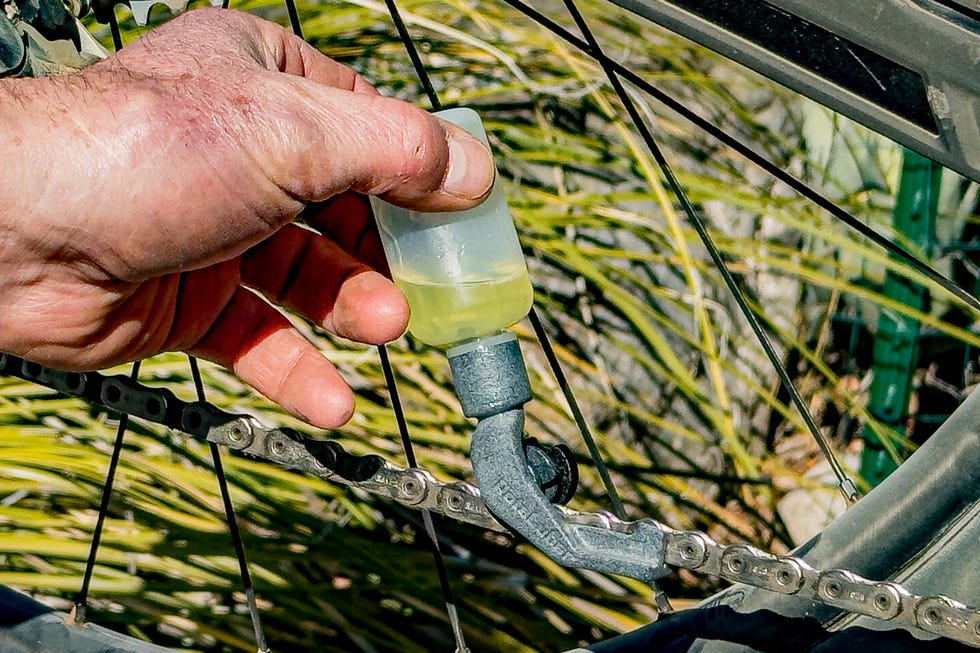
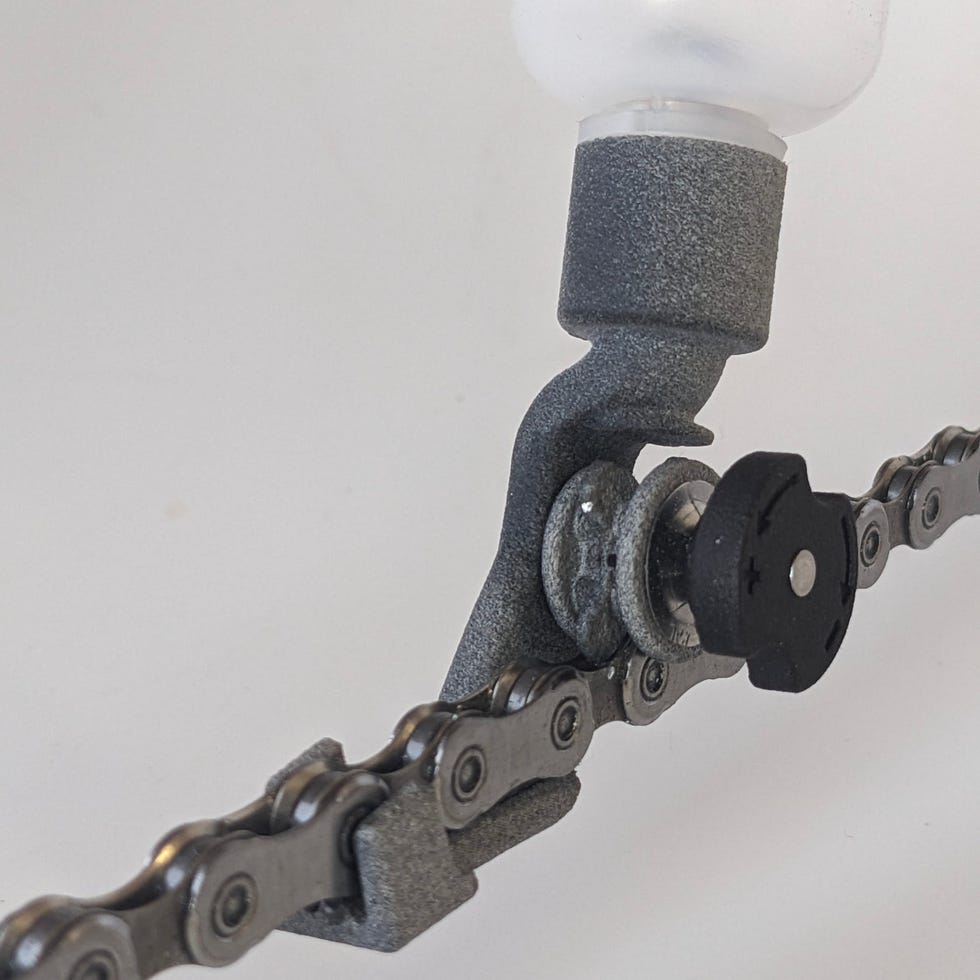
RotaLuber puts the lube only where you need it and not all over the outside of the chain.
RotaLuberMakes chain lube cleaner, faster, and less wasteful.
Lubricating a chain should be simple. Somehow, it remains fussy, messy, and easy to do badly.
The goal is not coating the outside of the chain in shiny wet stuff and feeling accomplished. The lubricant needs to reach inside the chain and into the spaces around the rollers and pins.
RotaLuber is built around that actual job. As the chain passes through the tool, it deposits liquid lubricant at the roller gap and rotates the rollers to help draw the lubricant inward. In practice, it is faster, cleaner, and less wasteful than dripping lubricant onto every link and hoping your aim remains good.
It does not excuse the rest of the job. The chain still needs to be clean, excess lubricant still needs to be wiped away, and emulsion wax lubricants require additional care to prevent the tool from clogging. But the idea is sound, and more importantly, it is useful.
 MagCAD Designs
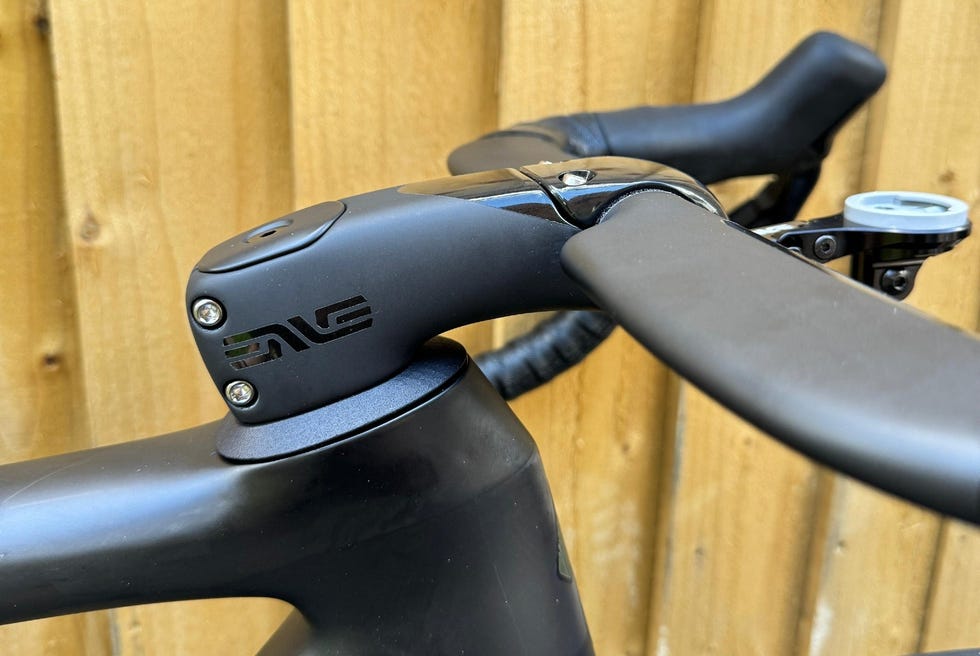
With the correct adapter, you can use Enve InRoute components on a Specialized Tarmac SL8.
MagCAD Internal-Routing AdaptersGive proprietary bikes more cockpit options.
Modern road bikes look cleaner than ever. They are also more annoying than ever when you want to change something at the front end.
Hidden routing and proprietary cockpits can narrow a rider’s choices. Buy one bike, and suddenly its handlebar, stem, spacers, bearing cover, and hose-routing path belong to one closed system. That is fine until the stock stem does not provide the fit you need or the handlebar shape makes your hands miserable.
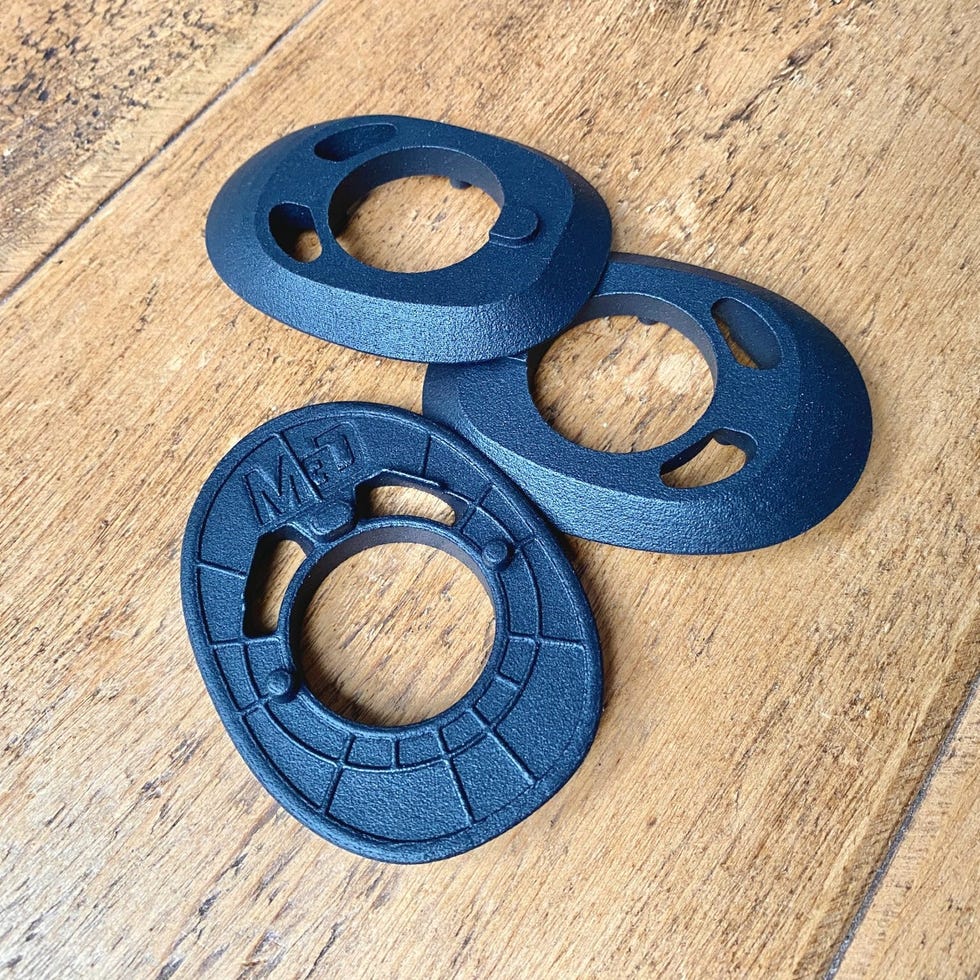
MagCAD makes 3D-printed bearing covers, spacers, and adapters that let riders combine some frames and cockpits that were not originally designed to work together. One example adapts an Enve IN-Route stem to a Specialized Tarmac SL8 while retaining fully internal hose routing.
There are limits. Not every combination is available, appropriate, or worth the labor. Steering and internally routed brake components should be installed by a competent mechanic and inspected regularly. But when the correct part exists, it can restore a useful degree of freedom to a bike designed without much of it.
 Fair Bicycle
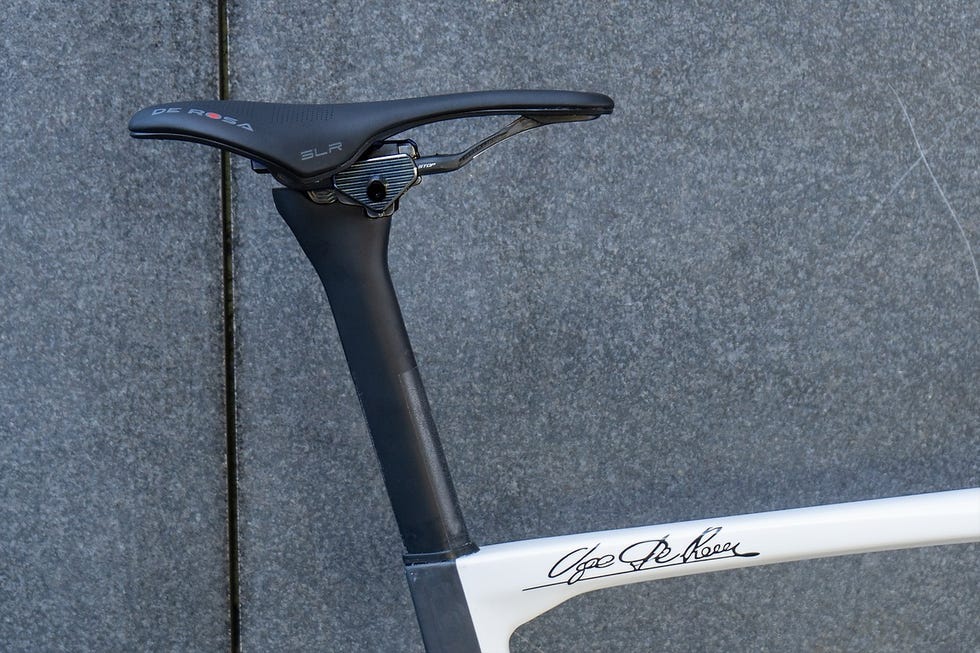
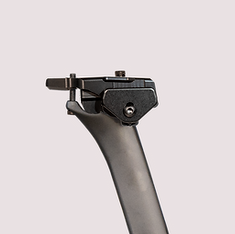
Get a more forward—or rearward—saddle position without purchasing a new seatpost.
Fair Bicycle Drop Best UC RoadFixes saddle setback without requiring another seatpost.
Simple fit changes have become strangely difficult.
When most bikes used round seatposts, a rider who needed more or less setback could install a different post. Many modern bikes use proprietary seatposts, and the alternate-offset post you need may be expensive, difficult to find, or nonexistent.
Fair Bicycle’s Drop Best UC Road replaces the original saddle-clamp hardware and can add 27 mm of forward (or rearward) offset to many posts with vertical clamp bolts. It adds a little weight and another layer of hardware, but it can solve a fit problem that would otherwise require a new seatpost or a different frame.
I bought one for my first-generation Otso Waheela C. I love that bike, but its slack seat-tube angle prevented me from getting the saddle far enough forward, even with a zero-offset post. The Drop Best UC Road gave the bike new life.
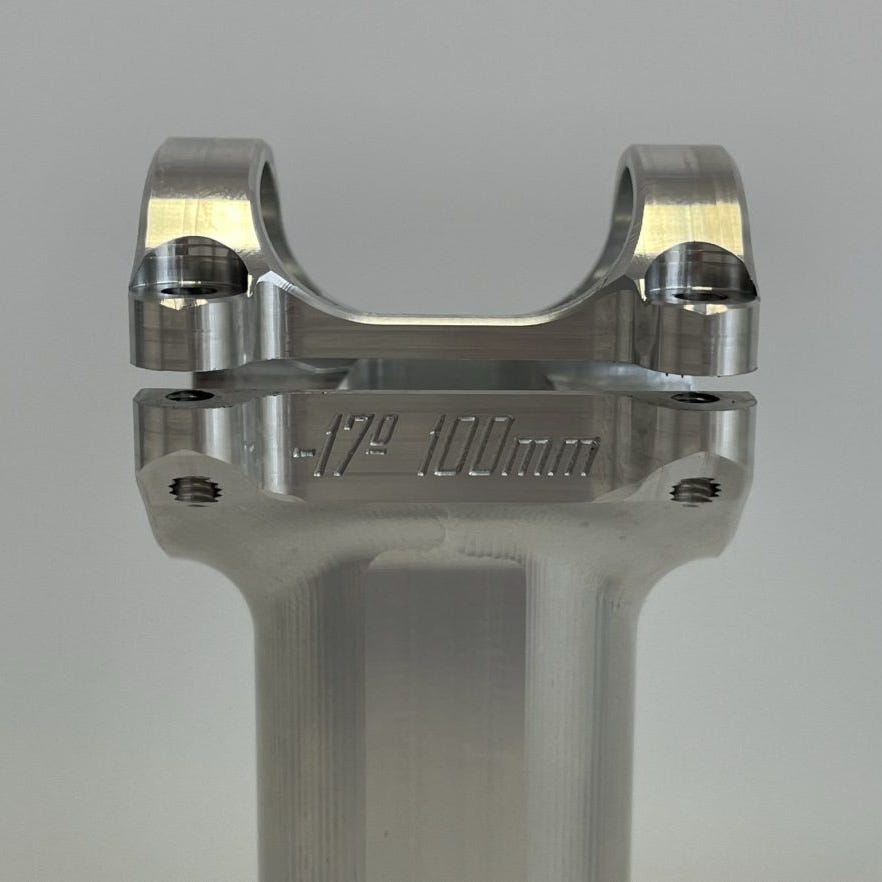
Darimo will custom make you a stem in (almost) any dimension for a perfect fit on your bike.
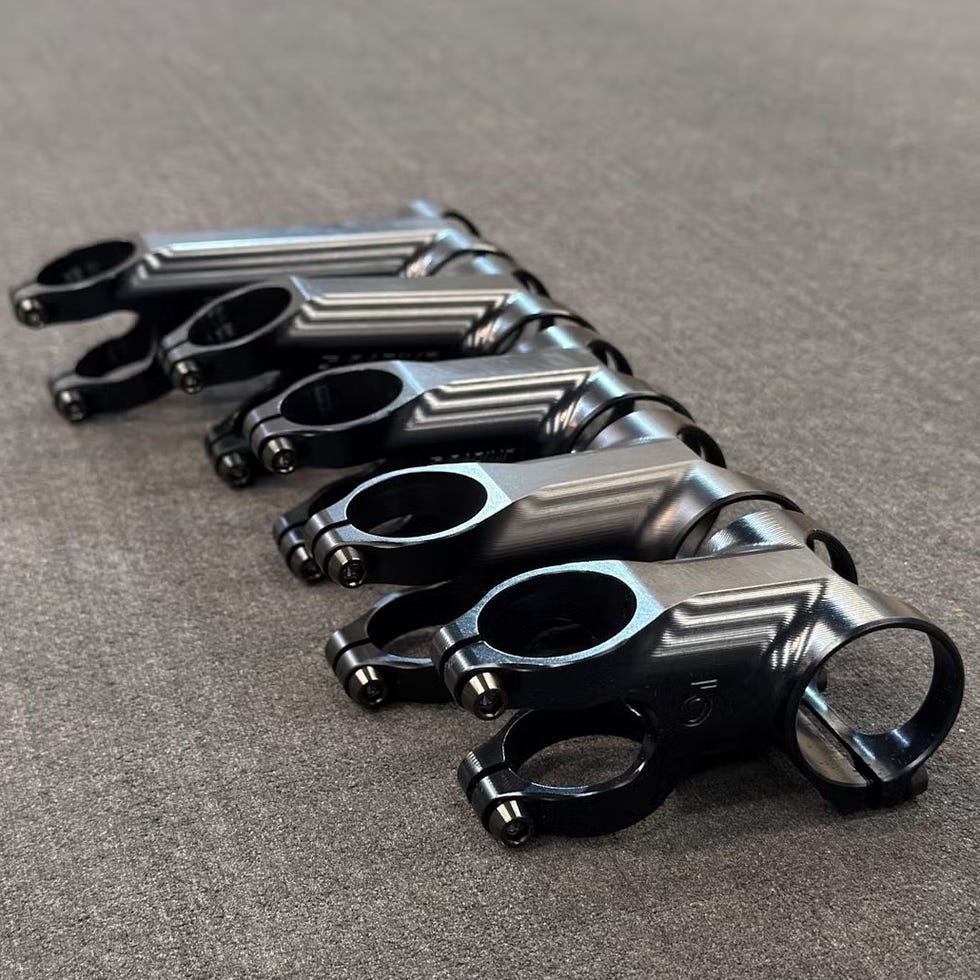
Darimo Custom StemSolves hard-to-fix fit problems with exact sizing.
Most riders can find a workable position with a standard stem. But “workable” is not always the same as right—especially when the needed length or angle falls outside the usual choices.
Darimo’s IX2AL stem is CNC-machined from 7075 aluminum and offered in an unusually broad range of standard lengths and angles. Darimo will also make custom dimensions and offers personalized colors and engraving. That makes it an expensive but unusually elegant answer to a fit problem that an off-the-shelf stem cannot solve.
One compatibility caveat: Its integrated (non-removable) faceplate limits which road handlebars can pass through the clamp, so buyers should confirm compatibility before ordering.
 The Bike Sauce
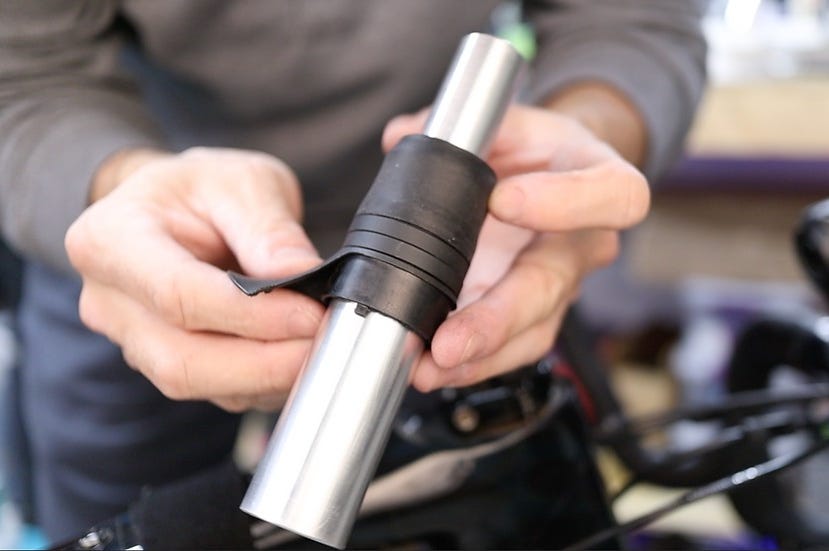
Save weight and reduce maintenance demands by removing the FutureShock
Specialized Future Shock DeleteRemoves a feature some riders simply don’t want.
Specialized’s Future Shock makes perfect sense to some riders and no sense to others.
Some appreciate the added comfort and control. Others do not want the weight, movement, service demands, or complexity. Once you decide you do not want it, the question becomes simple: Is there a clean way to remove it?
The Bike Sauce’s standard Future Shock Delete kit replaces Future Shock 1.0, 1.5, 2.0, and 3.0-series cartridges with a rigid aluminum insert while preserving the original stack height and factory appearance. The separate FSD Slammer removes the Future Shock and lowers the handlebar by a claimed 30 to 50 mm, though it also requires a conventional 1⅛-inch stem.
These are not casual bolt-ons. The manufacturer warns that improper installation can allow the handlebar to separate from the bike, recommends installation by a qualified professional mechanic, and notes that the conversion may affect Specialized’s warranty.
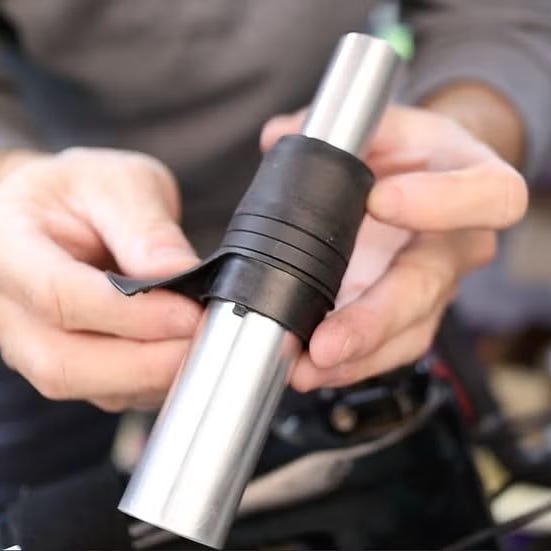
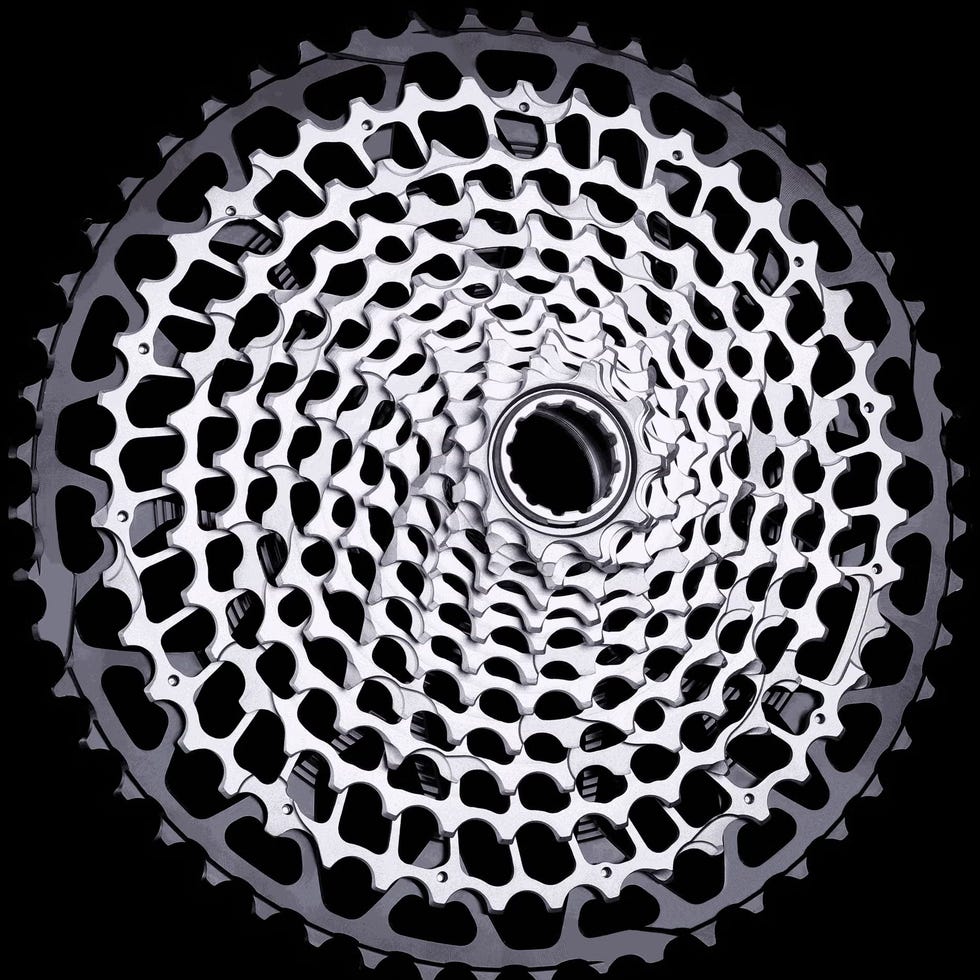
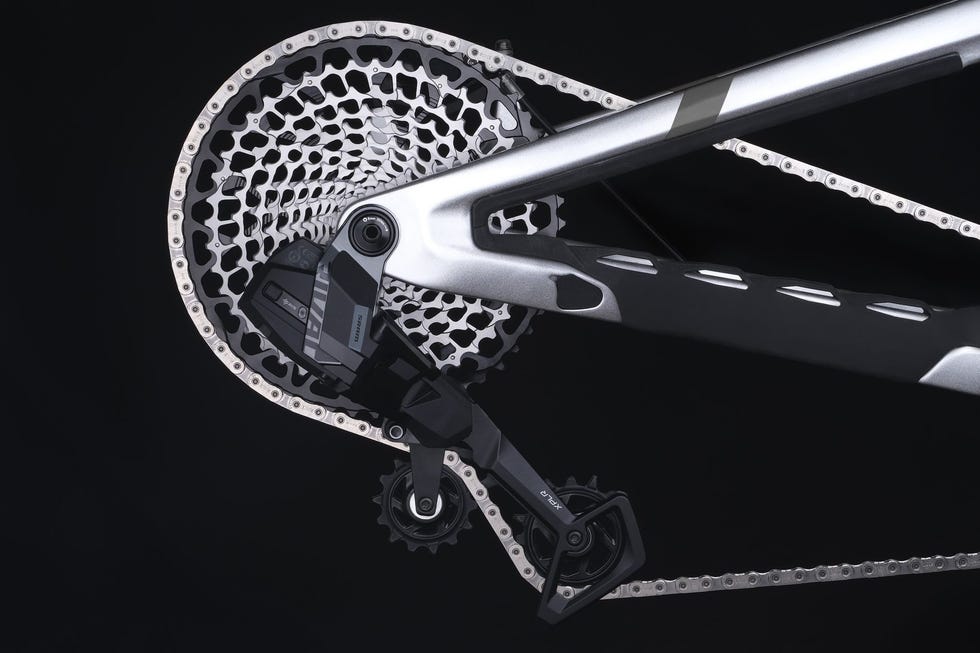 Garbaruk Cassette for Wider-Range 13-Speed SRAM XPLRAdds easier climbing gears to your gravel setup.
SRAM’s 13-speed XPLR drivetrain is very good. But if you ride loaded gravel routes, steep dirt roads, or the sort of ugly climbs that make you reconsider your gearing and several of your life choices, the stock 10-46t cassette can feel stingy.
Garbaruk’s Gen 2.0 cassette expands the range to 10-52t. It lets riders retain the spacing and general character of the XPLR drivetrain while adding a meaningfully easier lowest gear.
Compatibility requires attention. Garbaruk says the cassette works with stock Force and Rival XPLR derailleur cages, though it offers an optional replacement cage. Red XPLR requires the Garbaruk cage because its thicker stock carbon cage cannot consistently clear the 52-tooth sprocket. The cassette fits an XD freehub and includes a spacer for XDR applications.
Plenty of riders will be satisfied with the stock gearing. But for someone who likes XPLR and regularly wishes for one more bailout gear, it solves a specific and legitimate problem.
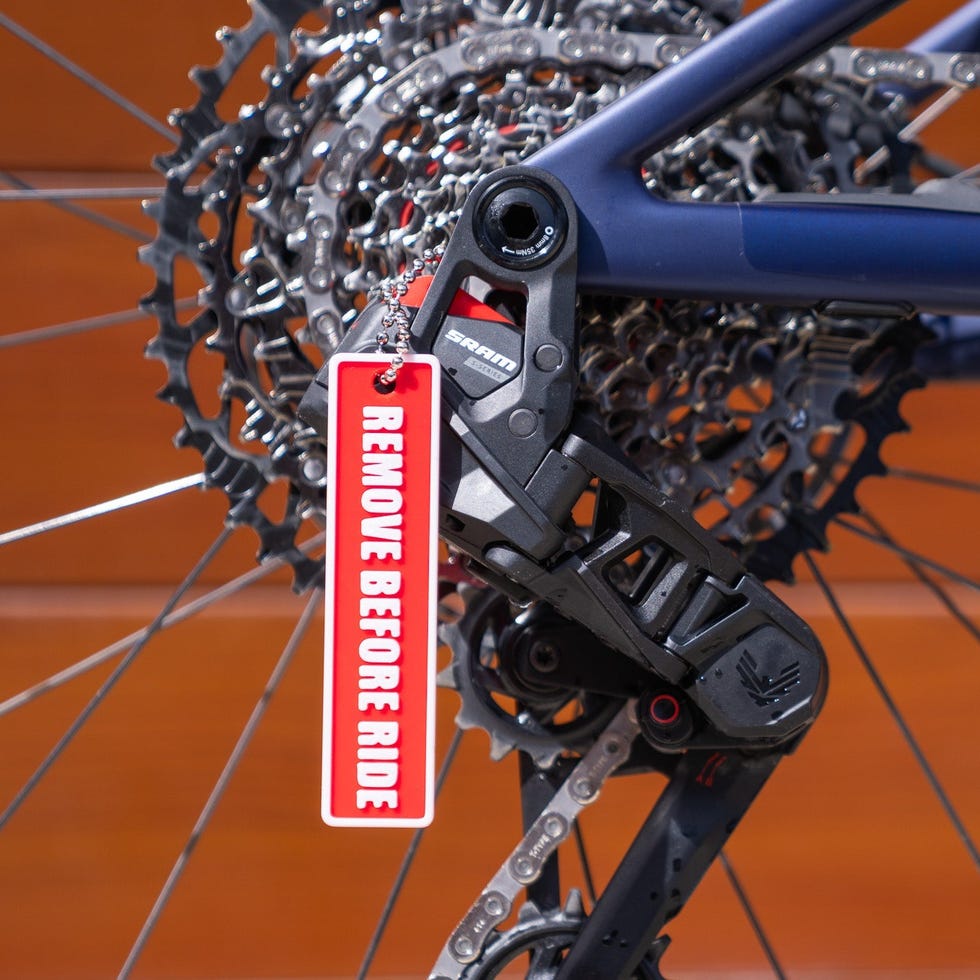
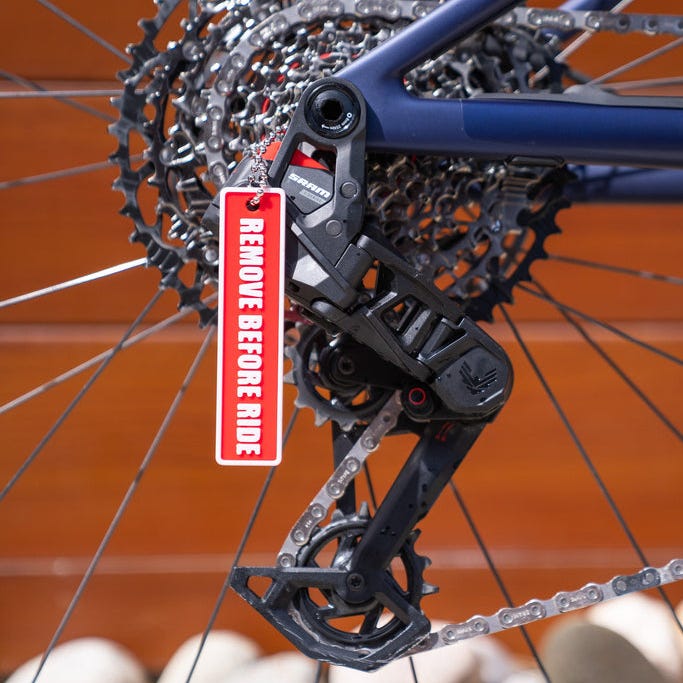 BackroadsLab “Remove Before Ride” AXS Placeholder BatteryPrevents a dumb mistake before it ruins your ride.
Some products solve large problems. This solves a tiny one.
If you remove a SRAM AXS battery for charging, travel, or storage, it is remarkably easy to leave it on the charger and roll out—or drive to a ride—with an empty derailleur battery slot.
BackroadsLab’s placeholder fits into the derailleur in place of the real battery and hangs an oversized red “Remove Before Ride” tag from the bike. It also covers the electrical contacts and helps protect the derailleur’s exposed battery latch during transport or storage.
Compatibility is not universal: Some AXS derailleurs have a battery cover or cage that interferes with the placeholder, so owners should check their exact model before ordering.
Organized people may not need it. Good for them.
For everyone else, this is a smart little object that can prevent a disproportionately irritating mistake.
 Member Exclusive: Check Out Our Top Cycling Stories


A gear editor for his entire career, Matt’s journey to becoming a leading cycling tech journalist started in 1995, and he’s been at it ever since; likely riding more cycling equipment than anyone on the planet along the way. Previous to his time with Bicycling, Matt worked in bike shops as a service manager, mechanic, and sales person. Based in Durango, Colorado, he enjoys riding and testing any and all kinds of bikes, so you’re just as likely to see him on a road bike dressed in Lycra at a Tuesday night worlds ride as you are to find him dressed in a full face helmet and pads riding a bike park on an enduro bike. He doesn’t race often, but he’s game for anything; having entered road races, criteriums, trials competitions, dual slalom, downhill races, enduros, stage races, short track, time trials, and gran fondos. Next up on his to-do list: a multi day bikepacking trip, and an e-bike race.