
Quebec’s social services minister says he learned in May of three deaths of children under the care of the Batshaw youth protection agency, but didn’t see a need to share the information with the public.
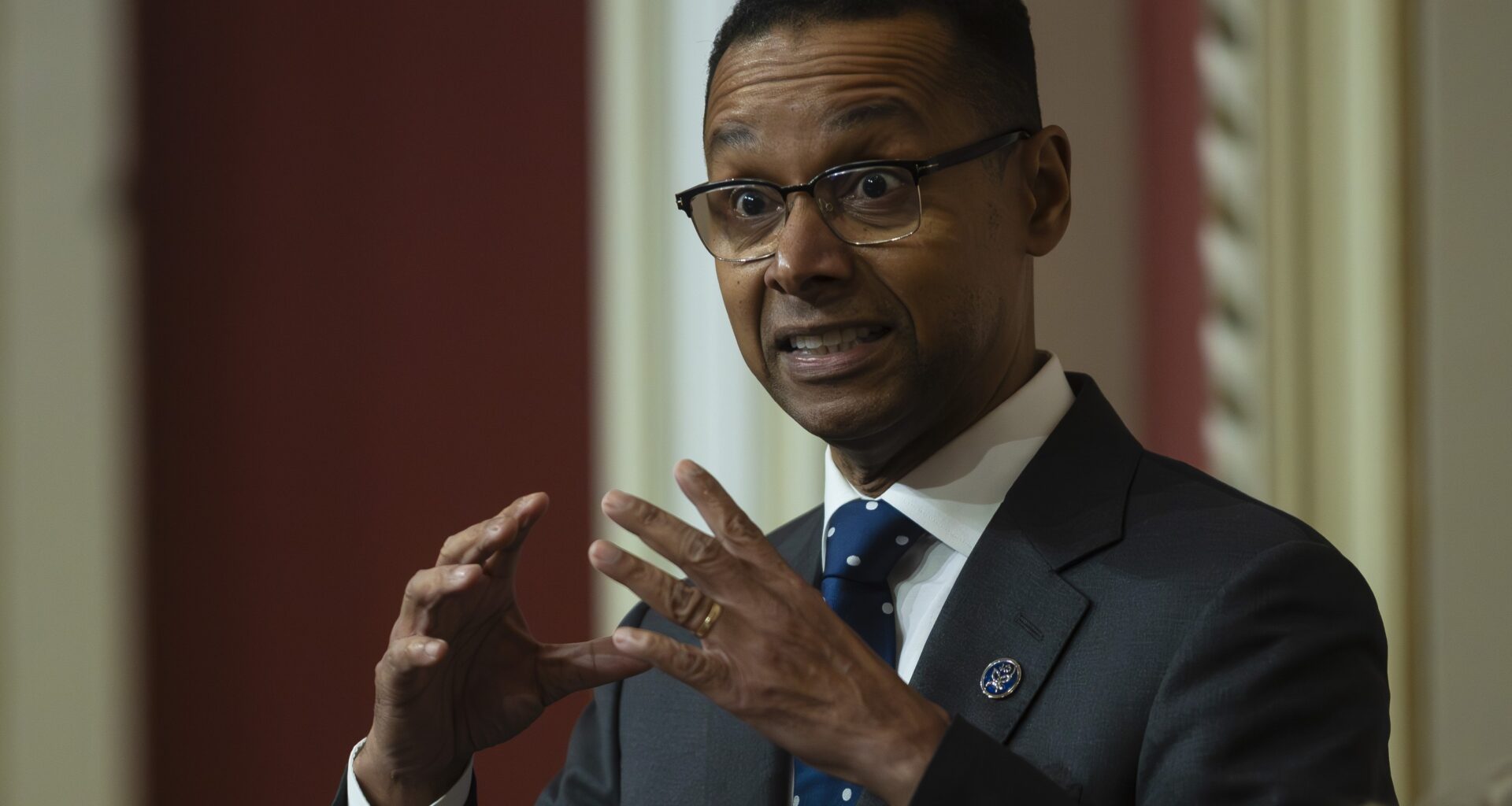
Lionel Carmant offered his first public comments on the deaths Wednesday, six days after The Gazette revealed that three children died in March while under the care of Batshaw Youth and Family Centres.
Carmant, who resumed his social services portfolio in late April after a five-month hiatus from the Coalition Avenir Québec caucus, said in an interview that Santé Québec and the Health and Social Services Ministry already had an action plan in place when he learned about the deaths in May.
“What came out last week was not news to me,” the minister told The Gazette. “I’ve been on the subject since I came back into the position.”
The Gazette reported last week that a four-year-old girl and two teenagers died in March while under the care of the Batshaw agency, which provides English-language services to children across the island of Montreal.
The four-year-old, who had bruises on her body and showed signs of malnutrition when she died, was supposed to receive regular visits from Batshaw workers, but she hadn’t been visited in months after the caseworker assigned to her switched departments.
A 17-year-old boy had been waiting months for Batshaw to assign him a caseworker when he took his own life. The other child, a 16-year-old girl, also died by suicide.
“I’m not sure what would be the advantage of publicly coming out with this information,” Carmant said when asked why deaths in youth protection aren’t reported to the public.
“Children die in the neonatal unit every day,” he said, but their deaths also aren’t reported as they happen.
The coroner is investigating all three deaths, he said, and “as minister, I have to wait for the conclusions of the investigation.”
Carmant said he meets regularly with Santé Québec and the Health and Social Services Ministry to discuss the situation at Batshaw and that the agency put in place an action plan following the deaths.
Six new caseworkers were hired for Batshaw’s evaluation and orientation department, which responds to children whose cases are flagged to the agency, Carmant said.
Batshaw also made efforts to whittle down its wait-list, temporarily assigning workers from other departments to take part in a blitz that Carmant said shrank the list to 70 children, compared with the 437 who were on the wait-list at this time last year.
Carmant’s comments came days after the Quebec Liberals and Québec solidaire demanded he take action in response to the three deaths. The minister had initially declined to comment on the deaths, redirecting all questions to Lesley Hill, Quebec’s national director of youth protection.
Quebec Liberal youth protection critic Brigitte Garceau addressed Carmant’s lack of response on Tuesday, putting out a statement accusing him of an “unacceptable silence” following news of the deaths. “I thought it was completely unbearable, intolerable in terms of behaviour for a minister” to go days without responding to the report, Garceau said in an interview with The Gazette on Wednesday.
“I don’t think that was appropriate,” Carmant said Wednesday of Garceau’s statement.
Santé Québec announced Tuesday that it had ordered an inquiry into youth services provided by Santé Québec Ouest-de-l’Île-de-Montréal Universitaire, which oversees Batshaw. Led by the Bureau de l’inspectrice nationale, which is under the authority of Santé Québec’s board of directors, the investigation will seek to improve practices and investigate compliance with policies.
“I question the independence of the Bureau de l’inspectrice nationale, because it’s still Santé Québec,” Garceau said. The Quebec Liberals are calling for an investigation by the Commission des droits de la personne et des droits de la jeunesse, which operates independently of the government.
“The deaths of children need to be in the public domain,” Garceau said when asked whether the three deaths should have been reported to the public. “It’s about accountability at the end of the day.”
In a statement to The Gazette on Tuesday, youth protection director Hill said Batshaw had implemented new measures since April.
“I can assure you that each of these situations has been thoroughly examined by the appropriate authorities at the establishment, and we are awaiting the results of the coroner’s investigations,” she said.
Hill said a new directive was put in place in May to ensure that high-risk children receive immediate care and to implement a monitoring agreement with schools, daycares and other organizations for children awaiting placement.
Centralized health authorities harmed retention: minister
High turnover at Batshaw and other youth protection agencies was set off in part by the 2015 reorganization of the health system, which merged health and social services into centralized health authorities, Carmant said.
“(It) led to the crisis that we know as far as youth protection is concerned,” he said, arguing that the change encouraged youth protection workers to move to other parts of the health and social services system.
“There was no incentive put in place to stay in youth protection,” he said. “That was a mistake that we’ve been able to correct in part with bonuses for employees in youth protection.”
When workers leave youth protection, “we lose expertise and also some form of accountability,” Carmant said.
A shortage of English-speaking youth workers makes staffing especially difficult at Batshaw, Carmant said, as well as at the Outaouais and Gaspésie agencies, which he said struggle to hire caseworkers for anglophone clients.
Editor’s Picks