
The 2026 Formula 1 season has become the most talked-about turning point in years. A completely overhauled set of technical regulations has forced every team to rethink car design from the ground up—lighter chassis, redesigned power units, and, for the first time, active aerodynamics that adjust in real time depending on track position. Paddocks and fan forums alike are buzzing with the same question: which teams adapted fastest, and which ones got the concept wrong?
Pre-season testing already hinted at a shake-up in the competitive order. Some traditionally strong outfits struggled to correlate their simulation tools with real-track behavior, while smaller teams used the reset as a chance to close the gap.
This is not a single rule change. It is a convergence of several radical shifts happening at once: a new hybrid power unit format with a much higher share of electrical power, active front and rear wings that reduce drag on straights, lighter and narrower cars, and sustainable fuel requirements across the grid.
Engineering budgets have surged in response. Teams are pouring resources into simulation, correlation between wind-tunnel and track data, and rapid setup iteration during race weekends. Some organizations have even restructured entire departments around the new rules, hiring specialists in battery chemistry and active-aero control software who simply were not needed under the old regulations.
When it comes to mobile gaming, it is important that platforms are convenient and perform quickly. For example, Nightwin Casino offers more than 2,000 games from providers such as NetEnt, Pragmatic Play, and Evolution, and all of them are optimized for iOS and Android devices. Users expect fast loading, secure login, prompt payments, and easy navigation, as well as the ability to play instantly without downloading.
Active Aerodynamics and the Formula 1 2026 New Power Unit Era
The headline change of 2026 is active aero: wings that open and close automatically to cut drag on straights and generate downforce in corners. Controlled through driver-activated modes similar in spirit to the old DRS but far more integrated into overall car behavior, this system has completely changed how drivers manage energy deployment lap by lap. Combined with a power unit that draws a much larger share of its output from the electrical motor, race engineers now spend as much time modeling battery state-of-charge curves as they once spent on fuel-load strategy. The margin for error has shrunk considerably.
Key effects teams are adapting to:
– Less reliance on pure combustion output for top speed
– Faster energy-deployment decisions made mid-corner
– Stronger emphasis on battery thermal management
– Smoother straight-line speed thanks to drag-reducing aero modes
– Closer competition as smaller manufacturers catch up on power-unit efficiency
– New strategy layers around when to deploy stored electrical energy
– Increased driver workload from managing aero modes alongside traditional inputs
These changes matter because engineers and strategists live and die by precision under pressure. Nobody wants energy-management errors costing a race, especially now that some systems already demonstrate near-instant, low-friction energy allocation with minimal driver distraction. Several teams have reported that their pit-wall software had to be rewritten almost entirely to keep pace with the new variables introduced by active aero and higher electrical deployment.
Sim Racing as a Legitimate Path to the Grid
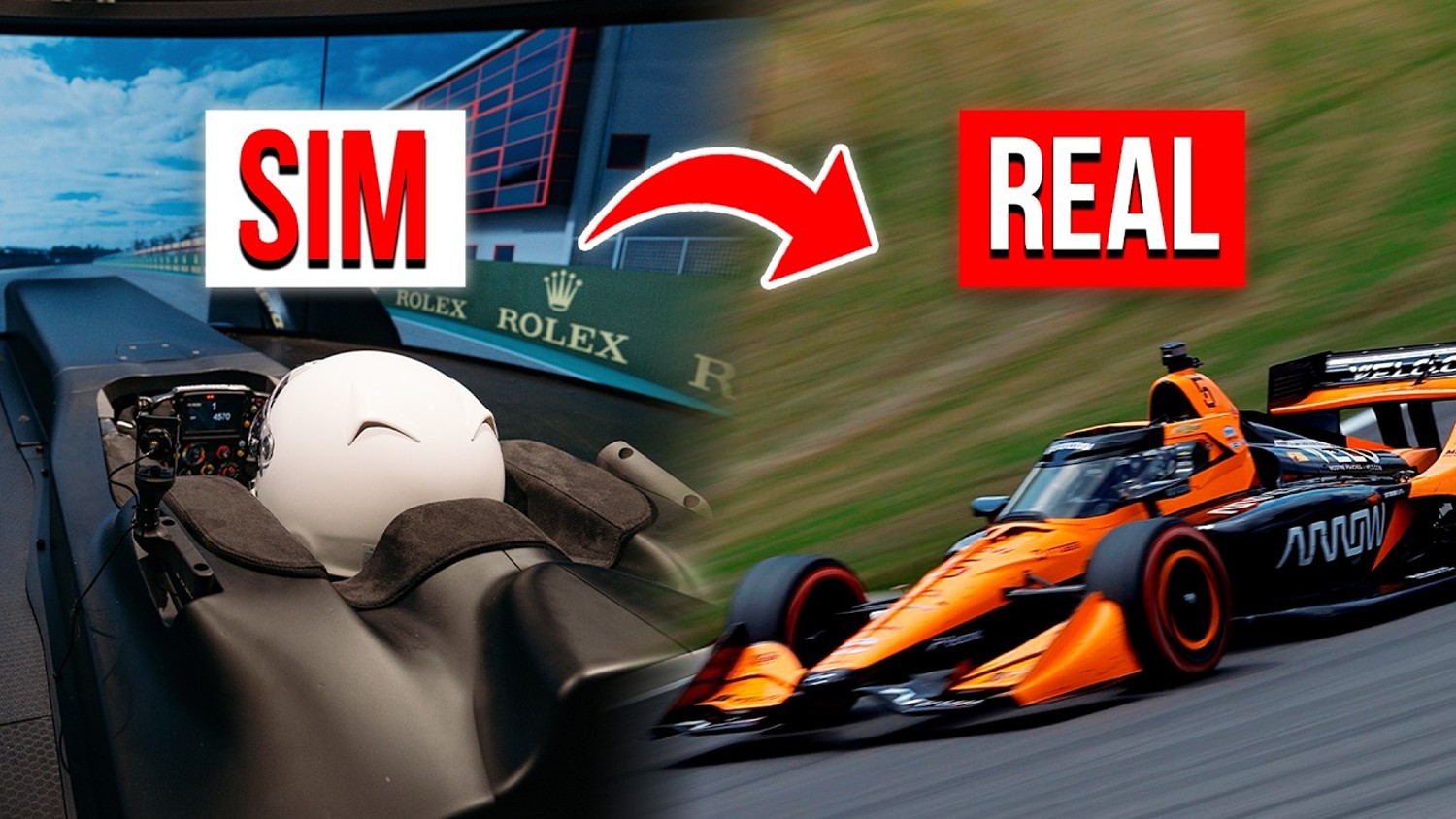
Esports and sim racing are no longer treated as a side hobby—they are becoming a genuine pipeline into professional motorsport. Programs linking virtual racing talent with real seat time have expanded, and governing bodies have started officially recognizing top-tier virtual championships as part of a driver’s development record. Teams now use these platforms not just for scouting but as an analytical proving ground, running thousands of simulated scenarios—sudden rain, safety-car timing, tire degradation curves—before a single lap is driven at the actual circuit. This shift has also changed how young drivers build their reputation, since a strong result in a recognized virtual series can now open doors that once required years of junior-formula racing.
The challenge remains translation. Skills built on a simulator rig do not always transfer one-to-one to the physical forces of a real cockpit. The next step for these programs is making the virtual-to-real handoff feel seamless rather than forced, and several manufacturers are already experimenting with motion rigs and force-feedback systems designed to close that gap further.
Cross-Team Data and the Formula 1 2026 Regulation Arms Race
Cross-platform data sharing has become just as important as the on-track hardware itself. Engineering groups want to start setup analysis in the garage, continue refining it in the cloud, and hand insights off to colleagues working from an entirely different tool or location. This is making the sport more collaborative internally while intensifying competition externally, since every team is racing to correlate real data with the new regulation’s models faster than its rivals. The teams that master this data flow fastest are, unsurprisingly, the ones setting the pace on track through the opening rounds of the season.
Engineers are building around this connected reality. Under the 2026 rules, a car’s data does not stay on one dashboard—it follows the strategy across garages, simulator sessions, and race engineers, much like how platforms such as Nightwin maintain consistent user accounts, bonuses, and game access across desktop and mobile environments.