
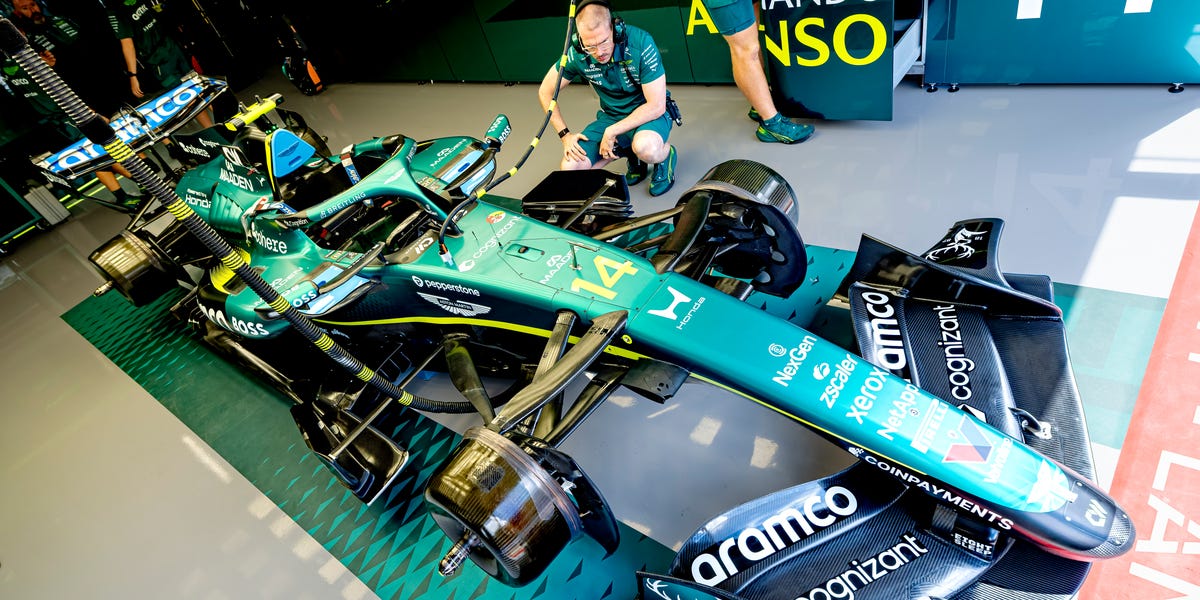
It has been a half-season worse than anyone could have imagined for the Aston Martin-Honda partnership. The chassis was bad, the gearbox is clunky, and the engine is slow and unreliable. It was embarrassing for a while, and then it just became normal.
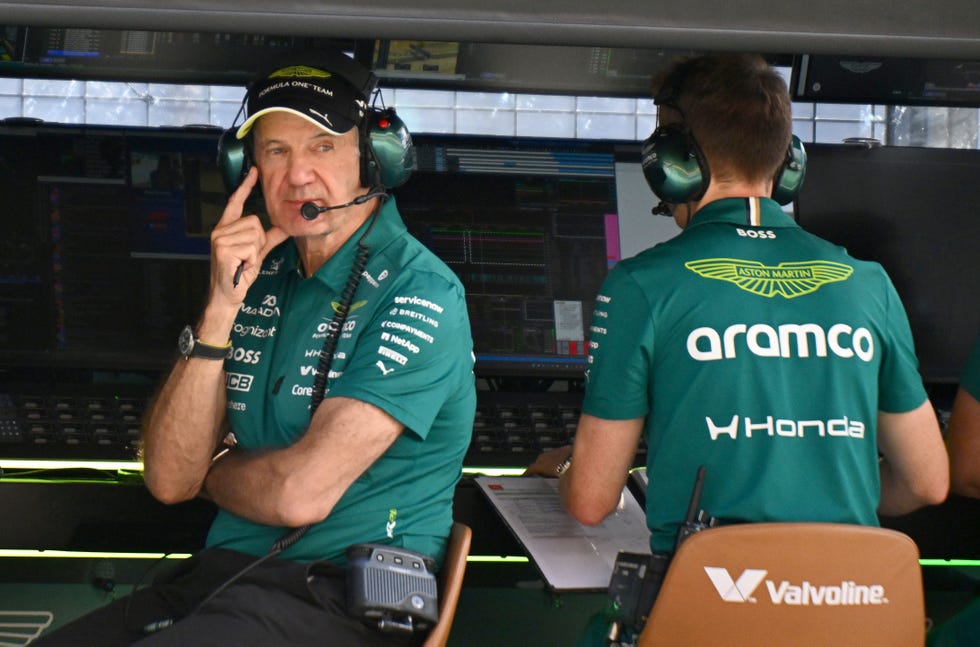
Adrian Newey’s nuclear press conference appearance in Australia left attendees open-mouthed as he criticized Honda while sat next to its representative, and suggested Fernando Alonso and Lance Stroll risked permanent nerve damage due to vibrations. He then outlined that the scale of Honda’s deficit was only fully realized towards the end of 2025 during a visit to Sakura, recognizing that Honda’s out-then-in tactic meant its F1 division had effectively been rebuilt from scratch. Which felt like a little bit of housekeeping that should have been done before.
Unsurprisingly Newey was removed from media-facing responsibilities (with the inoffensive Mike Krack put up every race) and concentrated his work back at base.
As rivals added new aero packages in the early stages of a fresh ruleset Aston regressed horribly due to its decision to hold off on new parts until Hungary – opting to concentrate its resources on one substantial upgrade. That led to a stint of grands prix in which there was little hope of any reward. Somehow, Fernando Alonso managed a point in Monaco, largely through avoiding the gremlins and time penalties that were dished out to opponents.
 Mark Sutton – Formula 1//Getty Images
Adrian Newey.
However, despite the avalanche of pain that was dished out to Aston Martin on a weekly basis, the update introduced in Hungary has provided light at the end of the tunnel. The layout of the Hungaroring did accentuate power unit weaknesses, but Fernando Alonso made Q2, and both drivers were able to be competitive in the lower midfield. Being the eighth- or ninth-fastest car is still a chunk off where Aston Martin-Honda holds ambition, and where it should have even started, but it was a damn sight better than being two seconds off the pace of Cadillac. It also gives the team direction when looking to 2027 and beyond.
“It’s clear we’ve taken a very encouraging first step forward with the upgrade, and the progress made is a huge credit to the hard work of the entire team,” said Newey, having returned to media duties in Hungary. “The other positive is that performance was in line with our data predictions, showing good correlation between our updated simulation tools and the track. This is a strong indication we are on the right development path for the short and longer term.”
Honda has two ADUO opportunities but will bring just one big update to Zandvoort, after the summer recess, but it has already forewarned that the operation cannot expect miracles. The updated spec ran for the first time during a test at the Hungaroring earlier this week.
 Peter Fox//Getty Images
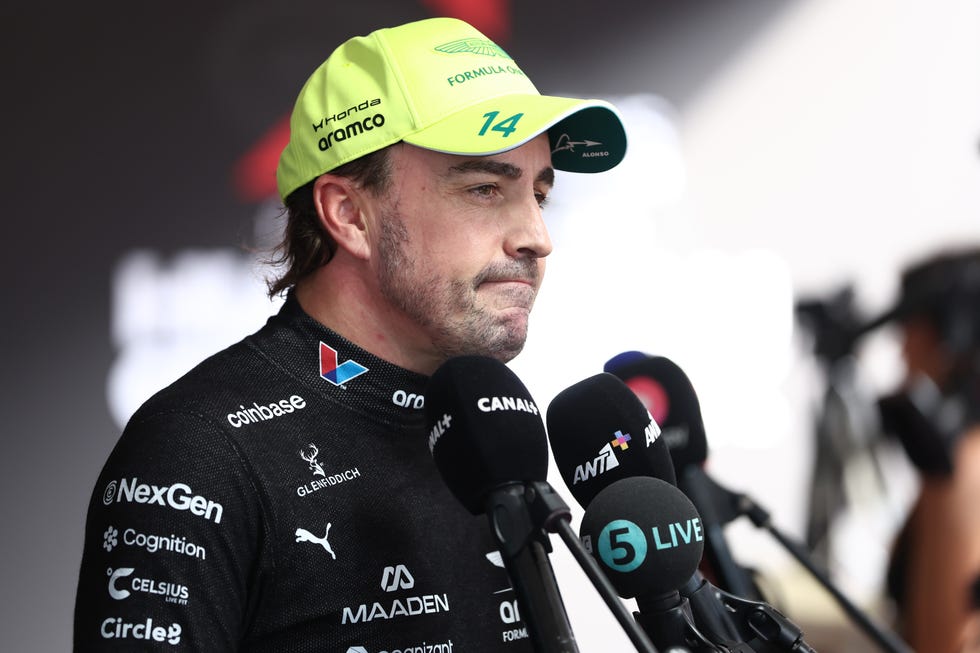
Fernando Alonso, contemplating.
Fernando Alonso faces a big decision soon about his future, and if he does depart it has been an inglorious end to his career after such a promising renaissance in early 2023. He has regularly taken aim at this year’s regulations, outlining that talent can’t shine through, but his comments are caveated by being in a car that’s usually been four or five seconds off the pace.
Lance Stroll’s limitations are well established, but he has displayed some surprisingly dry humor amid the team’s woes this year. He has now done 200 grands prix, remarkably—more than the likes of Alain Prost and Mika Hakkinen.
There has to be belief that the funding, the resources, and the personnel involved means this will be a successful long-term project—and together. McLaren went from embarrassing to World Champions in seven seasons, and Honda started the V6 era in dire straits before powering Red Bull to multiple titles. Recent history supports the viewpoint that anything is possible. But right now getting back to being in contention for Q3 and points would represent a decent outcome for the season.

U.K.-based Phillip Horton started covering Grands Prix while still at university and swiftly deemed that writing about Formula 1 and the behind-the-scenes machinations was much more engaging than reading centuries-old novels. Degree gained, he went on to cover the sport full-time from 2014 and is as intrigued and excited by the destinations Formula 1 visits during its lengthy annual world tour as the racing itself. Phillip joined Autoweek in 2021 and while he has just about learned to spell in American English he has yet to find anywhere in America that makes a proper cup of tea.