
Last week, footage of Post Malone’s headlining concert in Edmonton went viral on social media, and not because of the performance.
Just minutes into the American artist’s show on Saturday at Commonwealth Stadium — the outdoor home of the CFL’s Edmonton Elks — a torrential downpour sent thousands of concertgoers rushing to the concourses in search of relief from heavy precipitation.
There was none to be found as the rain and wind formed a dangerous combination. People got drenched and the show was cancelled after three songs.
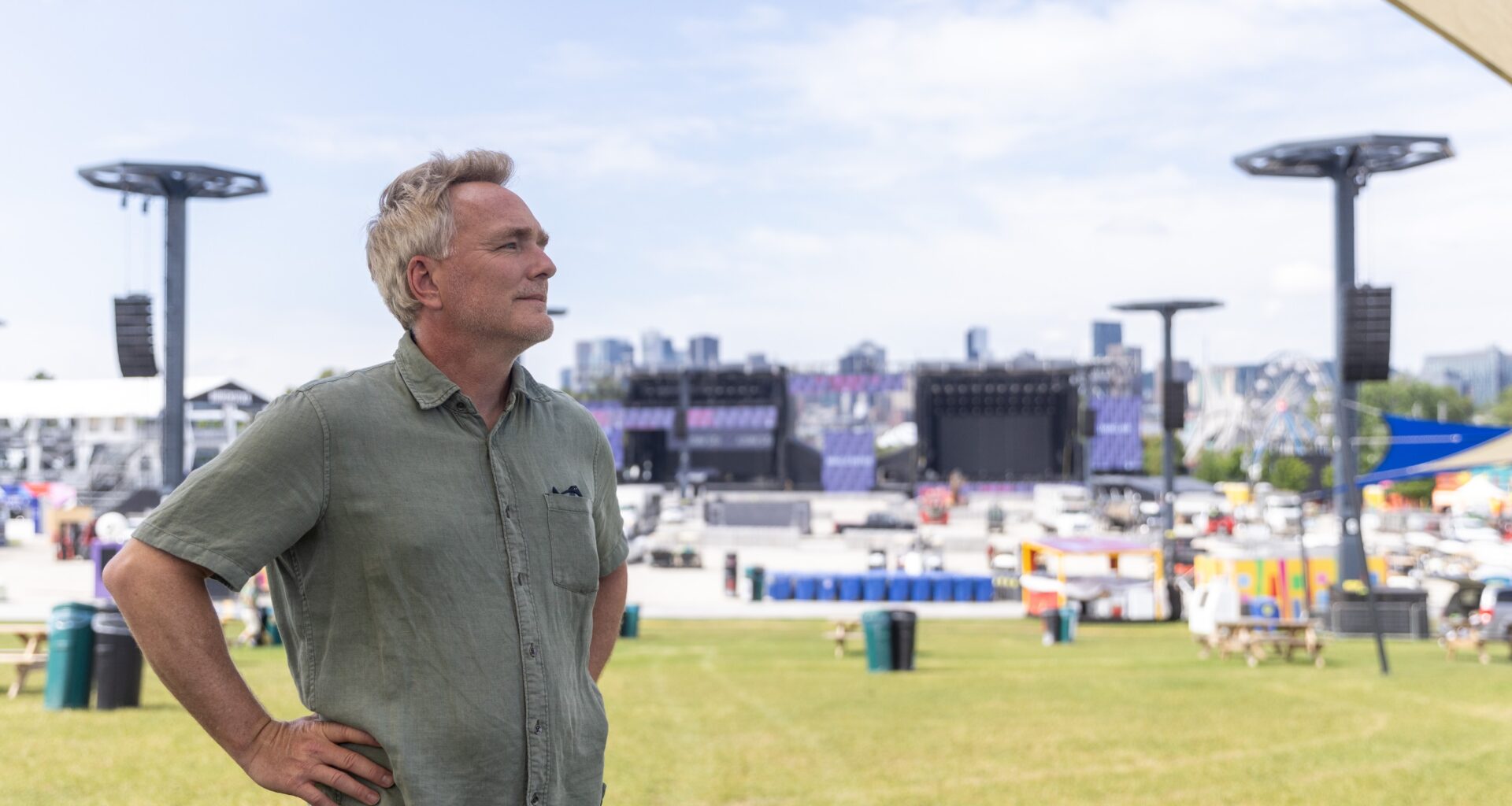
Eric Fortin-Lambert, senior director of production and operations at Evenko, watched the videos from Edmonton like the rest of us.
“I think I saw about 10 different videos,” Fortin-Lambert said from Jean-Drapeau Park the eve of Osheaga.
As of Thursday morning, about 95 per cent of the fest’s installations were up, a job that started in May with the two Luke Combs concerts on the island.
“In a way I was jealous because (Edmonton) at least had a stadium with shelter that people could go under, because our site is not like that.
“The wind was crazy, it was going like this,” he added, sweeping his arm sideways.
With only temporary awnings available, organizers and attendees of the four major coming festivals on the island — Osheaga, ÎleSoniq, Lasso and the returning Warped Tour — have to brace themselves for any type of weather.
And with about 45,000 to 50,000 people expected each day at Osheaga this weekend, there’s nowhere for people to go in case of a weather emergency.
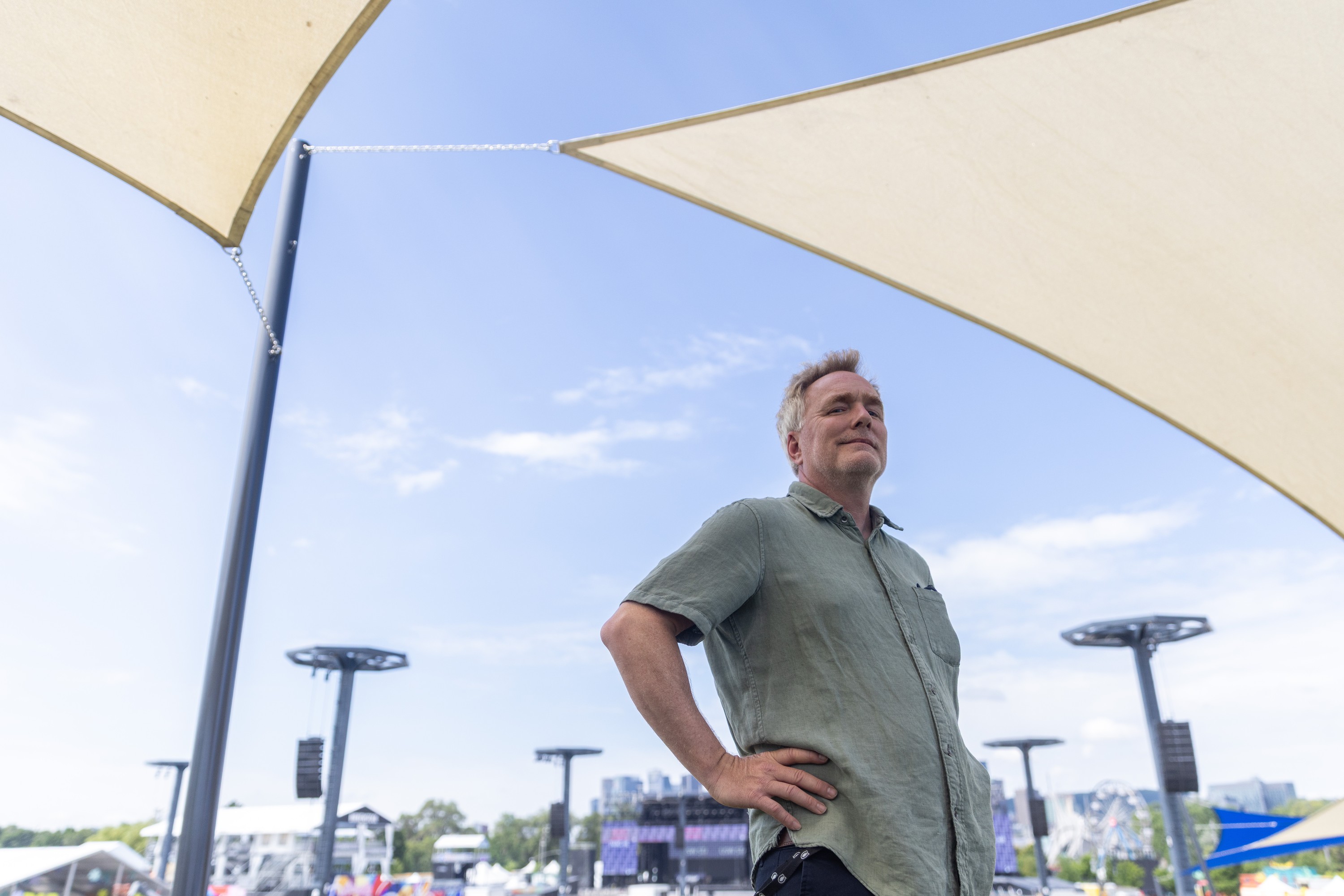 Eric Fortin-Lambert, senior director of production and operations at Evenko, points out the increase in tents, both near the main stages and the side ones, on the Osheaga site. With rising temperatures, “we just analyze what we can do to have a better experience for our clients. Shade was one of them,” he says. Evan Buhler / Montreal Gazette
Now in his 13th festival, Fortin-Lambert has dealt with everything from lightning cutting Gracie Abrams’s set to blistering heat making the island feel like the Sahara. But with weather conditions becoming more extreme, from hotter heat waves to intense bursts of rain, Osheaga and other festivals around the world are contending with the increased unpredictability of the weather.
On a tour of the festival site, Fortin-Lambert pointed out the increase in tents, both near the main stages and the side ones.
“We’ve noticed, like everyone, that the temperatures are rising every year. There was a heat wave at one point last year and the year before that,” he said.
“So we just analyze what we can do to have a better experience for our clients. Shade was one of them.”
Montreal’s a microclimate, and this island is a microclimate, so do not trust the weather reports.
Nick Farkas
Evenko VP
Adding more access to water was another. Festivalgoers are encouraged to bring an empty container with them, which they can fill for free at one of 626 faucets on the site. It’s a mix of permanent water stations on the island and temporary ones built for the festival.
“We try to have a ratio of 340 people per water faucet. But if we see higher temperatures in the forecast, we’ll add more.”
The ratio was lower before, but Fortin-Lambert said the festival “had to adapt.”
Climate change is a topic of conversation industry-wide, and every market in North America has its own challenges to prepare for.
“For us, we’ll talk about heat, but in other regions they’ll talk about forest fires, like in B.C. There’s a discussion all across Canada about it.”
Fortin-Lambert observed it’s fortunate Osheaga wasn’t two weeks ago, when forest fire smoke from northern Ontario turned Montreal skies a murky orange and yellow. In Toronto, outdoor World Cup watch parties where cancelled because of poor air quality from the wildfires.
Osheaga co-founder Nick Farkas, who had yet to watch any Post Malone Edmonton clips, is knocking on wood and trying to avoid staring at the weather apps. He and Fortin-Lambert agreed while planning is essential, there’s only so much they can do to protect against Mother Nature.
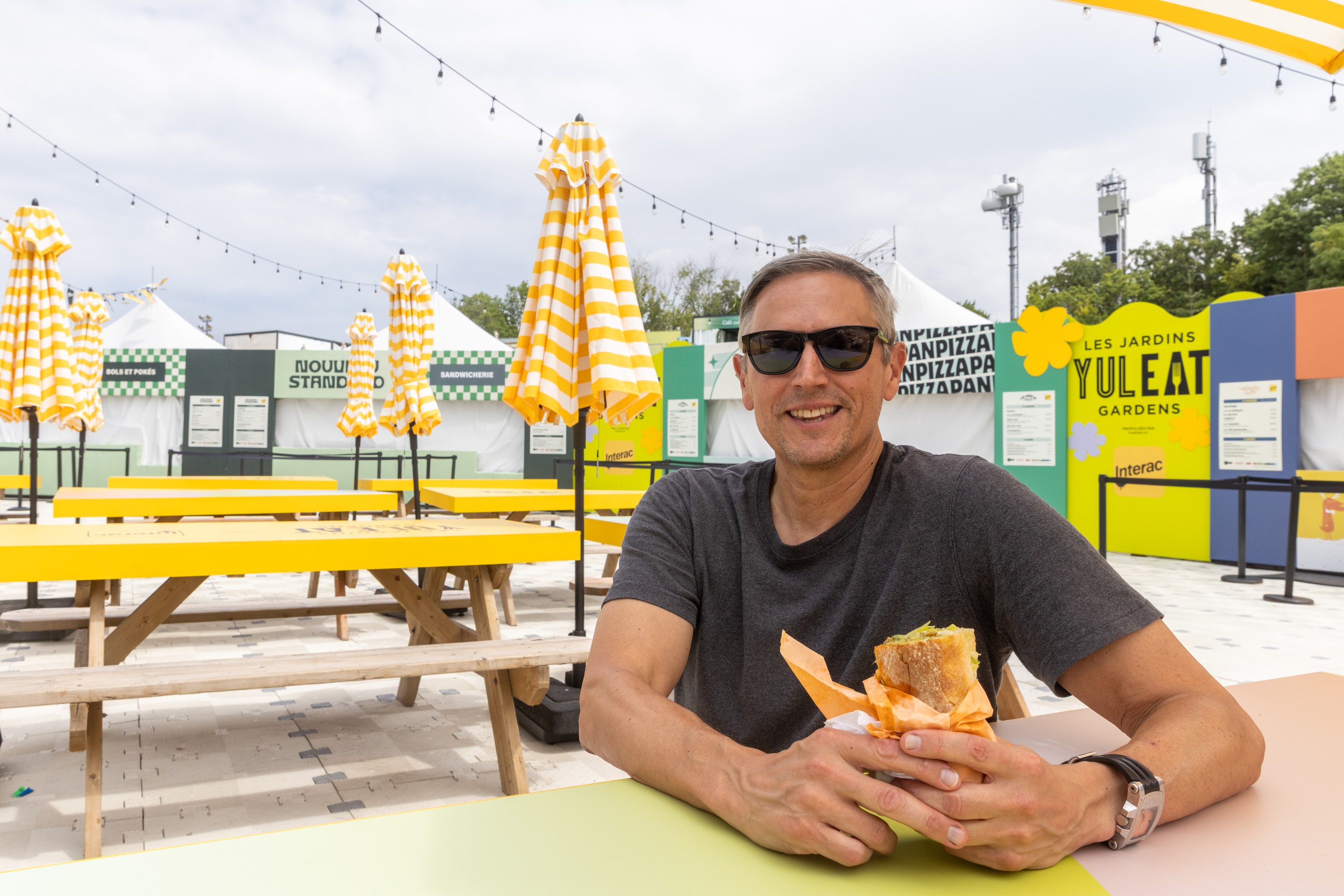 “We’re aware of the changing climate, and we’re trying to accommodate,” says Osheaga co-founder Nick Farkas, seen in the food court on the festival grounds. “But we also recommend that people prepare.” Evan Buhler / Montreal Gazette
Fortin-Lambert and the festival meteorologist decide when it’s time to pull the plug on a potentially dangerous situation like a lightning storm, and he said they’ll never discuss it until the day-of because it’s simply too unpredictable.
Farkas also said what makes Jean-Drapeau Park such a unique site for a festival in the North American market — a self-contained island accessible by public transport minutes from the city — also makes it even more volatile when it comes to forecasting.
“Montreal’s a microclimate, and this island is a microclimate, so do not trust the weather reports,” Farkas said.
A good example was Combs concert at the same venue in May.
“There are black clouds hanging over Nuns’ Island and my wife is getting rained on downtown. She messages me ‘so sorry,’ and there’s zero rain happening here.”
Abrams’s set a year ago was the opposite, when the meteorologist on-site predicted rain clouds coming from the Laurentians would just miss the island. In the end, lightning forced the singer-songwriter to run offstage. After fans got pelted with rain, the skies cleared and Tyler, the Creator was able to perform his headlining set.
Osheaga has been pretty fortunate, with few moments in its history when they had to completely shut down. But in June, the Governors’ Ball in New York had to cut early because of severe rain. In France, some festivals are playing later in the evening to avoid the sweltering afternoon heat.
It can happen, when a mammoth festival that requires planning more than year in advance gets washed out in a flash. Organizers of outdoor events have had to contend with the weather since time immemorial. But moving forward, the challenges will only increase.
“We’re aware of the changing climate, and we’re trying to accommodate,” Farkas said. “But we also recommend that people prepare. Bring a raincoat. If it’s not going to rain, don’t bring a raincoat. Sunscreen, plenty of water, stay hydrated. Those are the things that are essential.”
Editor’s Picks