
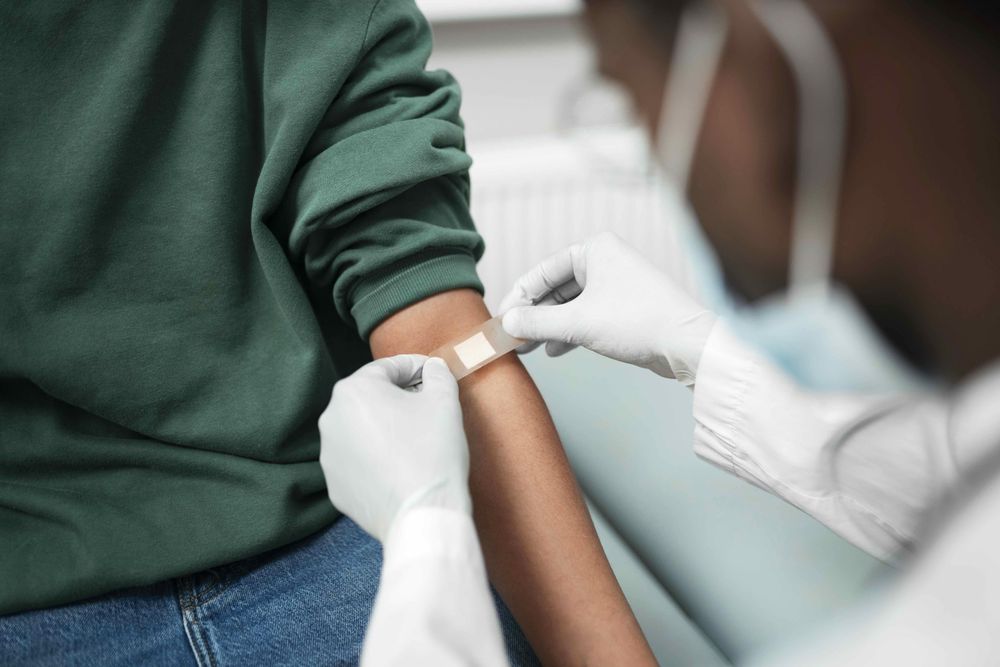
THE Western Cape Department of Health and Wellness (WCDHW) confirmed that nearly nine in ten people who choose the lenacapavir injection are first-time users of the long-acting HIV prevention.
Lenacapavir is an antiretroviral drug designed to both treat and prevent HIV. More importantly, lenacapavir is not a vaccine, but a highly-effective HIV prevention medicine.
According to the Department, between 8 June and 24 July, 2 339 lenacapvir injections were administered across 22 public health facilities in the Metro.
Of the injections administered, 2 049 (87.6 percent) were people who were not previously taking oral pre-exposure prophylaxis (PrEP), which means the programme is reaching thousands of residents who were previously not using long-acting HIV prevention.
Besides lenacapavir, a twice-a-year injection, PrEP can also be taken as a daily prescription pill, which has been available in South Africa since 2016.
The MEC for Health and Wellness, Mireille Wenger, said the early results demonstrate the value of giving people more choice in how they protect themselves against HIV.
Wenger said: “One of our greatest opportunities to reduce new HIV infections is to ensure that more people who are at risk choose an effective prevention option.
“What is particularly encouraging about these early results is that almost 88 percent of people receiving lenacapavir are new to PrEP.
“This means we are expanding access to HIV prevention and reaching people who may previously have found daily medication difficult or simply were not using PrEP at all.”
She said by giving people a long-acting prevention option that is more convenient, it removes barriers to HIV prevention and gives more residents a greater choice of options to protect themselves.
Wenger said it was for these reasons that the introduction of lenacapavir is an important milestone for the Western Cape.
“Healthcare workers report that many patients have chosen lenacapavir because receiving one injection every six months is easier than remembering to take a tablet every day.”
According to the Department, the rollout has shown encouraging uptake among women who remain the most at-risk group. During the reporting period, 162 pregnant women initiated lenacapavir, while a further seven antenatal patients switched from oral PrEP to injectable PrEP, strengthening HIV prevention during pregnancy.