
Transit is fast becoming one of the fiercest battlefields in the Ottawa mayoral election, with candidates asking a basic question: is direct experience a help or a hindrance?
Problems plaguing the pandemic-stricken system have dogged councillors for the past two terms, with a stubborn slump in ridership and recurring infrastructure issues leading to repeated budget overruns.
From months of single-car train service due to wheel bearing issues, to the deteriorating state of St. Laurent’s O-Train station, to proposed changes to accommodate Ottawa’s latest return to office mandate, the city’s transit woes continue to haunt daily news cycles.
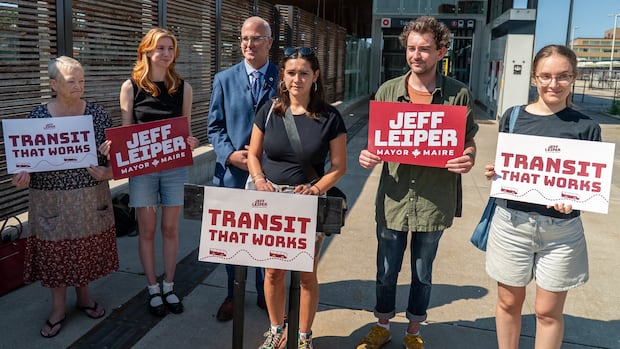
Lead contenders in the mayoral race have been quick to lay out their visions for improving OC Transpo, with the latest coming from veteran councillor Jeff Leiper.
He’s the candidate with the longest history at City Hall, but has been quick to say he hasn’t always supported council’s plans.
WATCH | Mayoral hopefuls spar on transit solutions: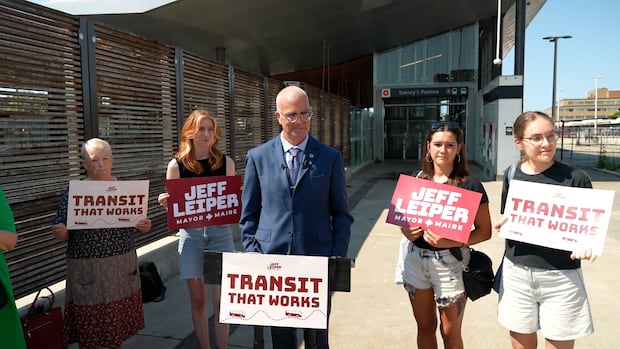
Another Ottawa mayoral candidate introduces plan to fix OC Transpo
Jeff Leiper, who is running for mayor in this fall’s municipal election, says he’ll reverse route cuts, build dedicated bus lanes and ensure residents have a voice on the city’s transit committee. The CBC’s Elyse Skura reports.
“There is only so much that one councillor can do from a seat. I certainly understand that from a resident’s perspective, there is a lot of blame to go around,” Leiper told CBC on Tuesday morning.
“I have voted against bad budget after bad budget from both Watson and Sutcliffe. I have advocated for better transit,” he added. “I have advocated for better investment in transit and I’m running for Mayor because I believe I can be more effective in that seat.”
Still, Leiper’s rivals wonder if new blood may be what this ailing system needs.
Here’s a look at what’s been proposed so far.
Jeff Leiper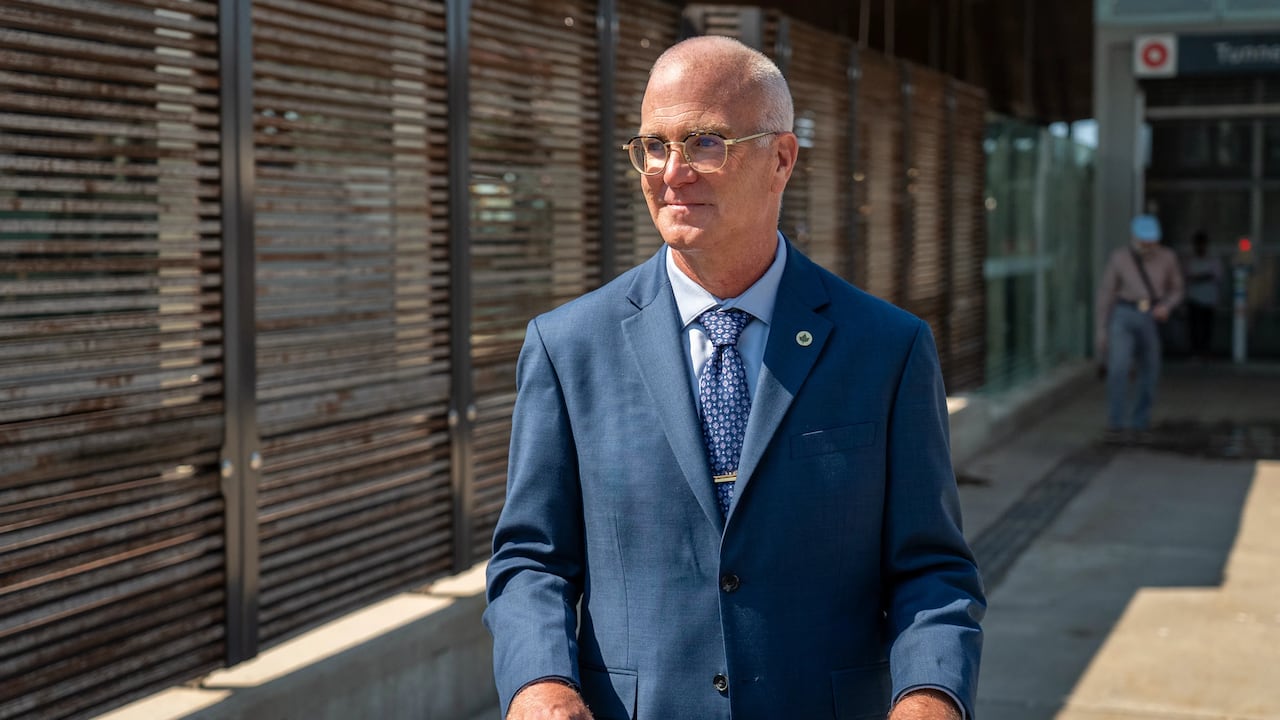 Mayoral candidate Jeff Leiper shares his plan for transit on Aug. 4, 2026. (Mathieu Deroy/CBC)
Leiper put forward his transit plan during a Tuesday morning press conference at Tunney’s Pasture station.
He shared five targets for improving transit:
Restoring the citizen seat on the transit committee to give riders a direct voice in decisions.Introducing a transit service guarantee by setting clear standards for frequent and reliable transit performance.Reversing recent route cuts and prioritizing funding and resources for core bus routes.Delivering dedicated bus lanes throughout the city and advancing the Baseline BRT as a priority project.Establishing a long-term fleet and maintenance plan to secure enough buses to deliver reliable service and avoid vehicle shortages.
“We can’t put the burden of improving our bus service on the backs of fare payers who have been suffering such poor bus service and such poor LRT service for so long,” Leiper said.
However, he did not make any pledges about fare prices, saying increases may be necessary.
“We do need revenue in the system,” Leiper said. “I’m not promising a fare freeze. I’m not promising to reduce fares, but a regular series of fare increases that are as absolutely low as possible is critical.”
Neil Saravanamuttoo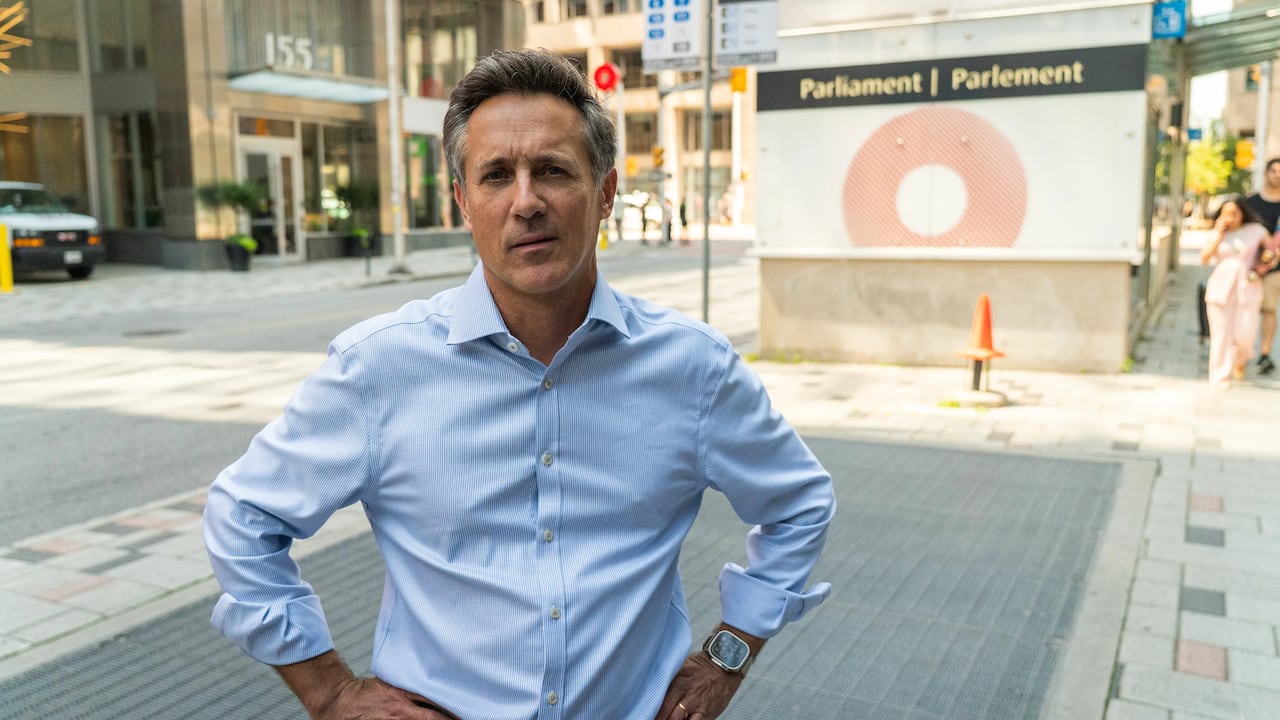 Mayoral candidate Neil Saravanamuttoo at Parliament Station on August 4, 2026. (Mathieu Deroy/CBC)
Mayoral candidate Neil Saravanamuttoo’s strategy involves a “4-point transit recovery plan.”
One major point is a pitch he’s calling “ Buck a Ride, Citywide.” It would see transit fares reduced to one dollar. Another point advocates for a “long overdue” redesign of OC Transpo’s bus network.
“We need bold measures, not the timid moves that we’ve seen in the proposal put forward by Councillor Leiper,” Saravanamuttoo told CBC on Tuesday, adding many of Leiper’s points have been tried in the past.
Saravanamuttoo’s plan for finding new transit funding includes creating a real estate development agency that would monetize land around stations and along corridors.
He also took aim at Leiper and Sutcliffe who have served on the city’s transit committee, stating they should have addressed OC Transpo’s problems long ago.
“I would make sure that the public are heavily involved in redesigning the system,” said Saravanamuttoo. “I have little faith, and I think most people would share this little faith, that City Hall or OC Transpo can fix the system on their own.”
Alex Lawson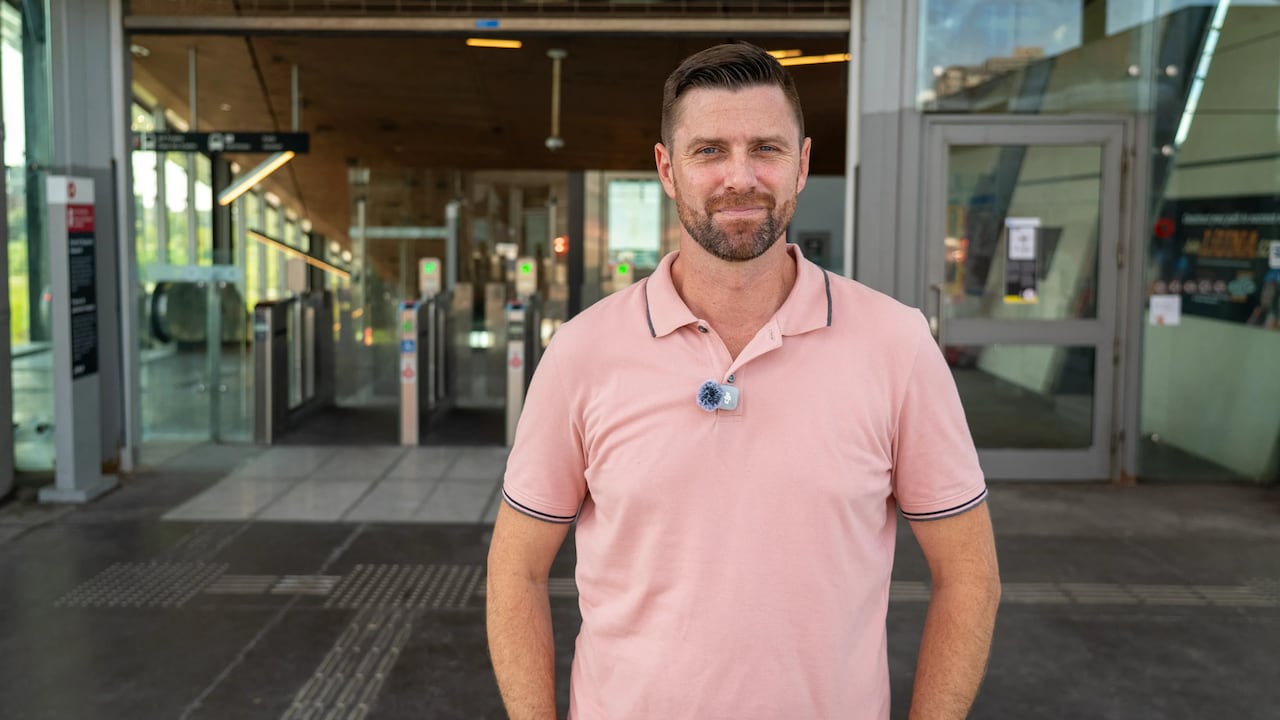 Mayoral candidate Alex Lawson at an OC Transpo station on August 4, 2026. (Mathieu Deroy/CBC)
Mayoral candidate Alex Lawson has been waiting to see Leiper’s full transit plan since the councillor teased it in May — and said he’s unimpressed.
According to Lawson, Leiper’s five points fail to provide the depth of his own multipage platform.
“I don’t think there’s any real deliverables there,” he said. “To be completely honest, it’s a lot of fluff.”
Lawson freely acknowledged he doesn’t have experience in running a transit system, but argues that isn’t what’s most important to voters.
“Sometimes it’s about looking for the experts and it’s about where policy meets reality and figuring out where the friction points are and what went wrong.”
Lawson’s plan includes bringing back rush-hour bus rapid transit, boosting transit fare enforcement, introducing a ride code of conduct, installing cameras on every bus and initiating a 90-day review to hold management accountable.
He’s also proposed a heavy mechanic stream at Algonquin College focused specifically on buses to provide more employees for OC Transpo.
Mayor Mark Sutcliffe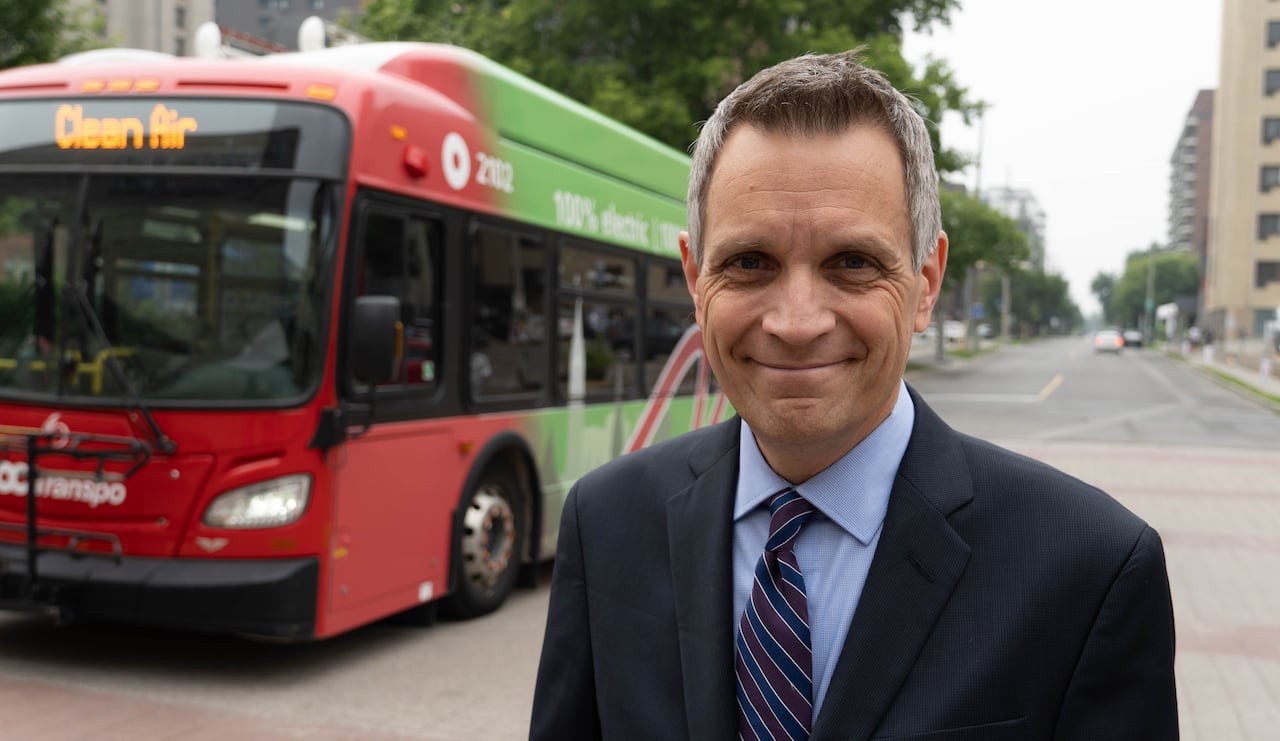 Ottawa Mayor Mark Sutcliffe poses in front of one of OC Transpo’s new electric buses outside city hall in June 2023. (Jean Delisle/CBC)
Mark Sutcliffe is the only major mayoral candidate who has yet to release a transit strategy.
Sutcliffe declined an interview on Tuesday, but shared a statement with CBC/Radio-Canada which said he “looks forward to releasing a transit plan that delivers improvements for all riders while keeping life affordable.”
He also targeted Leiper’s announcement.
“Leiper has had plenty of time to deliver on transit,” read Sutcliffe’s statement, arguing his council colleague is offering a plan that contradicts Leiper’s own record and would leave Ottawa taxpayers to foot the bill.
Among Leiper’s promises is a push to bring riders back to the table where decisions are made, but Sutcliffe pointed out Leiper was one of many councillors to vote against saving the citizen commissioners in 2022.
Leiper told CBC, the “loss of trust” since then prompted him to call for their return.
Sutcliffe challenged that response.
“Ottawa residents deserve a reliable transit system and a mayor with a credible plan to deliver it,” the mayor stated. “Jeff Leiper has spent 12 years building a record on transit, and now he’s trying to run from it.”
Union reacts to plans so far
Noah Vineberg, president of ATU Local 279, which represents OC Transpo staff, was on hand for Leiper’s announcement Tuesday.
The union hasn’t endorsed any candidate — but Vineberg said he isn’t ruling that out.
“It’s always a possibility. I would be … more likely to endorse a transit platform or endorse ideas that were offered in a transit platform then a candidate overall,” he said.
WATCH | How confident are transit riders that the next mayor will solve Ottawa’s transit woes:
Are transit riders optimistic about the mayoral election?
Ottawa mayoral candidates have started to release their plans for transit. We asked riders how confident they are that the next mayor will address the issues plaguing the city’s transit system.
Vineberg added he wants to weigh every platform and share his views with the full slate of candidates.
He did applaud Leiper’s pledge to bring a citizen member back to the transit committee, a commitment Saravanamuttoo said he’d be willing to make too.
But Vineberg said ATU’s members also need a seat at the table for decisions that affect them. Lawson says he’s promising exactly that.
There is one promise Vineberg is skeptical of: Saravanamuttoo’s plan to introduce buck-a-ride fares.
“I don’t know if it’s necessarily going to work,” he said. “I don’t think that we’re going to attract new fares that way regardless.”
Instead, the union head said he’d like to see improvements to the system and a commitment from higher levels of government to pay for operational costs.