
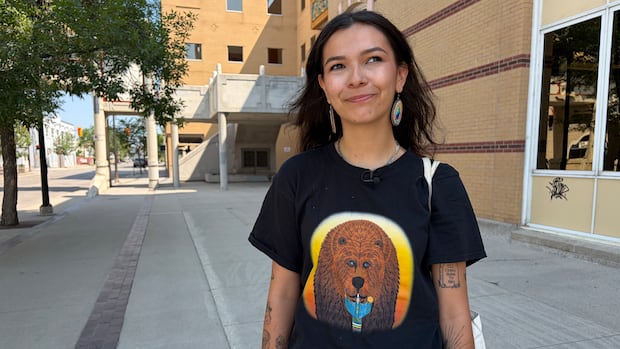
Dakota Hunter had just responded to one overdose on a Winnipeg street plagued by a toxic drug crisis when she noticed another man lying motionless across the road. She didn’t hesitate to run over.
She believes a new supervised consumption site, opening next week, will mean fewer dangerous situations like this, but she hopes the facility’s hours will be expanded.
“There really is no business hours for drug use,” she said. “There’s a demand for safe places to use, but it’s going to occur no matter what, at any given time.”
Manitoba’s first supervised consumption site, at 366 Henry Ave., will fully open on Aug. 11. The NDP government says the operating hours — 11 a.m. to 6:45 p.m., Tuesday to Saturday — are “informed by best practice medical knowledge from other Canadian sites and guidance from community partners.”
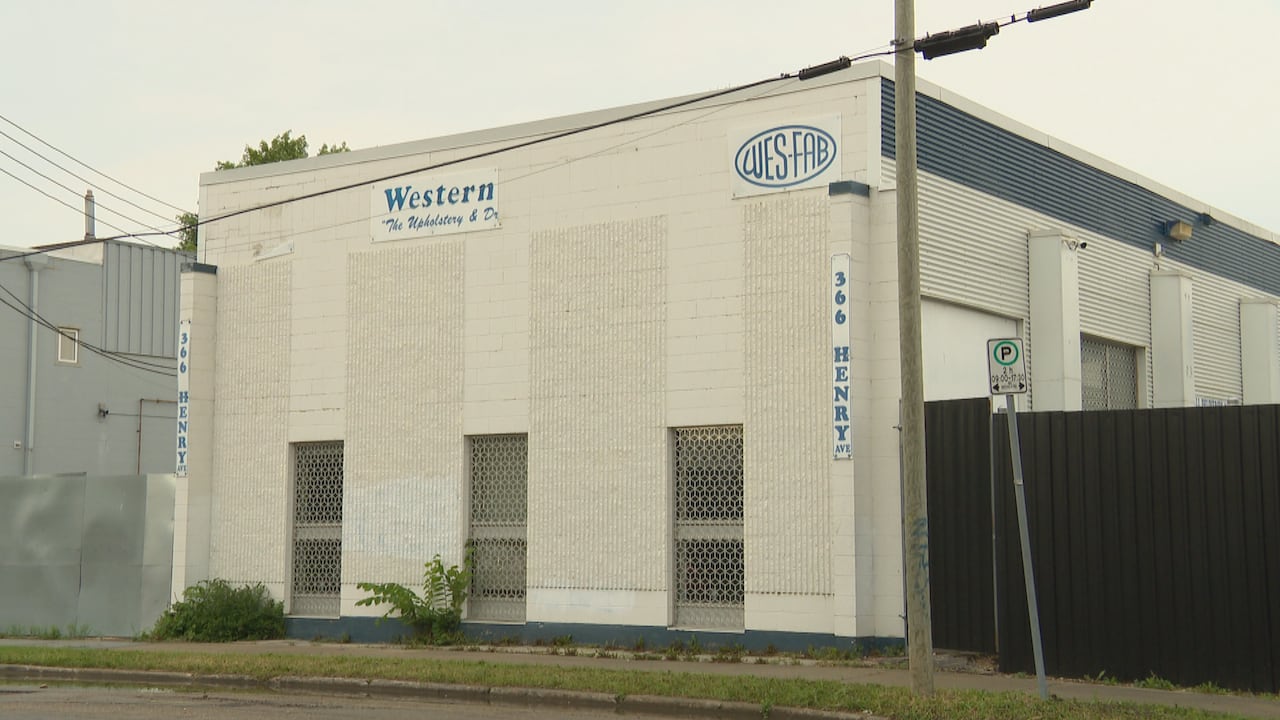 Manitoba’s first supervised consumption site, at 366 Henry Ave., is slated to open on Aug. 11. (CBC)
“There’s a lot of room to give more,” said Hunter, a member of Hollow Water First Nation who lives in Winnipeg.
The Opposition Progressive Conservatives and some nearby residents and business owners have argued the site will fuel drug use and make the neighbourhood less safe, but Hunter — who says in the past, she struggled with addictions and mental health issues while in the child welfare system — believes it’s needed.
“Any resource that they can provide for the community down here is valuable, and it’s going to save lives.”
Helping people ‘make safer choices’
Hunter, 25, now manages a housing program for people experiencing homelessness in an area of Winnipeg she once ran away to. She voluntarily spends many evenings checking on the people living along Main Street, carrying naloxone kits, hygiene supplies and other essentials.
She’s trying to be the person she needed during her younger years, she says.
“A lot of people passed judgment on me,” said Hunter.
“What I needed, honestly, half the time it was a hug and someone to listen to me and make an effort to understand what I’m going through.”
She believes the supervised consumption site, operated by Aboriginal Health and Wellness, can provide some of those supports.
WATCH | Advocates want longer hours for Winnipeg’s supervised consumption site: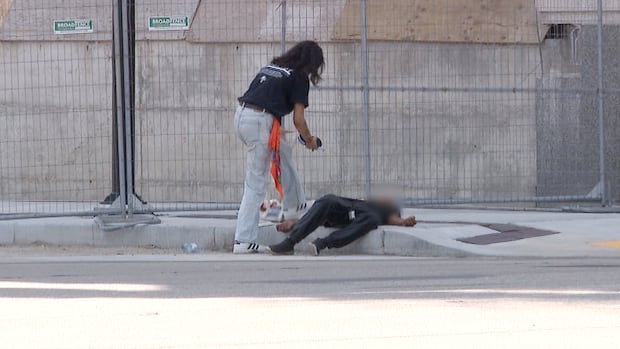
Advocates want longer hours for Winnipeg’s supervised consumption site
People excited for the opening of Winnipeg’s first supervised consumption site hope the initial operating hours — nearly eight hours a day, five days a week — will be expanded so more people can be supported.
The facility won’t supply drugs, but people will be allowed to use them under the supervision of trained staff, who can respond to possible overdoses, the province has said.
“You’re allowing people to make safer choices another day,” said Hunter.
“You’ve got to keep people safe until they can make the choice to go to treatment, and that’s what this site is going to do for people.”
‘It’s going to help people not pass away’
It was three years ago when Skye McLean overdosed for the “third and last time” in Winnipeg’s West Alexander neighbourhood.
A member of Nisichawayasihk Cree Nation, she doesn’t know where she’d be if a helper at a front-line organization didn’t get her to hospital.
She feels like she’s come “full circle,” said the 29-year-old, who is about to graduate from university and has made helping others her career. She’s worked with unhoused youth through Tina’s Safe Haven, a 24-hour drop-in space.
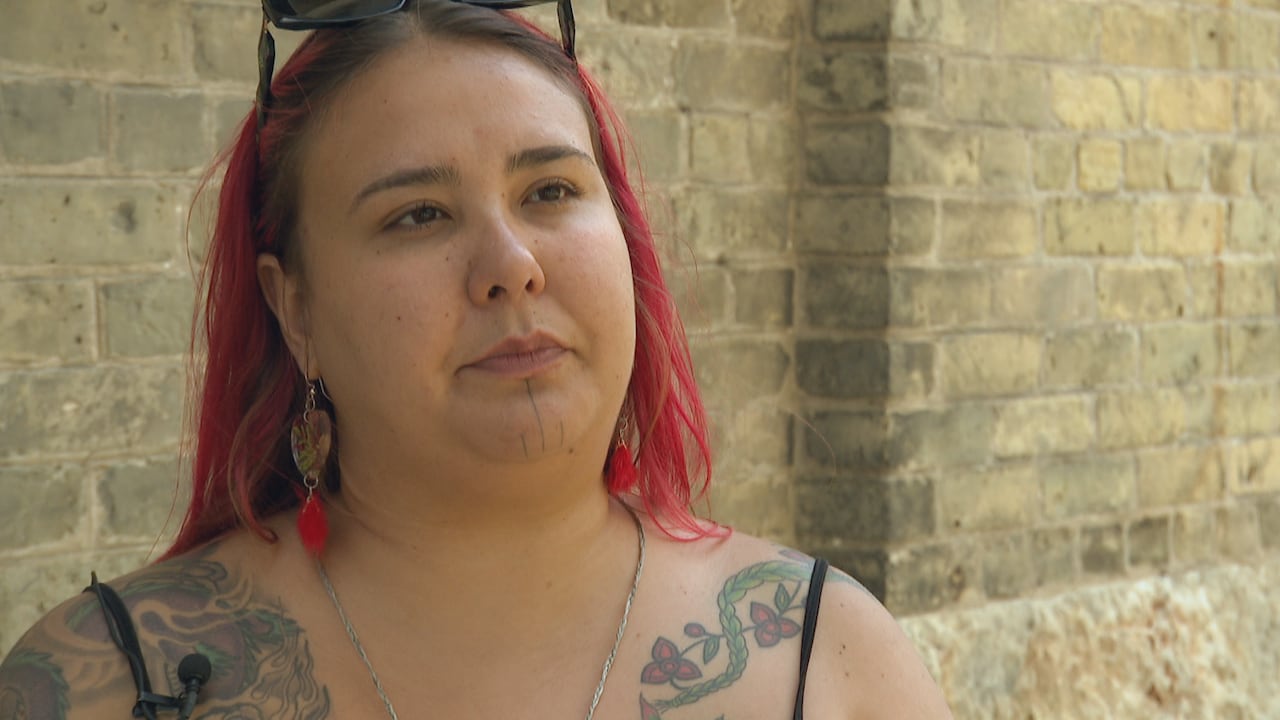 Skye McLean overdosed three years ago, but now has come ‘full circle’ and works to help others, she said. She believes a supervised consumption site will help people access resources they need to recover from addiction. (Rudi Pawlychyn/CBC)
She’s confident a supervised consumption site will “alleviate pressure on our paramedics. It’s going to help people not pass away and also get the resources they need and the care and dignity they deserve.”
She hopes the facility will eventually be open 24 hours a day, especially after recent police enforcement may have pushed more drug use into the shadows, she said.
“You’re more likely to overdose if you’re by yourself,” she said.
Sunshine House executive director Levi Foy said there’s a desire to open the facility 24/7, but resources are limited.
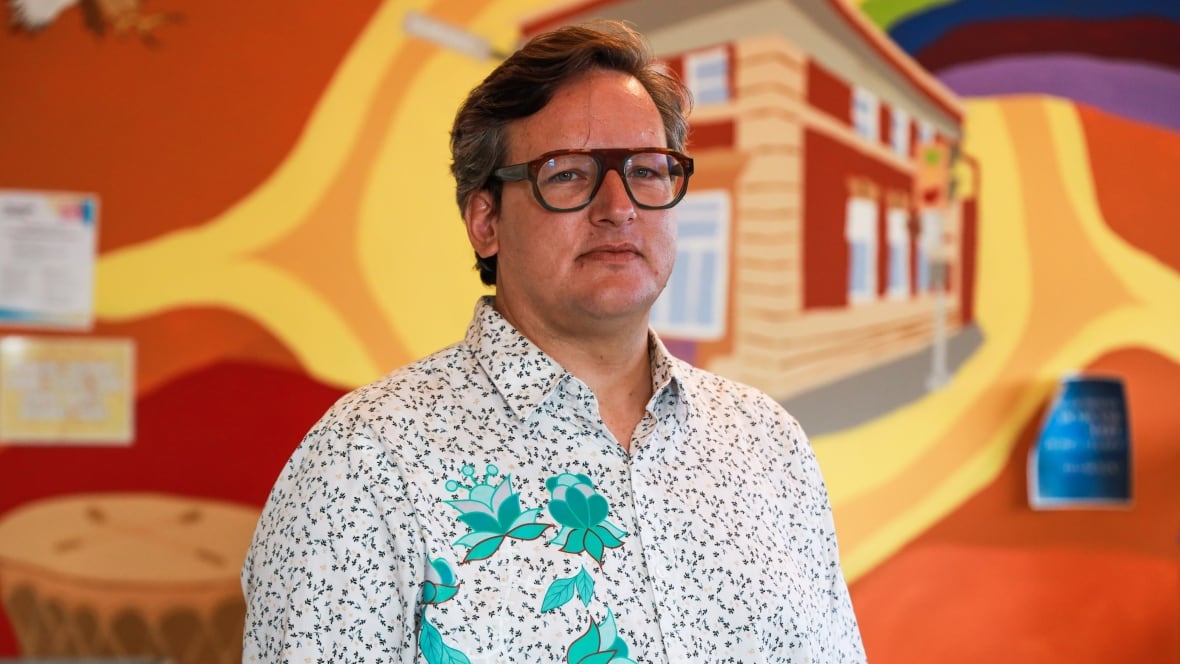 Sunshine House executive director Levi Foy said the supervised consumption site will be open in the daytime hours, when the core neighbourhood experiences the most foot traffic. (Prabhjot Singh Lotey/CBC)
The daytime hours are when the neighbourhood is at its busiest, said Foy, whose drop-in and resource centre is one of the community partners supporting the opening of the supervised consumption site.
“The real sweet spot is that afternoon, after folks have had breakfast and their lunch service from different programs.”
The consumption site’s operating hours reflect that fact, Foy said.
“Sometimes we have to make decisions that to an outsider doesn’t make the most sense, but for the communities that we work with, it makes the most sense.”
Mobile site opening 7 days a week
Sunshine House will try to fill the void by opening its mobile overdose prevention site every day, rather than five days a week.
Like a supervised consumption site, the mobile unit, open from noon to 9 p.m., provides a space to use substances where people can be supervised by staff trained in overdose response. But Foy said it lacks some of the clinical services that a supervised consumption site can offer.
He anticipates Sunshine House’s programming will have a greater emphasis on community outreach on days when the supervised consumption site is also open.
Addictions Minister Bernadette Smith wasn’t available for an interview, but in a statement, spokesperson Andrew Chapman said decisions around the consumption site’s service hours, programming and supports are the result of an “extensive consultation process and collaboration.”
For now, Hunter said the new site gives her hope that more people will escape their addictions.
“It feels like we’re doing something,” she said. “We’re adapting to the way that addiction is running in our city.”