
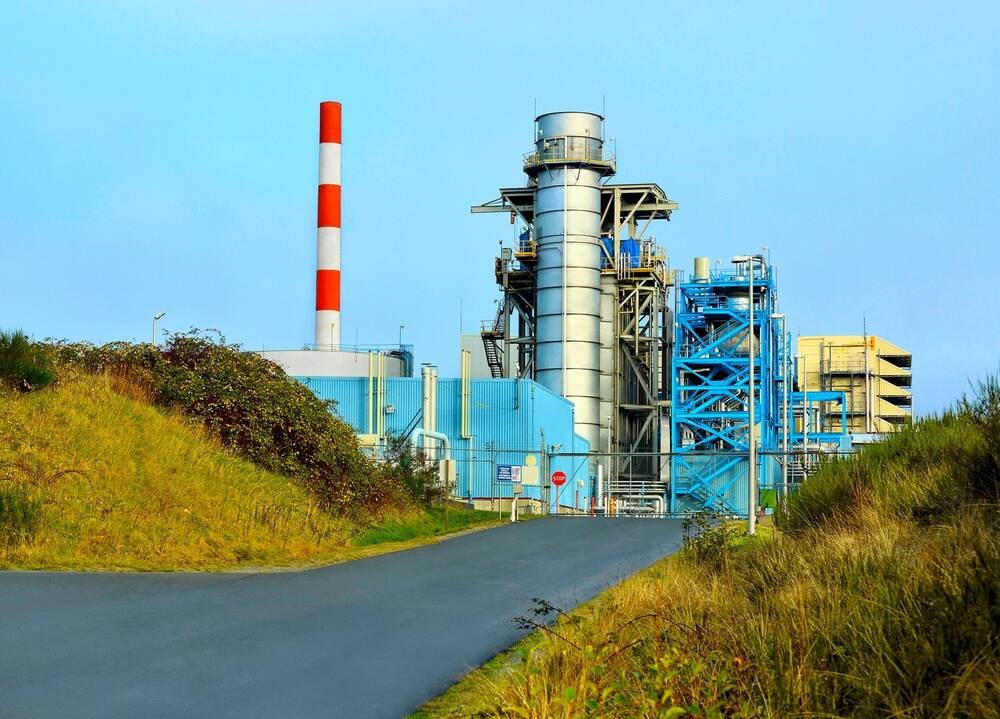
Island Generation has operated an average of about 15 days a year over the past five years when needed for B.C. Hydro’s Island electricity grid.
The province is acquiring a natural-gas-fired power-generation facility in Campbell River, calling it a key power source during periods of peak demand and for future growth on Vancouver Island.
“This is a positive day for Campbell River, for Vancouver Island and the province,” Campbell River Mayor Kermit Dahl said at a news conference at the John Hart Dam on Wednesday.
Dahl has been pressuring the province to acquire the 275-megawatt Island Generation facility for years, saying the plant on the former Catalyst mill site is essential not only to supply power during especially hot summers and cold winters, but to support new industrial development on the vacant mill site.
Island Generation has operated an average of about 15 days a year over the past five years when needed for B.C. Hydro’s Island electricity grid.
B.C. Hydro said the plant will continue in that role while it expands clean and renewable-electricity resources such as wind and solar projects to meet demand. The province says it faces a 20% increase in power demand within four years and will have to double electricity production by 2050.
B.C. Hydro said the purchase price and other commercial details related to the transaction were confidential.
Edmonton-based Capital Power acquired the Island Generation facility after the Catalyst mill closed in October 2010, and has had an electricity purchase agreement with B.C. Hydro since.
B.C. Hydro had sought approval from the B.C. Utilities Commission to extend the contract with Island Generation this spring, saying electricity demand is expected to skyrocket with the rise of data centres, electric vehicles, economic growth and large industrial customers like mines and gas-export terminals.
Vancouver Island generates about 40 per cent of its own electricity, half through hydroelectric stations and half through contracted facilities. The remaining 60 per cent comes from the mainland via underwater cable. The Island Generation gas plant makes up about a quarter of all Island capacity.
By 2030, the province is projected to face an electricity shortfall of 500 megawatts, enough power for 500,000 homes.
B.C. Hydro said recent load forecasts show British Columbia will require additional capacity “sooner than previously anticipated,” as demand is driven by population growth, electrification and expanding industrial development.
The utility said Island Generation will provide it with a dependable and cost-effective power source that can support the grid when demand is highest.
Dahl said he had been worried that Capital Power would dismantle the facility and move it to another province, and has dogged the province to renew its contract with the company, which was set to expire, or purchase the plant.
“This asset matters. It matters for reliability. It matters for emergency preparedness. It matters for local jobs, and our municipal tax base,” the mayor said. “And it matters for our ability to attract future industrial investment to our community.”
Dahl said the lands around the former mill site represent one of the most significant industrial development opportunities on Vancouver Island. But realizing that potential requires certainty.
“Businesses looking to invest need land. They need access to water, and they need dependable power,” he said.
Minister of Energy and Climate Solutions Adrian Dix said the investment complements B.C. Hydro’s recently announced first utility-scale battery energy storage project beside the Island Terminal Substation near Duncan.