

Listen to this article
Estimated 4 minutes
The audio version of this article is generated by AI-based technology. Mispronunciations can occur. We are working with our partners to continually review and improve the results.
A coroner’s inquest jury that looked into the death of a Haida elder fatally shot by Surrey RCMP officers more than four years ago has recommended changes to provincial policing standards around wellness checks and officer training.
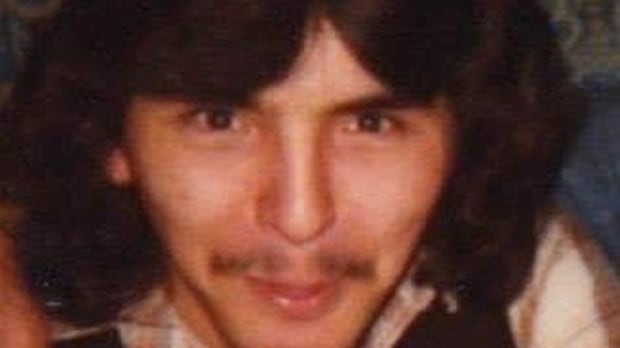
The inquest into the death of 61-year-old Jimmie Johannesson wrapped up this week.
Johannesson died on April 8, 2022, from multiple gunshot wounds after being shot during a Surrey RCMP response.
Coroner’s inquests are mandatory in B.C. for any deaths that occur while a person is detained or in custody of a peace officer.
According to the B.C. Civil Liberties Association (BCCLA), who is supporting Johannesson’s sister, he was shot and killed during a wellness check where he threatened police with a knife.
“Jimmie was already in a heightened state of mental health crisis. There were several actions the officer could have taken first to better inform their response, but they didn’t,” said BCCLA policy staff counsel Latoya Farrell.
“It was incumbent on these officers to consider how their presence in Jimmie’s home would increase the stress of the situation.”
Reviewing standards around wellness checks
A coroner’s inquest is a non-fault-finding public inquiry that works to determine the circumstances of the death, and to make recommendations to prevent similar deaths in the future.
In the inquest verdict, posted Wednesday, the jury issued six recommendations to both the Director of Policing Services and the Ministry of Public Safety.
The first recommendation is for police to be required to conduct ongoing risk assessments throughout wellness checks, including where there are threats to public safety like firearms.
It also recommends that the policing standards be reviewed to make sure police officers know when the circumstances require a second armed officer when a Taser is used, and to consider the presence of civilians during wellness checks that are higher-risk.
WATCH | Farrell speaks as coroner’s inquest begins: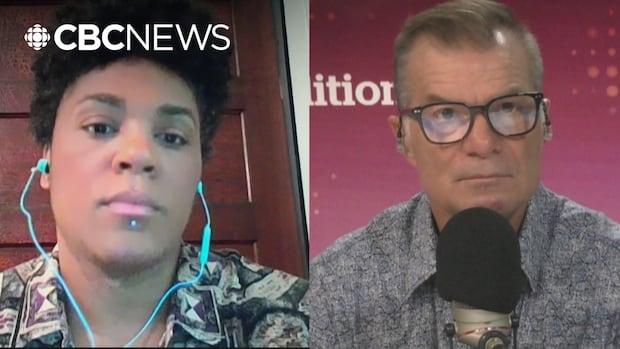
Coroner’s inquest begins into death of Haida elder shot during wellness check
Standards and training for mental health outreach officers should also include standardized mental health training, the jury recommended.
Other recommendations include that officers involved in Independent Investigations Office (IIO) investigations are made aware of the IIO’s recommendations, and that police leadership meets with those officers to discuss the findings.
The jury also made a separate recommendation to the ministers of housing and social development to identify supports for Indigenous people with intersectional barriers while they navigate housing applications.
Calls for change
Ruby Marks, Johannesson’s sister, and the BCCLA are calling on the province to make sure the recommendations are reviewed and implemented.
In a statement, the organization says evidence and testimony show the officers involved did not adequately use their tools and resources when they were dispatched.
Officers arrived at the scene and entered the home with the help of a civilian, said the BCCLA.
The group was “bunched together” at the bottom of the home’s stairs, making the situation chaotic and impacting officers’ ability to respond to the situation difficult without the use of deadly force, it argued.
Marks and the BCCLA are questioning whether a change in action could have led to a better outcome.
“I wish the police officers involved would have taken the time to get more background information about Jimmie’s mental health before entering his home,” said Marks in a statement.
“I keep thinking if the Mental Health Outreach Team had been more involved in developing the response plan, maybe my brother would still be here.”
Marks said she is happy with the jury recommendations, but believes there needs to be more collaboration with First Nations over police reform.
 Johannesson’s sister says she wished RCMP officers had more background on her brother’s mental health before the wellness check. (Ben Nelms/CBC)