
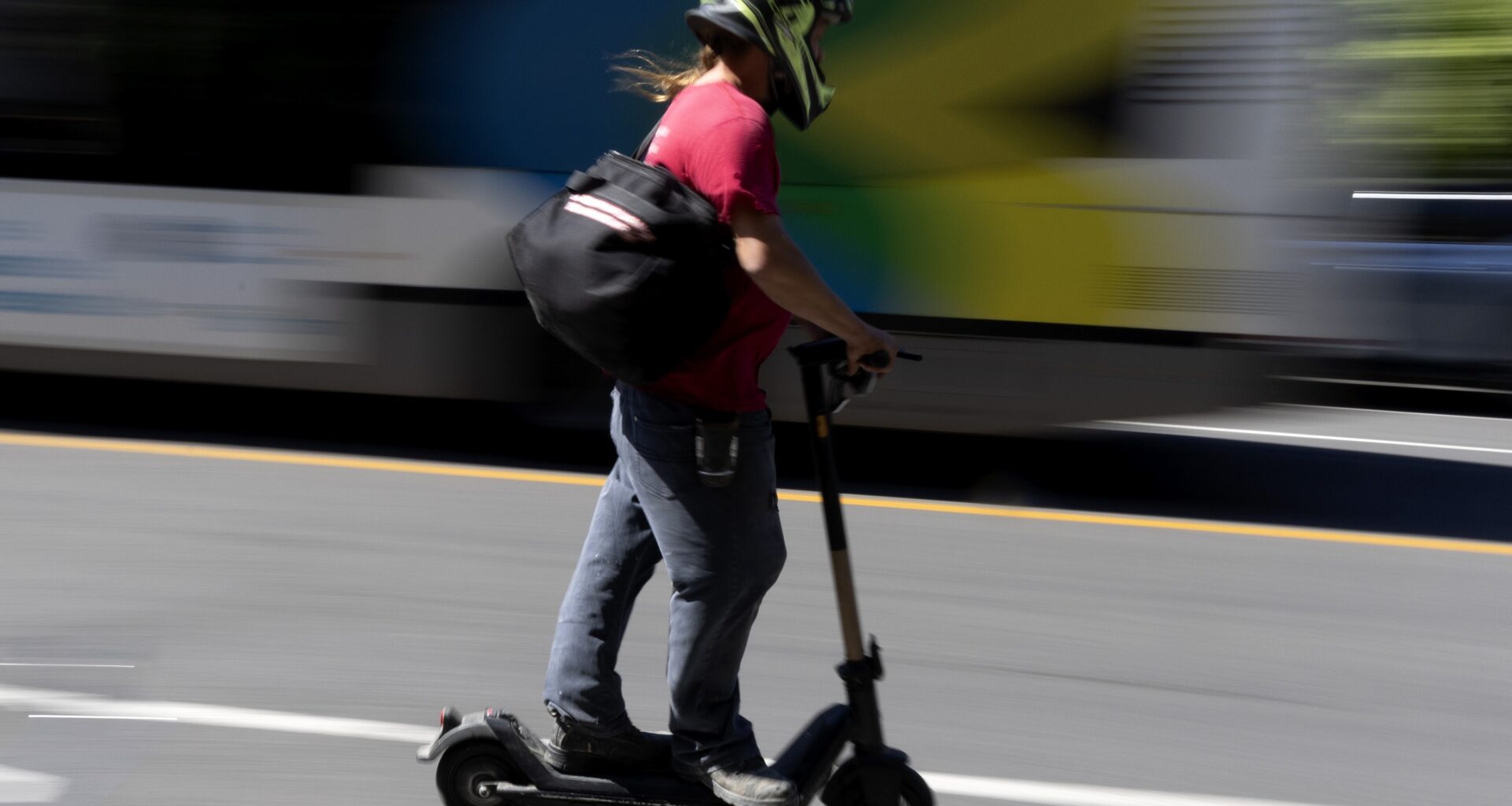
E-scooters are here to stay. The Quebec government’s decision to extend the provincial pilot project acknowledges that reality. Recent measures, such as speed controls and increased enforcement, sound like a step in the right direction. However, they are simply not sufficient for our patient population: children and teens.
By the time a child or teen arrives at our trauma centre, the debate is over. There is no discussion about sustainable transportation or the convenience of e-scooters. There is only a child or teen with a traumatic brain injury, shattered facial bones, multiple fractures or internal organ injuries. There are frightened families and a trauma team working to save a life and reduce the lifelong consequences of injuries that were entirely preventable.
As a provincially designated trauma centre, the Montreal Children’s Hospital is witnessing an alarming increase in the number and severity of e-scooter-related trauma.
In 2025, we treated approximately 80 children and teens. This year, we have already exceeded that number. It is 10 times the number of patients treated in 2023, when the pilot project started. Most concerning is the gravity of these injuries. In our emergency department, 65 per cent of those injured by e-scooters arrive with complex trauma requiring a continuum of care, from hospitalization — including surgery and prolonged stays in the intensive care unit — to rehabilitation and ongoing follow-up by trauma specialists.
Fifty-six per cent of injured children and teens treated at our centre are younger than 14, the legal minimum age to operate an e-scooter in Quebec. They are no longer isolated incidents; they represent a predictable and preventable public-health problem that needs to urgently be addressed.
Editor’s Picks
Every day without stronger safeguards puts more Quebec children and teens at risk. We urge the government to strengthen the current framework immediately, rather than waiting for the pilot project extension to conclude. The government already recognizes that operating motorized vehicles safely, such as e-bikes and mopeds, requires training and D6 licensing.
Yet, e-scooters, which can reach similar speeds and are increasingly associated with severe injuries, do not have the same requirements. Children and teens are not developmentally ready to operate fast-moving motorized vehicles in complex traffic environments. They lack the judgment, impulse control and hazard recognition needed to consistently make safe decisions.
Mandatory and enforced helmet use is also essential. Too often, we see injured riders without helmets or with helmets worn incorrectly. Furthermore, based on injuries that we are seeing and research done to date, a full-face helmet, such as a motocross helmet, is our recommendation.
Retailers and manufacturers also have a responsibility. E-scooters marketed for children as young as eight years old are widely available, even though these children cannot legally operate them in Quebec. Products marketed for children wrongly normalize the idea that e-scooters are toys rather than motorized vehicles.
As a specialized pediatric trauma centre, we welcome the opportunity to work with policy-makers, municipalities, manufacturers, community partners and the public. We recommend:
Raising the minimum riding age to 16.
Requiring mandatory rider training comparable to the D6 moped licence.
Strengthening enforcement of current regulations, including double riding, speeding and other preventable risk-taking behaviours.
Expanding public education and awareness.
Increasing retailer accountability.
Developing evidence-based helmet recommendations that include facial protection.
Collaborating closely with provincial trauma centres to acquire a complete profile of the scope and severity of injuries.
Health-care professionals must have a seat at the table. Clinical experience and injury surveillance data are essential in shaping public policy.
Extending the pilot project without meaningful changes to age requirements, training, enforcement, education and injury prevention would be a missed opportunity to address a growing public health concern.
E-scooters are not toys! They are motorized vehicles and require skill, judgment, maturity and adherence to the rules of the road.
The authors are members of the Montreal Children’s Hospital Trauma Centre at the McGill University Health Centre.