

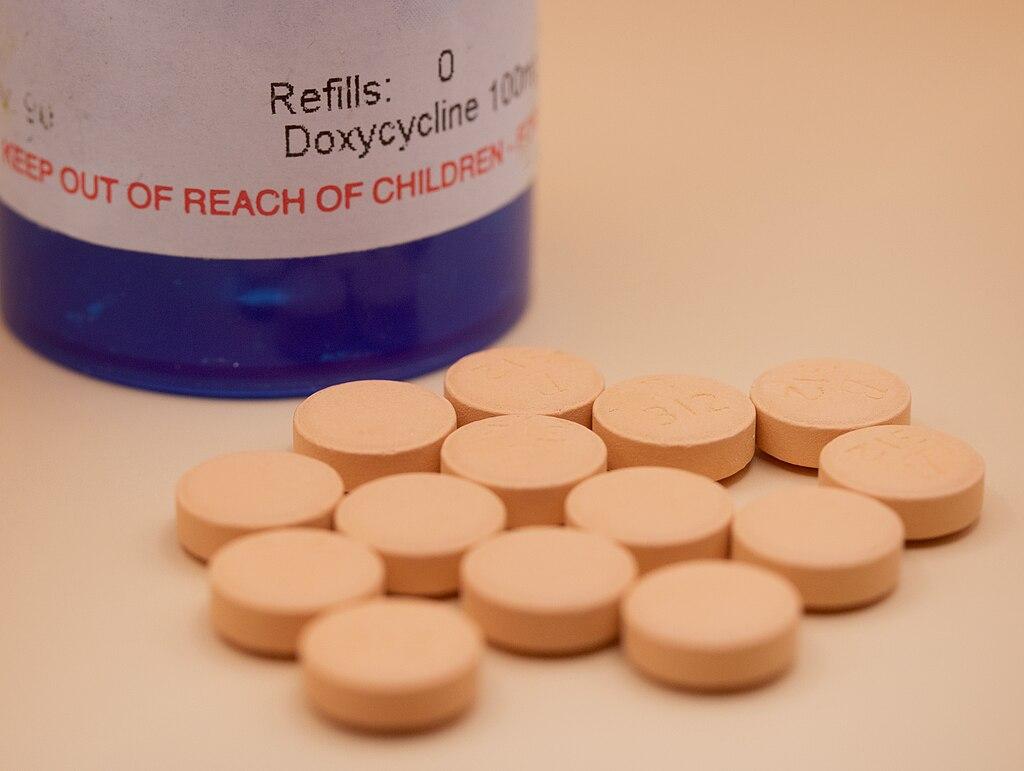
NIAID / Wikimedia Commons
A new analysis suggests that use of the antibiotic doxycycline to prevent sexually transmitted infections (STIs) by men who have sex with men (MSM) in Europe could result in an additional 4.5 million doses of the antibiotic taken in a year.
The study, led by researchers with the European Centre for Disease Prevention and Control and published last week in Eurosurveillance, aimed to estimate how much the use of doxycycline post-exposure prophylaxis (doxyPEP) could increase overall antibiotic consumption among MSM in 30 European Union (EU) countries who are already taking HIV pre-exposure prophylaxis (PrEP)—a population that constitutes a large portion of early doxyPEP users.
DoxyPEP has been shown, both in clinical trials and real-world studies, to significantly reduce the incidence of chlamydia and syphilis in MSM and transgender women with a history of STIs, and several European countries recommend it for those high-risk groups. It’s less effective against gonorrhea.
“As doxy-PEP use among MSM expands through both formal prescriptions and informal channels, concern about unintended consequences, such as antimicrobial resistance (AMR), are increasing,” the study authors wrote. “The risk of increased doxycycline use is particularly salient given the EU’s 2030 target to reduce antibiotic consumption by 20% relative to 2019 levels in order to address the growing public health threat of AMR.”
Large increase concentrated in a small group
The net increase of 4.5 million doxycycline doses represents roughly 2% of total doxycycline consumption in the EU in 2023. The researchers calculated the amount using a model that estimated, based on expert solicitation, that at least one-third of MSM on PrEP initiate doxyPEP use and 326,000 doses of doxycycline are avoided through reduced treatment of chlamydia infections.
The authors say that while the figure represents a relatively small share of overall antibiotic use, the increase would be concentrated within a small group.
“Because infections are often passed within this group, pathogenic bacteria are exposed to doxycycline repeatedly, which could increase antibiotic resistance,” they wrote, adding that it will be important to monitor uptake, STI trends, and AMR indicators as more EU countries adopt doxyPEP.