

“Hearst Magazines and AOL may earn commission or revenue on some items through these links.”
I’m a dietitian, so meal prep is basically second nature to me. And when I got pregnant, I fully expected that I’d be making everything from scratch for my baby with all organic ingredients, the whole nine yards. But then I became a mom, and so much changed.
Nowhere in my nutrition education did I learn the practical side of feeding a baby. How big should a piece of food be? Is this texture right? And then there was the reality of managing her own preferences while also finding the time to prepare food, take care of myself, and keep this tiny human alive and thriving!
I started researching the heck out of infant nutrition. I interviewed pediatric dietitians and pediatricians for Good Housekeeping articles during this stage, not only to help inform our readers, but also (selfishly) because I was trying to figure it all out for myself.
And eventually, I realized I couldn’t keep up with doing everything from scratch. I needed convenient options that were still high-quality and something I could genuinely feel good about feeding my daughter.
Little Spoon was a brand I kept hearing about in my mom circle, so I figured I’d give it a try. I thought we would subscribe for a few months and then move on. But four years later, it’s somehow the one subscription that’s actually stuck with our family and that I still pay for.
After using it through those early days, toddlerhood, and beyond, I’ve had plenty of time to figure out what we genuinely love, what we skip, and what staples are a must on our orders each week.
Starting solids
When I first started using Little Spoon, it was primarily to help with introducing solids. I was doing a mix of homemade baby food and store-bought options because, as much as I wanted to make everything myself, I quickly realized how much time, planning, and effort goes into feeding a baby.
I initially subscribed because I liked that the brand provided guidance on baby food selections based on a child’s age and feeding stage, which helped take some of the guesswork out of the process.
Its baby food line, called Babyblends, essentially had everything I was looking for. They come in both containers and pouches, and the blends feature combinations of fruits and vegetables that I probably wouldn’t have purchased or prepared on my own. It gave me an easy way to expose my kids to different flavors and nutrients early on, and both of my kids took to them. It’s also worth noting that Babyblends recently won a Good Housekeeping Parenting Award, one that I helped evaluate as part of our expert testing process. Parent testers raved about the quality, which reinforced what I’d already experienced as a parent.
I also appreciated that Little Spoon uses cold-pressure processing instead of heat, which helps preserve the fresh taste and nutrients. The trade-off is that Babyblends must stay refrigerated, which can be a hassle, but honestly something I didn’t mind because of just how fresh the blends are. And as a dietitian, one of the biggest standouts for me was the brand’s transparency around heavy metal testing and quality control standards.
Big kid meals
As my daughter got older, our needs changed. We moved from Babyblends into bigger kid meals, and when my son came along, we started the feeding process all over again.
The biggest reason we’ve stayed subscribed is that one service grows with both of my kids. We started with Babyblends, transitioned to Biteables, and now mostly order Plates and snacks.
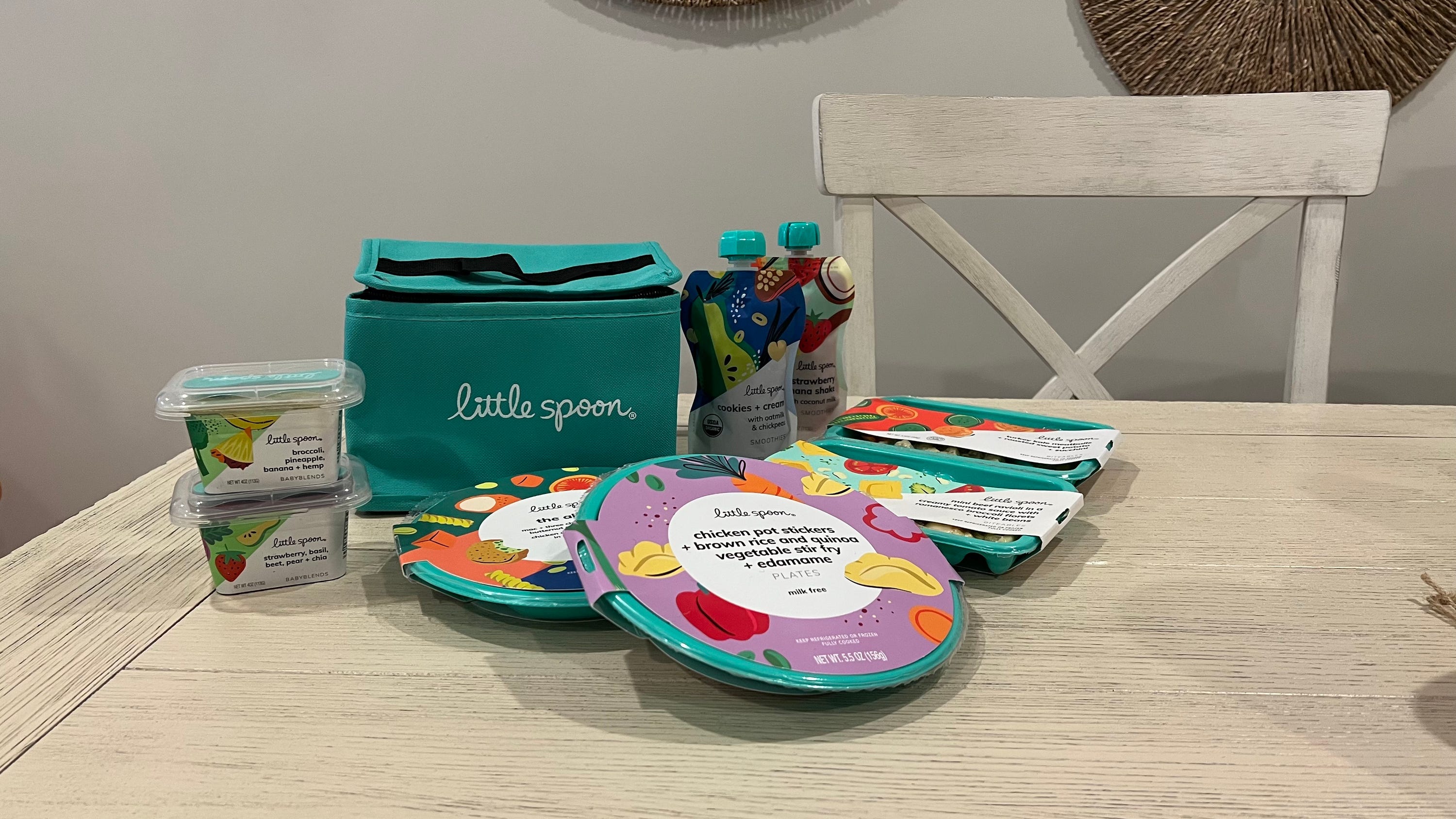
Now, both of my kids are toddlers, so we mainly use the Plates, Biteables, and snacks. I like that the products have continued to evolve as my kids have grown. The Biteables, in particular, are a nice bridge between the puree stage and full meals because they offer a size and texture that feels manageable for little ones gaining independence with eating.
Good Housekeeping / Stefani Sassos
Of course, the biggest test of any kids’ food is whether my kids will actually eat it. Like any kids, they definitely have their favorites. The Turkey Taco Plate, Chicken Pot Stickers, and Cauliflower Cavatappi are weekly favorites in our house. The meatballs, on the other hand, are not a huge hit with my kids, so we usually skip those meals. We’ve tried every meal that they offer at this point, so I know their favorites now, and I like that the recipes are nutritionally balanced.
One thing I’ve noticed over the four years I’ve been using Little Spoon is that the meals don’t rotate constantly. My kids definitely have their go-to meals, but I also enjoy introducing them to new flavors and foods, so I do wish new dishes came out more frequently. But the good news is there is still a lot to choose from, and every so often they’ll add something new or offer collaborations with limited-edition meals, which is always fun. I actually let my kids pick some of the meals they want each week, and they get excited about what’s coming.
How I use it
Little Spoon doesn’t replace grocery shopping or the meals we make at home. I use it to supplement what we regularly eat. We still cook, we still eat together as a family, and we still introduce new foods regularly.
Instead, it has become a reliable backup option, especially because the meals can stay fresh in the freezer. It gives me peace of mind knowing that if life gets busy, I have something nutritious available that my kids will actually eat. One thing to keep in mind is that Little Spoon is an investment compared with making all meals from scratch. For our family, the convenience, nutrition standards, and flexibility make it worth the cost, especially as a backup for busy days.
Good Housekeeping / Stefani Sassos
I also don’t actually receive deliveries every week. You get reminder texts and emails before each delivery, and from there I usually skip a week or adjust my delivery date. We typically average about two deliveries a month, which works well for our family. The flexibility is a big reason I’ve stuck with it for so long. It’s easy to make changes, and I never feel like I’m receiving more food than we actually need.
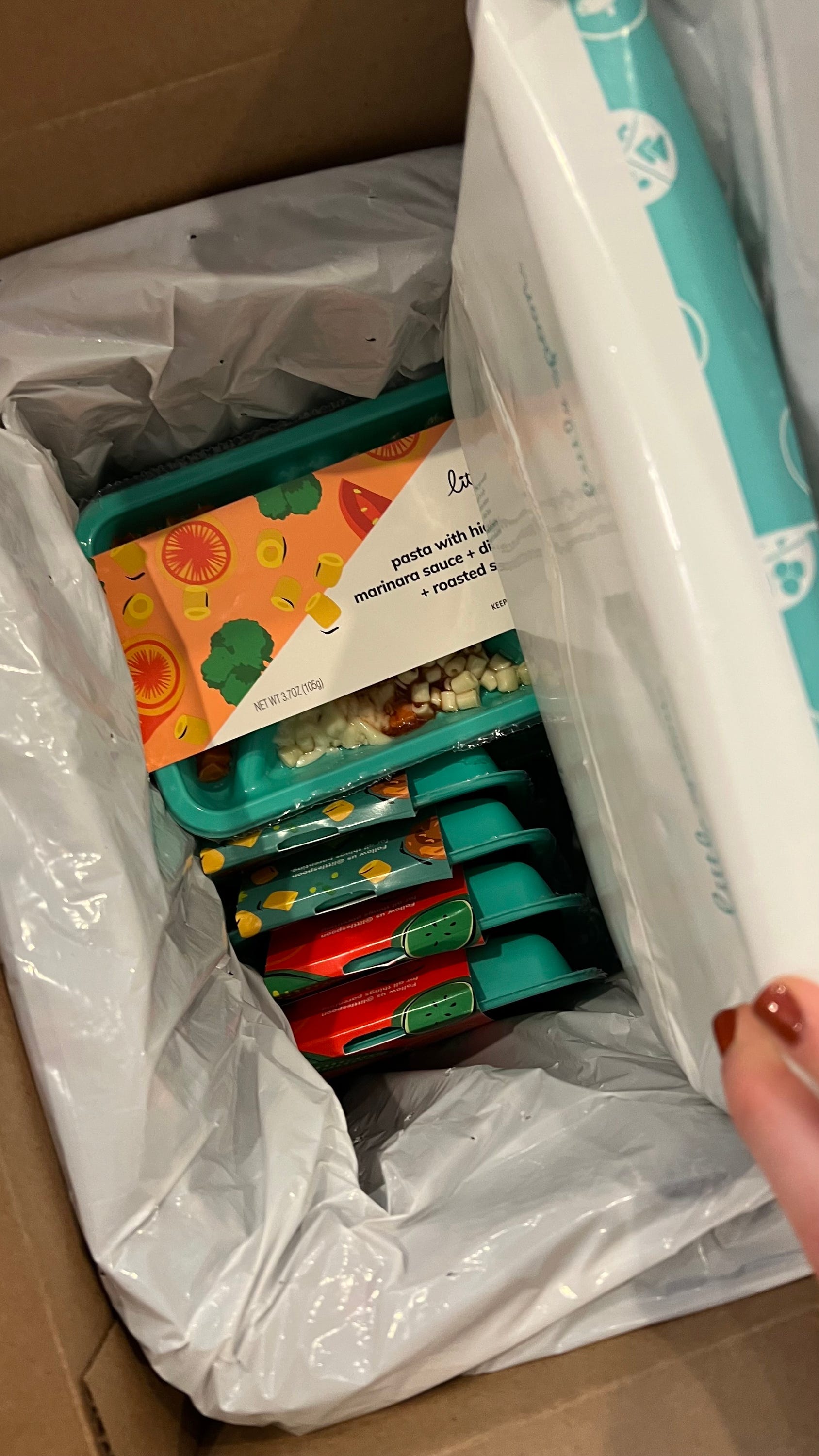
After four years of deliveries, I also have to mention the logistics because that’s often where these services can fall short. I have never received a shipment from Little Spoon that wasn’t cold when it arrived. Even during the hottest summer months, the packaging has held up. We recently received a delivery during a stretch of extremely hot weather, and everything inside was still ice cold.
New favorites
In recent years, the service has expanded into snacks, which has been a big bonus for us. The Fruit Rippers, which are essentially a fruit leather-style snack, have become one of those things I keep in my bag for when we’re out and I need something quick for the kids that they love.
I also like the puffs, which are made with avocado oil and other ingredients I feel good about offering as a healthier snack. It’s nice to see the brand bring that same nutrition-focused approach into snacks. I even noticed some of the products at Target now, including their chicken dippers, which may be my favorite thing that they make just because the ingredients are stellar. I actually first tried them while helping evaluate products for the Good Housekeeping Parenting Awards, where they ultimately won over parent and kid taste testers. It’s also nice that you can try the brand without having to commit to a full subscription.
Why I still buy it
Four years ago, I was looking for a way to feed my baby well without feeling like I was compromising my nutrition standards. Four years later, I’m feeding two kids with very different personalities, preferences, and appetites, and Little Spoon has honestly been a lifesaver.
It’s not the only thing my kids eat, and it doesn’t replace the meals we make at home. But it has become one of those tools that makes feeding my kids a little easier, gives me flexibility when life gets busy, and helps me feel confident about what I’m putting on their plates.
Why trust Good Housekeeping?
The author and her two children.Good Housekeeping / Stefani Sassos
Stefani Sassos, M.S., R.D.N., C.D.N., is the director of the Good Housekeeping Institute Nutrition Lab, where she oversees nutrition content, dietary supplement evaluation, and product testing. A registered dietitian and mom of two young children, she brings both evidence-based expertise and real-world parenting perspective to her reporting on kids’ nutrition and products. She has tested and evaluated a wide range of children’s and family products for Good Housekeeping and serves as a key judge for the Good Housekeeping Parenting Awards.
You Might Also Like