

Listen to this article
Estimated 3 minutes
The audio version of this article is generated by AI-based technology. Mispronunciations can occur. We are working with our partners to continually review and improve the results.
Eric Williams has been unhoused for the last three years.
After getting evicted from his apartment when the building was resold, Williams, 52, has had to sleep in shelters or on the street.
But come winter time, he will be the first person to move into a small village of micro shelters currently under construction in Scarborough.
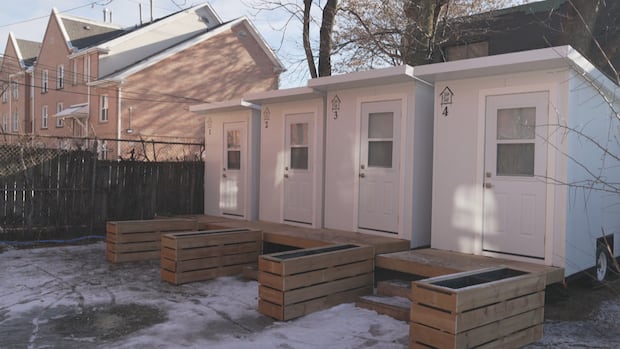
While the micro-shelter models range in size from just 48-96 square feet, Williams said moving into transitional housing like a tiny home is “pretty important.”
“It gives you a place to get away from people, have your own space, somewhere to have your own belongings,” he said.
“You don’t have privacy when you’re living on the street or living in a shelter.”
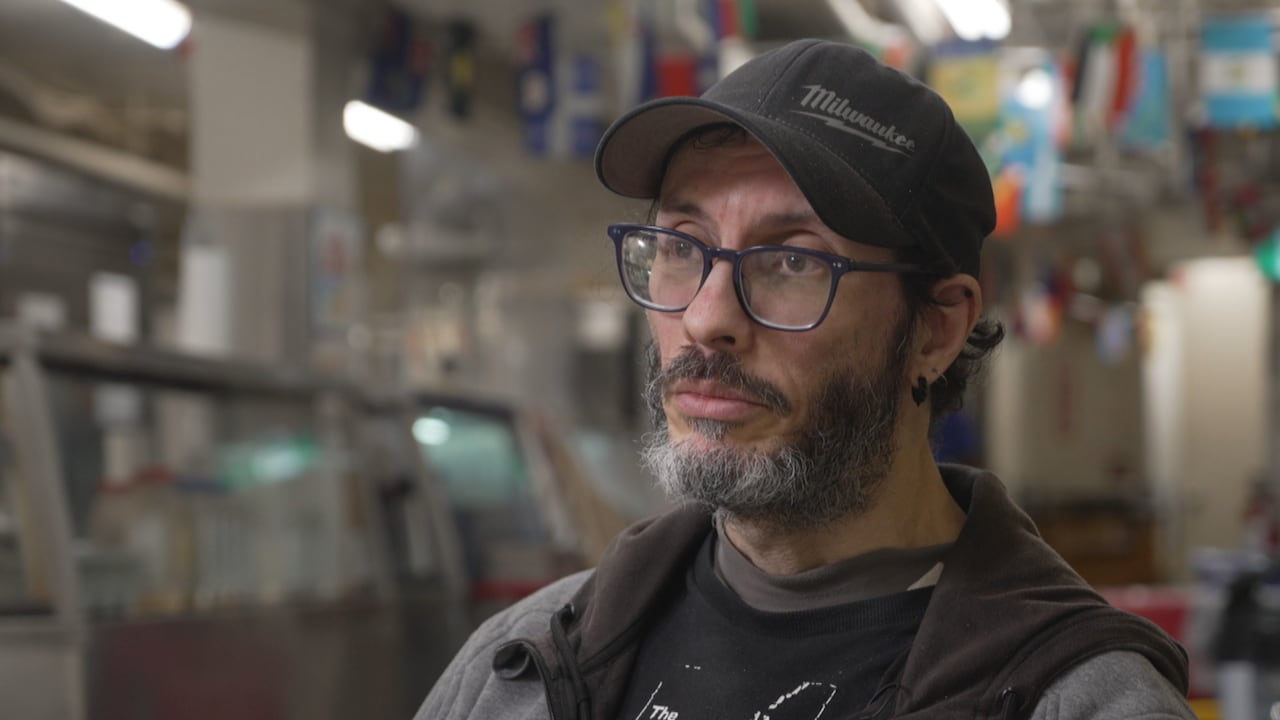 Eric Williams will be the first person to move into a small village of micro shelters currently under construction in Scarborough. (CBC News)
Tiny Tiny Homes, a Toronto charity that builds mobile and emergency shelters for those experiencing homelessness, is behind the vision.
Executive director Ryan Donais said the plan is to build a 10-shelter community complete with a common building, washrooms, and on-site staffing.
“We only started this endeavor a couple of weeks ago, and the response has been awesome,” he said.
The development site is called Brent’s Place, and according to the Tiny Tiny Homes website, it was inspired by a man named Brent who was one of the first residents of a shelter set up by the charity. Brent was able to move into permanent housing afterwards, before he died last year, the website says.
Donais’ tiny shelters were previously set up in St. James Park before he received a cease and desist from the city ordering their takedown last winter. He eventually worked with the city to ensure the occupants were given somewhere else to stay.
In the year since, Donais has moved the tiny home units — and installed updated ones — at Lazarus House, an emergency transitional shelter operated by charitable organization Seeds of Hope Foundation. Tiny Tiny Homes has also worked on a number of projects across the city, according to its website.
Donais says two of the 10 Scarborough units are already built, and the plan is to finish the micro-shelter community by wintertime. Each unit will be single-occupancy and pet-friendly, he said.
The community is being built on property belonging to a family-run bakery and catering service, whose owners offered to lease a large plot of their land to Tiny Tiny Homes for $1 per year, over a three-year period.
Donais estimates the total cost to be $350,000 and says the plan is to have the project funded by private donations. Several businesses have already donated goods and volunteered labour for it.
“Everyone is chipping in to make this happen,” he said.
“It blows my mind and it really touches my heart.”
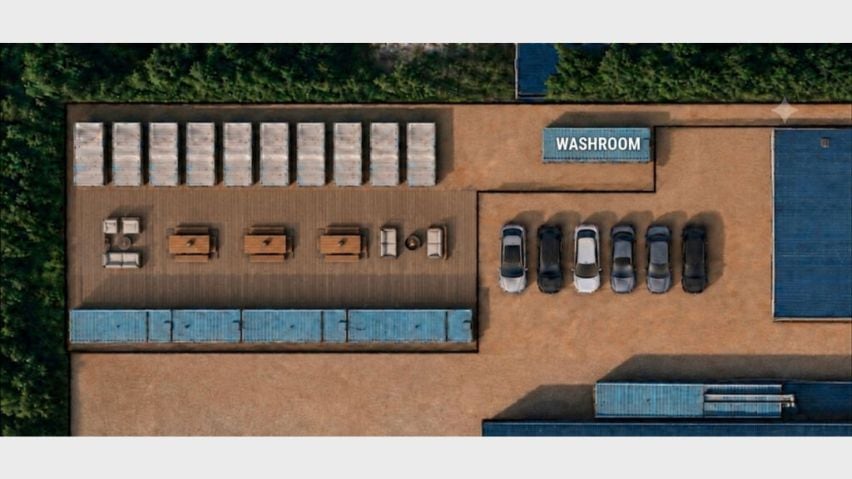 A rendering of Brent’s Place. Tiny Tiny Homes executive director Ryan Donais said the plan is to build a 10-shelter community complete with a common building, washrooms, and on-site staffing. (Tiny Tiny Homes)
When asked about the project, city spokesperson Nichole Jankowski said in an email the municipality is not “aware of the proposed project,” but any micro shelter project proposed on private land would still be subject to zoning and building rules.
Jankowski said the city is currently evaluating expression of interest applications for a two-year micro shelter pilot. Tiny Tiny Homes is among the applicants.