
Guest column: Keeping more of Vancouver Island’s forest value at home
Published 1:58 pm Friday, August 14, 2026
Vancouver Island has supplied British Columbia with world-class timber for generations, yet too much of the economic value created from our forests leaves the Island along with the logs rather than generating jobs, investment, and long-term prosperity in the communities where those trees are grown.
For generations, forestry has shaped North Cowichan’s economy, workforce, and identity. It has provided family-supporting jobs, sustained local businesses, and helped build communities across Vancouver Island, from Campbell River and Port Alberni to Lake Cowichan, Gold River, Port Hardy, and here in the Cowichan and Chemainus valleys.
Forestry communities are facing mill closures, curtailments, and growing economic uncertainty.
Yet these challenges also present an opportunity to build a stronger, more resilient forest economy by creating the conditions to keep more of our raw logs at home and transform them into higher-value products that strengthen Vancouver Island’s forestry communities.
Achieving that vision will require the Province of British Columbia to work in partnership with local governments, First Nations, value-added wood manufacturers, workers, labour organizations, educational institutions, and others to develop a Vancouver Island Value-Added Wood Manufacturing Strategy.
This proposal is not intended to reinvent the conversation. Many ideas have been well considered over the years, but they have yet to be integrated into a comprehensive, region-wide strategy with shared priorities, coordinated implementation, and provincial support.
The greatest value from our forests lies not in harvesting a log, but in what we make from it. That simple idea should guide the future of Vancouver Island’s forest economy.
The objective of a Vancouver Island Value-Added Wood Manufacturing Strategy is straightforward: create greater economic value from every tree harvested on Vancouver Island.
Value-added manufacturing includes not only converting logs into lumber, but also transforming those materials into engineered wood products, prefabricated building components, finished wood products, and other innovative products that generate skilled employment and greater economic returns.
We should expand value-added manufacturing so more of every log harvested is transformed into finished and innovative products here on Vancouver Island.
A stronger value-added manufacturing sector would also benefit harvesting and primary processing operations by creating stronger local markets for a wider range of fibre, improving fibre utilization, and helping support the long-term economic viability of forest operations.
As one of British Columbia’s historic forestry communities, North Cowichan is well positioned to help lead this initiative through its skilled workforce, transportation infrastructure, educational partnerships, and deep expertise in forestry.
Recent mill curtailments and closures affecting operations such as the Crofton Pulp and Paper Mill and Western Forest Products Chemainus sawmill have demonstrated the vulnerability of resource-dependent communities and reinforced the importance of expanding value-added manufacturing and strengthening the region’s long-term economic resilience.
Key elements of the strategy should include improving fibre access for value-added manufacturers, process innovation, technology adoption, and the modernization of existing manufacturing facilities.
It should also encourage investment in engineered wood products, mass timber, prefabrication, and other advanced wood manufacturing technologies while helping manufacturers adapt to the transition to second-growth forests and changing fibre characteristics.
The strategy should also support workforce development, foster the commercialization of innovative wood products, and expand domestic and international markets.
The measure of success is not simply the volume of timber harvested, but the economic value created from every tree. A stronger value-added wood manufacturing sector, greater private investment, expanded markets, and more skilled employment would show that Vancouver Island is creating more wealth from its forest resources.
A collaboratively developed regional strategy should strengthen Vancouver Island’s value-added wood manufacturing sector. It would also advance reconciliation through economic partnerships, support climate objectives by expanding low-carbon wood construction, and reinforce British Columbia’s position as a global leader in sustainable forest products.
While this initiative is beyond the role and capacity of municipal government, advocating for it aligns directly with North Cowichan’s Strategic Plan by fostering economic resilience, encouraging innovation, strengthening regional collaboration, and promoting long-term prosperity for the region and Vancouver Island.
North Cowichan council will consider whether to support this proposal at its mid-August meeting and whether to write to the Minister of Forests as the first step toward generating more value from every tree harvested on Vancouver Island.
Forestry will continue to be an important part of Vancouver Island’s future. The next chapter is about transforming more of what we harvest into products and opportunities that strengthen the communities that have sustained this industry for generations.
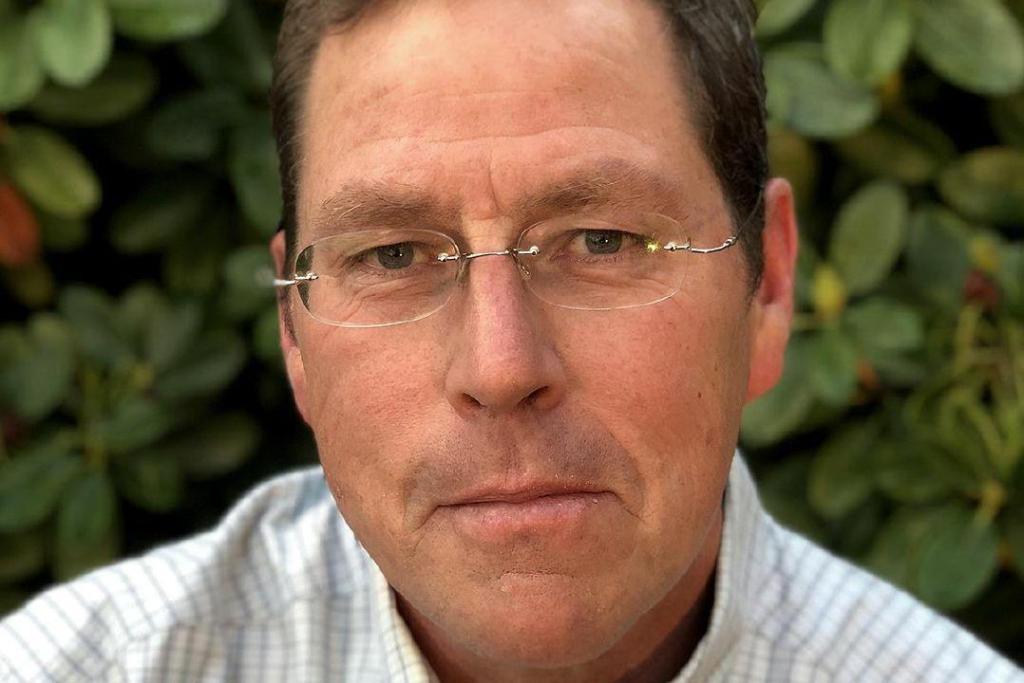
Christopher Justice in a councillor with the Municipality of North Cowichan.