
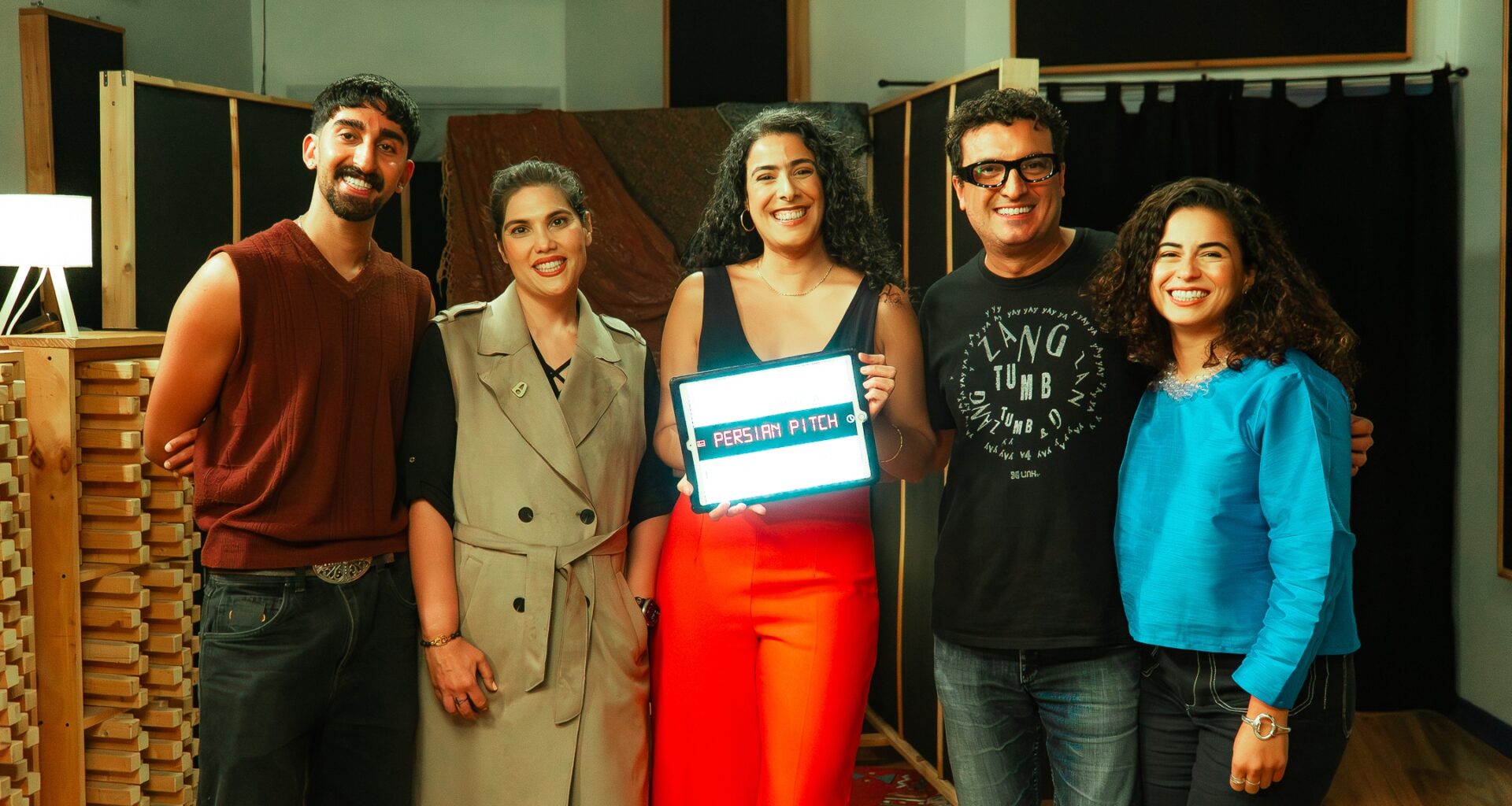
An Ottawa audience got its first look at a new Bell Fibe TV music docuseries celebrating Iranian-Canadian artists at an Aug. 6 premiere screening of the first two episodes of “Persian Pitch.”
The event at Club Saw featured a screening of the series’ opening episodes, followed by a panel discussion with creator, director and co-producer of the series, Nickie Shobeiry, artist and music mentor Afta Hill, contestant Salar Karimi and Mariam Zohouri, the host.
The five-part docuseries follows four emerging Iranian-Canadian musicians — Karimi, Kimia Koochakzadeh-Yazdi, Mahdis Samanpajouh and Mahmood “Moudy” Schricker — as they compete in a series of musical and creative challenges.
The artists, based in Toronto, Vancouver and the United States, are tasked with creating original demo tracks while incorporating traditional Persian instruments and sounds from Iranian folk band Rastak.
The series also takes the contestants through professional photography, live performances and music-industry mentorship as they compete for a career-building prize package.
For Shobeiry, the project was about creating an opportunity to celebrate Iranian culture through a different lens.
“I think we all know here, incredibly difficult things have been in Iran for decades,” Shobeiry said during the panel talk. “So just being able to show the joy that exists in this community — the laughter, the jokes” was important to her.
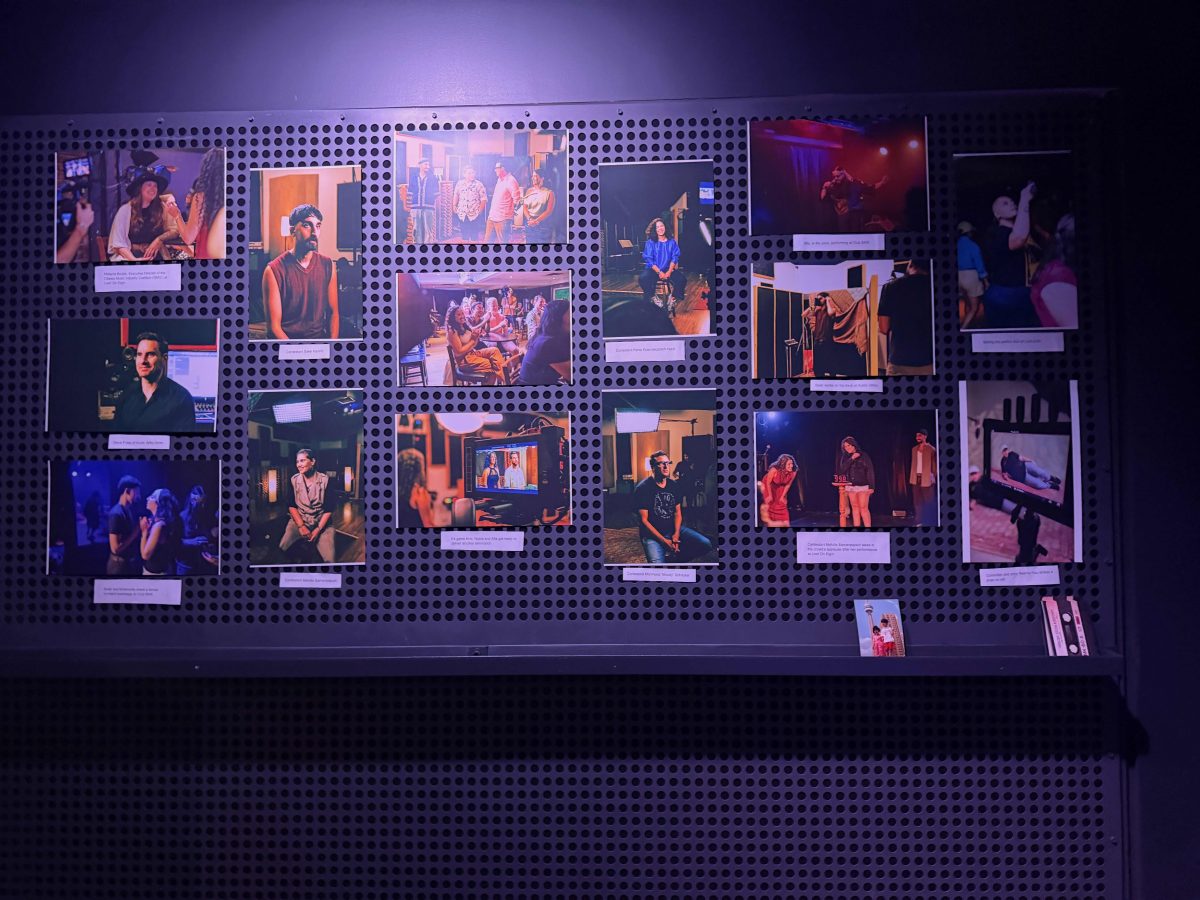 A collage of behind-the-scenes photos from the making of “Persian Pitch” is displayed at the series’ premiere at Club SAW in Ottawa on Aug. 6. [Photo © Marjan Massoom]
Shobeiry said her connection to the band, Rastak — an internationally known Iranian folk group, incorporating traditional Persian instruments and sounds into contemporary tracks — also helped shape the project. The band’s music was part of her own experience growing up, and she saw an opportunity to introduce its traditional sounds to audiences who may not otherwise encounter them.
Iran’s musical traditions are diverse, she said, with different regions producing sounds that can be dramatically different from one another.
“I was like, well, it’s my hand at this,” Shobeiry said, describing the series as a way to bring traditional Persian sounds to new audiences.
The contestants also worked with Ottawa producer Steve Foley, owner of Audio Valley studio, and received guidance from Afta Hill, an independent R&B artist whose own music career has attracted hundreds of thousands of listeners.
For Hill, becoming the show’s mentor was an opportunity to offer the kind of guidance he said he wished he’d received earlier in his own career.
“I had so many moments where I was like, ‘I really, really wish someone could help me figure this out,’ ” Hill said.
He said that representation was particularly important for artists from an underrepresented diaspora.
 From left to right: Mariam Zohouri, Nickie Shobeiry, Afta Hill and Salar Karimi speak during a panel discussion following the “Persian Pitch” premiere at Club SAW in Ottawa on Aug. 6. [Photo © Marjan Massoom]
“The next kid who is trying to do what I’m doing is gonna just have a proof of concept,” Hill said. “It’s gonna have something to point to. It’s gonna see people who look like them, people who sound like them, represented.”
The competition included having the four contestants take part in professional branding and photography challenges, perform live and face eliminations before an industry judging panel.
That panel includes Ricki Bekzadeh, senior A&R and marketing at OVO Sound and programming director at The Remix Project; Yasmine Rasool, senior programming manager at Live Nation Middle East; and producer and multi-instrumentalist ASADI.
The contestants also performed at LIVE! on Elgin, where an audience vote became part of the competition.
For Karimi, participating in the series has been an exercise in understanding himself as an artist.
The pressure of producing music on a tight schedule, recording multiple takes and competing alongside musicians he had grown close to made him reflect on his creative process, he said.
“Everyone around me helped shape the music that I wanted to make,” Karimi said during the panel.
 Salar Karimi performs during an episode of the “Persian Pitch” docuseries. [Photo © John-Finnigan Lin]
Looking back, Karimi said the biggest lesson was recognizing that he belonged in the space. He said artists should be able to share their stories and music without becoming consumed by pressure over whether everyone will like their work.
While one contestant ultimately takes home the grand prize, all four artists leave the competition with a professionally produced demo.
The winner also receives an all-expenses-paid studio session in Toronto through Red Bull Canada, professional development support from Small World Music, a performance opportunity during the Ottawa Music Industry Coalition’s Capital Music Week and membership access to Shams Club.
The night ended with a dance party, giving attendees a chance to celebrate Iranian music and culture together.
The “Persian Pitch” docuseries is now available to watch on Bell Fibe TV1.