

Listen to this article
Estimated 5 minutes
The audio version of this article is generated by AI-based technology. Mispronunciations can occur. We are working with our partners to continually review and improve the results.
First Nations organizations say Canada’s recent request to reconstitute the Canadian Human Rights Tribunal panel hearing proceedings on child welfare reform could further delay the process.
The Attorney General of Canada sent a letter to the tribunal chair on July 28 asking to “reconstitute” the judging panel to proceed with remaining work required by the tribunal’s 2016 landmark child welfare decision.
A three-member panel began hearing the case in 2012. Its 2016 decision said Canada had discriminated against First Nations children on reserve and in Yukon by underfunding child welfare agencies. It called for compensation for those affected and reform of the system.
One panel member died in 2015. Edward Lustig resigned July 7, leaving Sophie Marchildon as the sole remaining member.
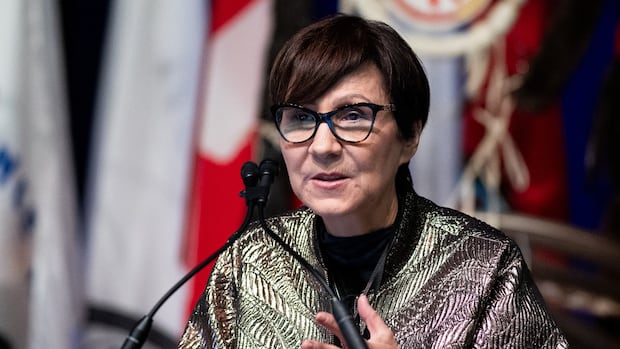
Cindy Blackstock, executive director of the First Nations Child and Family Caring Society, said she was “gobsmacked” when she heard of Canada’s request.
“It’s completely out of left field,” she said.
“It’s going to delay things for children, which are the ones who are going to be paying the price the most.”
Blackstock said Canada’s request is “uncomfortably close to judicial interference.”
“[Canada] doesn’t want anybody looking at what it’s doing and holding it accountable to a higher standard for First Nations children,” Blackstock said.
The Caring Society’s submission to the tribunal chair this month stated context and knowledge of former rulings is necessary to proceed with the long-term reform talks.
“Long-term remedies cannot be considered in isolation from the findings that gave rise to them,” the counsel for the Caring Society wrote.
Blackstock said reconstituting the panel would delay the proceedings “significantly” and is “unnecessary.”
“The Canadian Human Rights Act says you can have one person sitting on the case,” she said.
“That’s what we have, and we have a person that is very fluent in this case. Let them continue to do their job.”
Spokesperson for Indigenous Services Canada Eric Head said Canada’s request “does not seek to delay the proceedings nor does it concern the participation of any particular member of the tribunal.”
Canada’s reply submission to the tribunal last Friday states a three-member panel would “enhance public confidence” in the tribunal’s processes and that it has not attempted “to select who should hear this matter or to influence the composition of any reconstituted panel.”
“Efficiency is important, but expediency cannot determine questions of statutory authority. Resolving the issue now helps protects the legitimacy of future orders,” counsel for the Attorney General Dayna Anderson and Sarah-Dawn Norris wrote.
Request ‘a tactic,’ says Ontario regional chief
In 2023, the tribunal approved $23.3 billion in compensation for children and families harmed by chronic underfunding in the child welfare system on-reserve and in Yukon.
The final hearing on long-term reform is currently set for March 2027.
In a submission to the tribunal chair, Marchildon accused the federal government of engaging in “judge shopping.”
“Seeking a panel reset at a critical juncture acts as a systemic obstruction,” Marchildon wrote.
“Delaying final remedies through procedural technicalities directly impacts the human rights of First Nations children and families.”
Marchildon said a new panel would need to interpret 14 years of rulings and orders “that they did not issue and to determine whether those orders have been adequately satisfied,” which she said could “jeopardize the integrity of the long-term reform process.”
Peter Mantas, general counsel for the Assembly of First Nations, wrote in a court submission that Marchildon was “uniquely positioned to perform” the remaining adjudication that “requires an understanding and appreciation of both the historical evidentiary record and the new evidence before the tribunal.”
The Chiefs of Ontario and Nishnawbe Aski Nation wrote in a joint submission that the proceedings “must remain on effective and timely redress for violation of the human rights of First Nations children, families, and nations.”
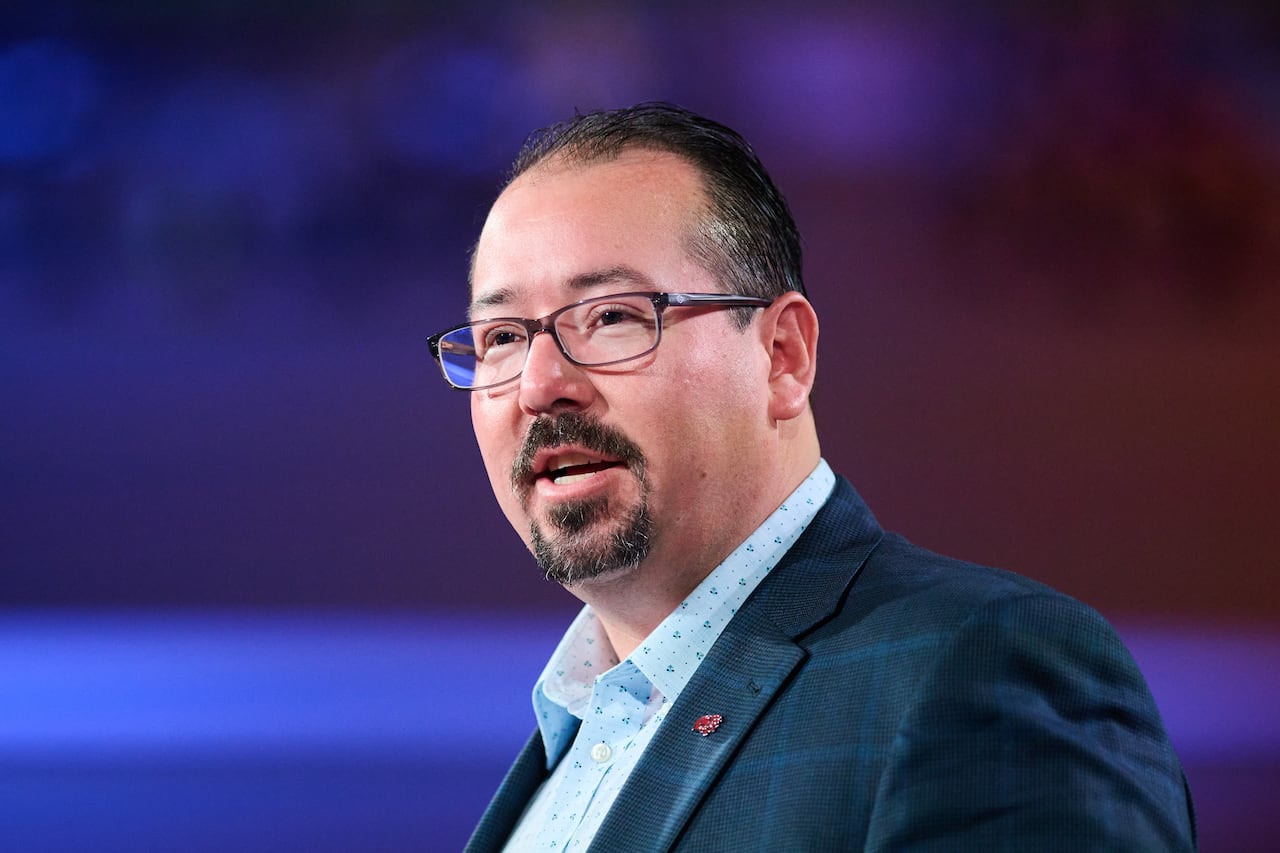 Ontario Regional Chief Abram Benedict says Canada’s request would stall the Ontario Final Agreement on long-term reform for child welfare. (Sammy Kogan/The Canadian Press)
Ontario Regional Chief Abraham Benedict said Canada’s request would stall the Ontario Final Agreement for long-term child welfare reform.
“I think it is a bit of a tactic, which is very disappointing and concerning that Canada would put that forward,” he said.
The $8.4 billion agreement was approved by the tribunal in March. Canada initiated a partial judicial review of the decision in May, asking Federal Court to review the exemption of two First Nations from the agreement.
“For Canada to continue to try to short circuit processes is concerning, is upsetting, frankly, unacceptable,” he said.
“We want to be able to continue to build and support capacity in our communities, and so I would say that by this decision by Canada, it casts a doubt … of do they want the same for all other regions.”