
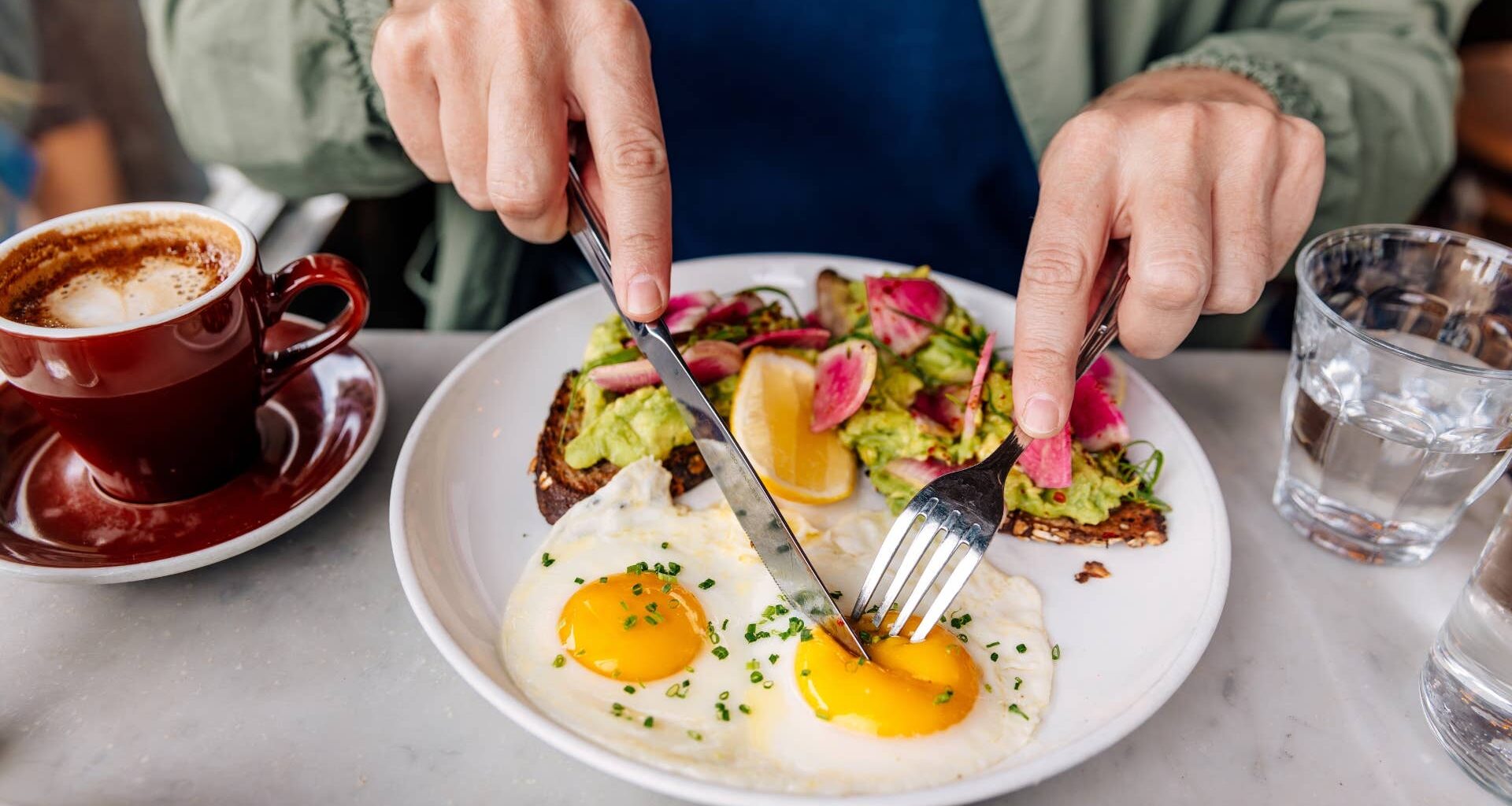
It’s important to start your day with high-grade fuel. This means chowing down on healthy breakfast foods to get your morning dose of protein, especially those muscle-building branched-chain amino acids (BCAAs). But don’t count out whole grains, fruit, vegetables, and dairy, either. Research shows that having a well-balanced meal first thing in the day can improve memory, support metabolism to help you maintain a healthy weight, and help you get in important nutrients like protein, fiber, vitamins, and minerals.
“Breakfast is an opportunity to set the tone for your day—fueling muscles, supporting focus and stabilizing blood sugar,” says Amy Shapiro, MS, RD, CDN, ButcherBox lead nutritionist. “For those with strength or muscle goals, a morning dose of protein helps stimulate muscle protein synthesis. And, if weight loss or maintenance is the goal, a balanced breakfast helps reduce overeating later, curbs cravings, and helps many meet their fiber goals, which most Americans miss.”
With guidance from top nutrition experts, we’ve rounded up the 10 healthiest recipes to kickstart your day with energy and nutrition.
Related: This Protein Shake Packs 36 Grams of Muscle-Building Power—and Tastes Like Pumpkin Pie
The 10 Healthiest Breakfasts to Start Your Day Right1. Vegetable Scramble With Toast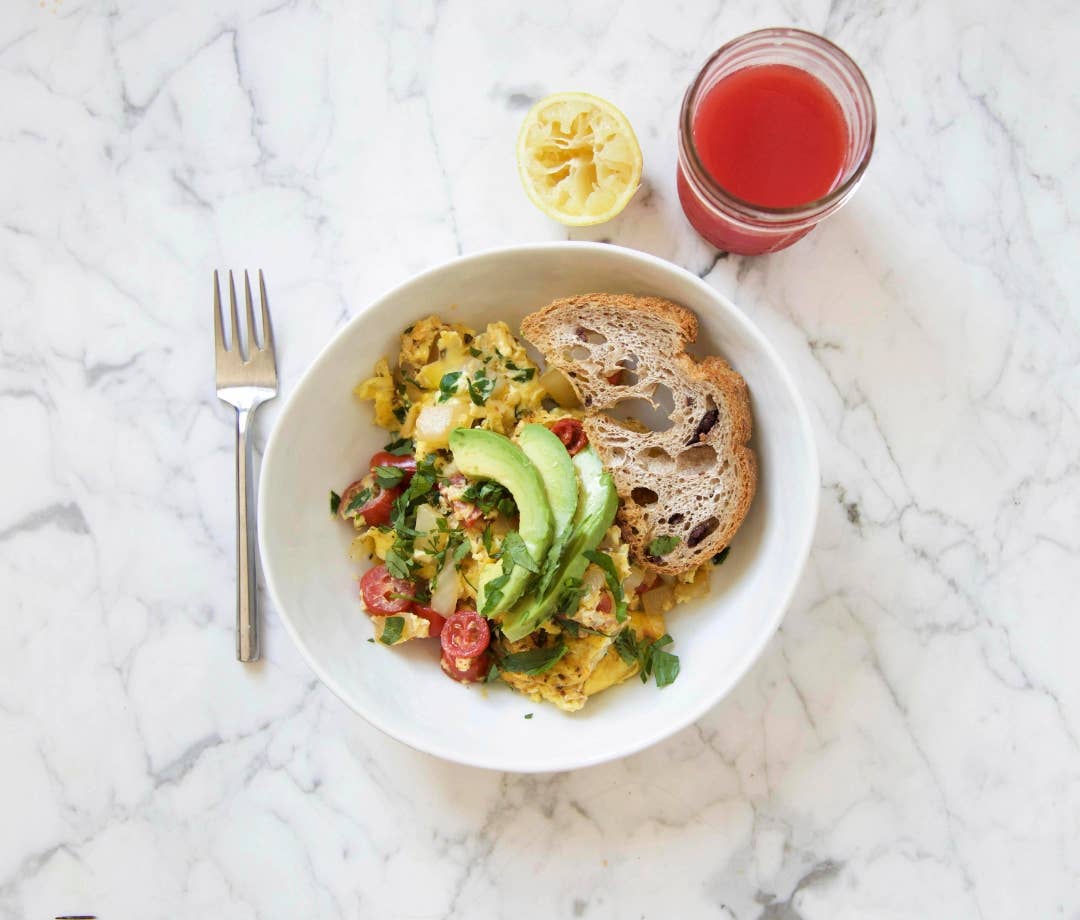
Getty Images/ Cavan Images
“If you have time to cook in the morning or want a quality refuel after a workout, I recommend a vegetable scramble with two eggs and egg whites, along with a slice of whole-grain bread,” says Kelly Jones, MS, RD, CSSD.”
A breakfast like this covers all the bases—healthy fats and protein from the eggs, nutrients from the vegetables, and quality carbs from the whole-grain bread—making it especially effective for athletes. Plus, one study found that eating eggs and toast for breakfast kept people fuller than a breakfast comprised of cereal with milk and juice.
2. Mediterranean-Style Quinoa Breakfast Bowl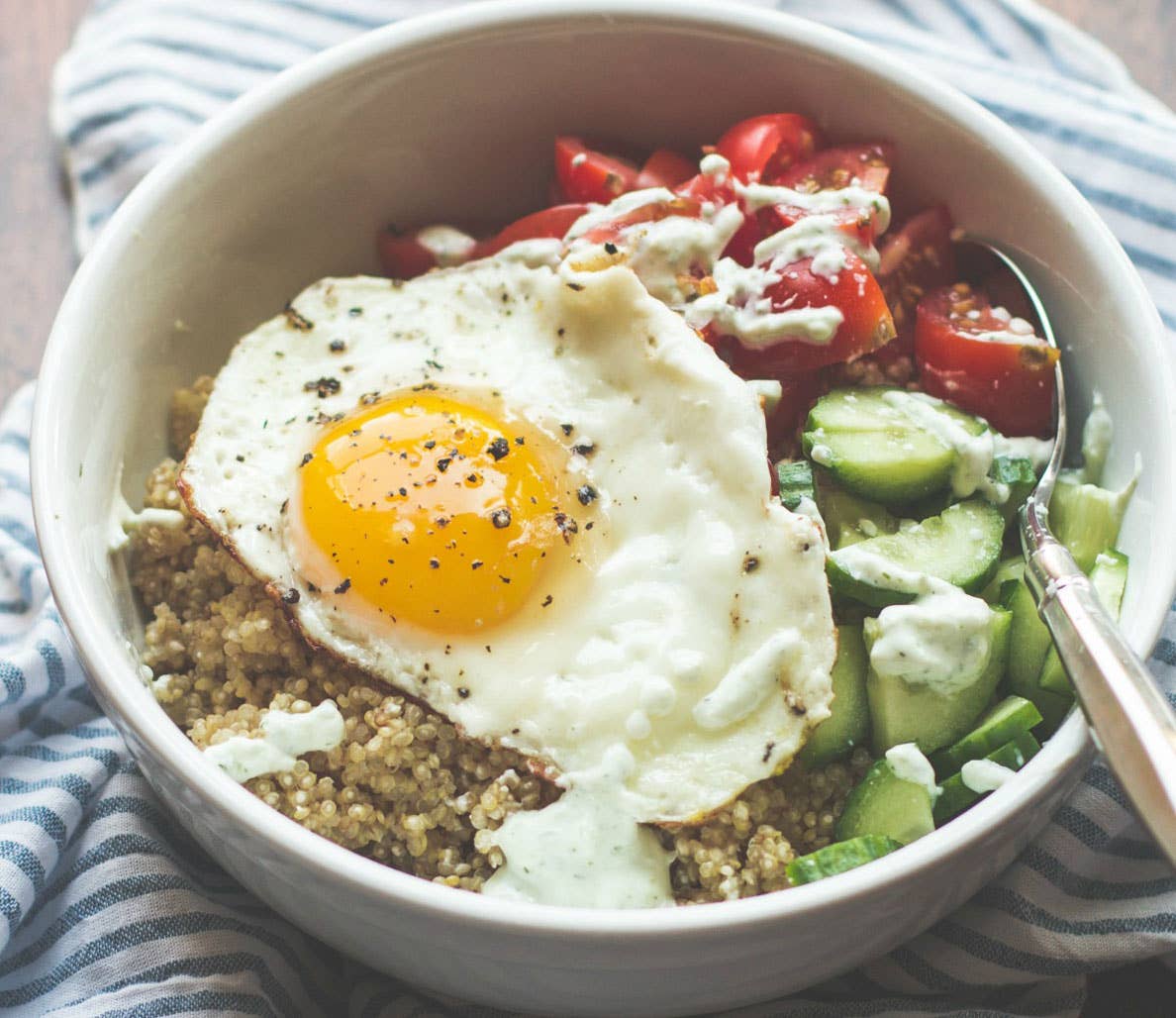
This Mediterranean-Style Quinoa Breakfast Bowl has it all: lean protein filled with BCAAs, vegetables, and whole grains. Quinoa is technically a seed that has the characteristics of a whole grain. It contains all nine essential amino acids, which gives you a complete protein source to keep you full longer. Plus, it’s naturally gluten-free, rich in fiber, and also packs on protein, which is essential for muscle synthesis.
3. Honey-Baked Oatmeal Squares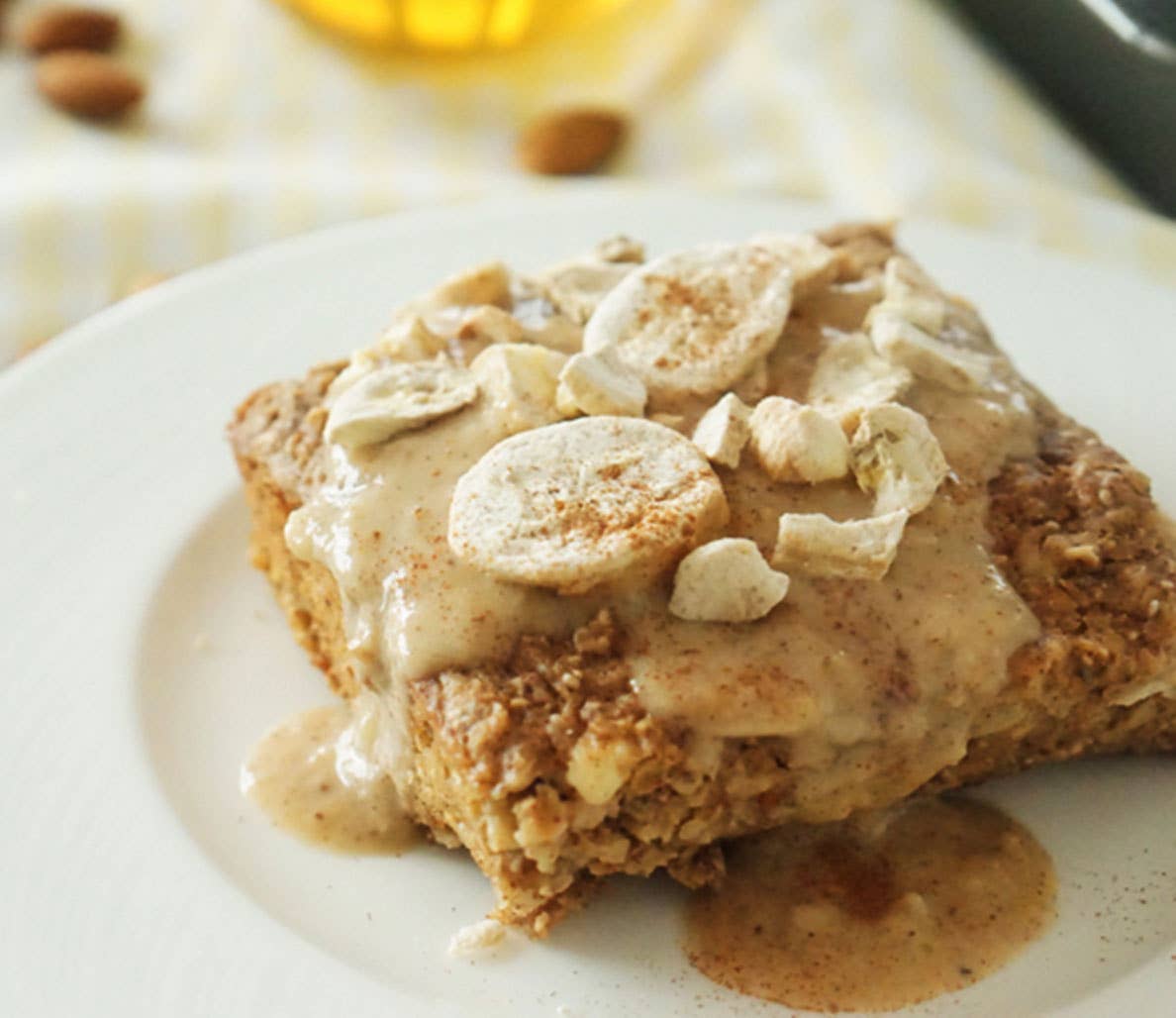
Think outside the cereal bowl and enjoy oatmeal in gluten-free baked squares. Packed with wholesome ingredients like cottage cheese, bananas, almond milk, chia seeds, and almond butter, each square delivers 10g of protein and 7g of fiber per serving—perfect for a quick, nutrient-packed breakfast or snack.
“Oatmeal is a fiber-rich start to your day that can be made over the stove, in the microwave, or prepared the night before to enjoy straight from the fridge,” Jones says. “I suggest preparing it with milk or unsweetened soymilk rather than water to increase protein content. You can add more protein with nuts and seeds or by enjoying it savory with eggs or sliced chicken sausage, leftover or pre-prepped veggies.”
4. Coconut Vanilla Whole-Wheat Waffles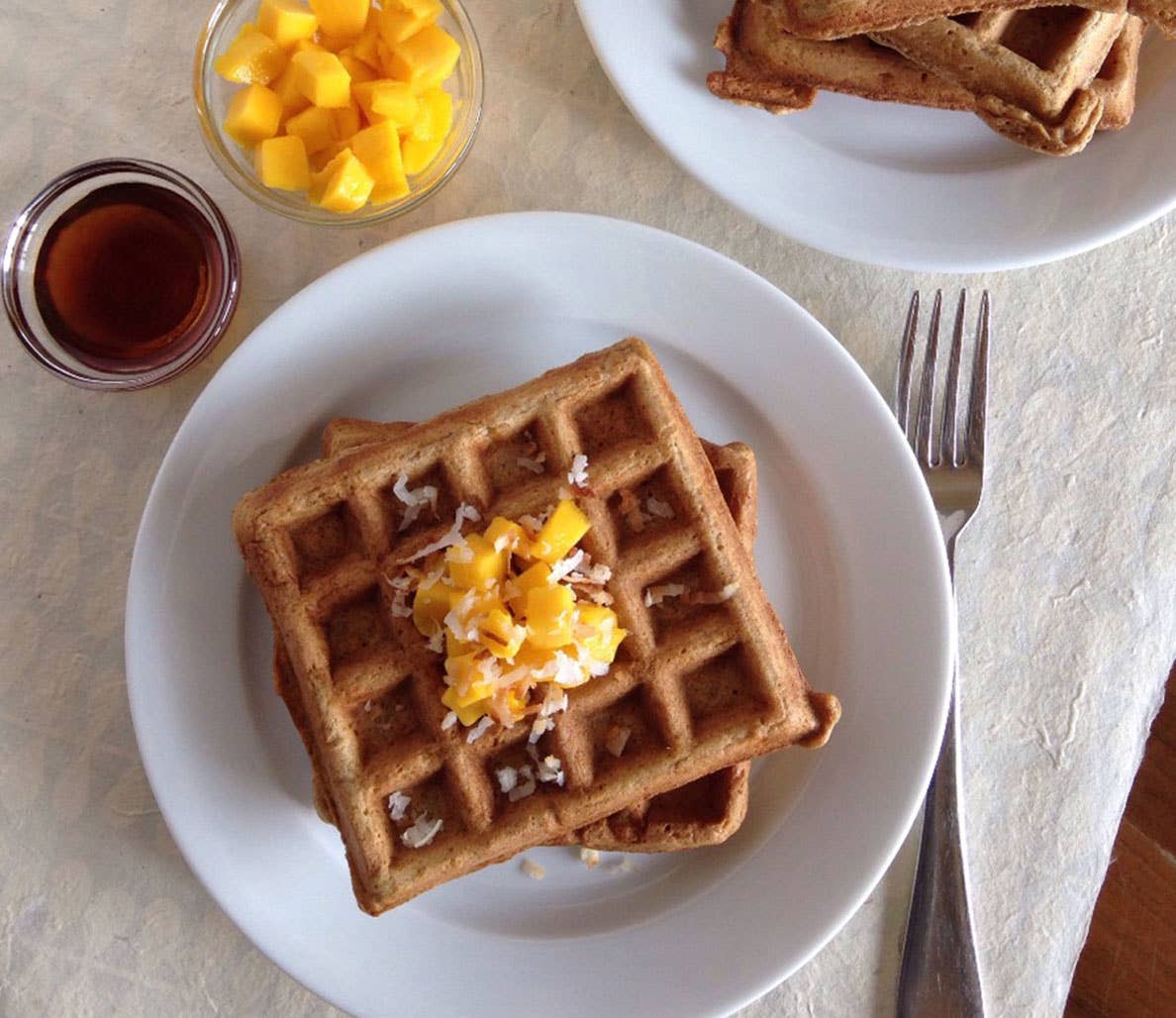
Waffles are a great source of carbohydrates, but on their own, they lack the protein, fats, and nutrients needed to make a complete breakfast. These coconut vanilla whole wheat waffles combine whole-wheat flour and whole-wheat pastry flour with flaxseeds and coconut milk for added fiber and medium-chain triglycerides (MCTs), for a quick energy boost. Top them with mango or berries for nutrients and a side of nitrate-free, uncured turkey bacon for extra protein.
These waffles also freeze well. Make them ahead of time and place them in a freezer bag (separated by pieces of parchment paper) until they’re ready to eat.
5. Greek Yogurt Parfait with Fresh Fruit and Nuts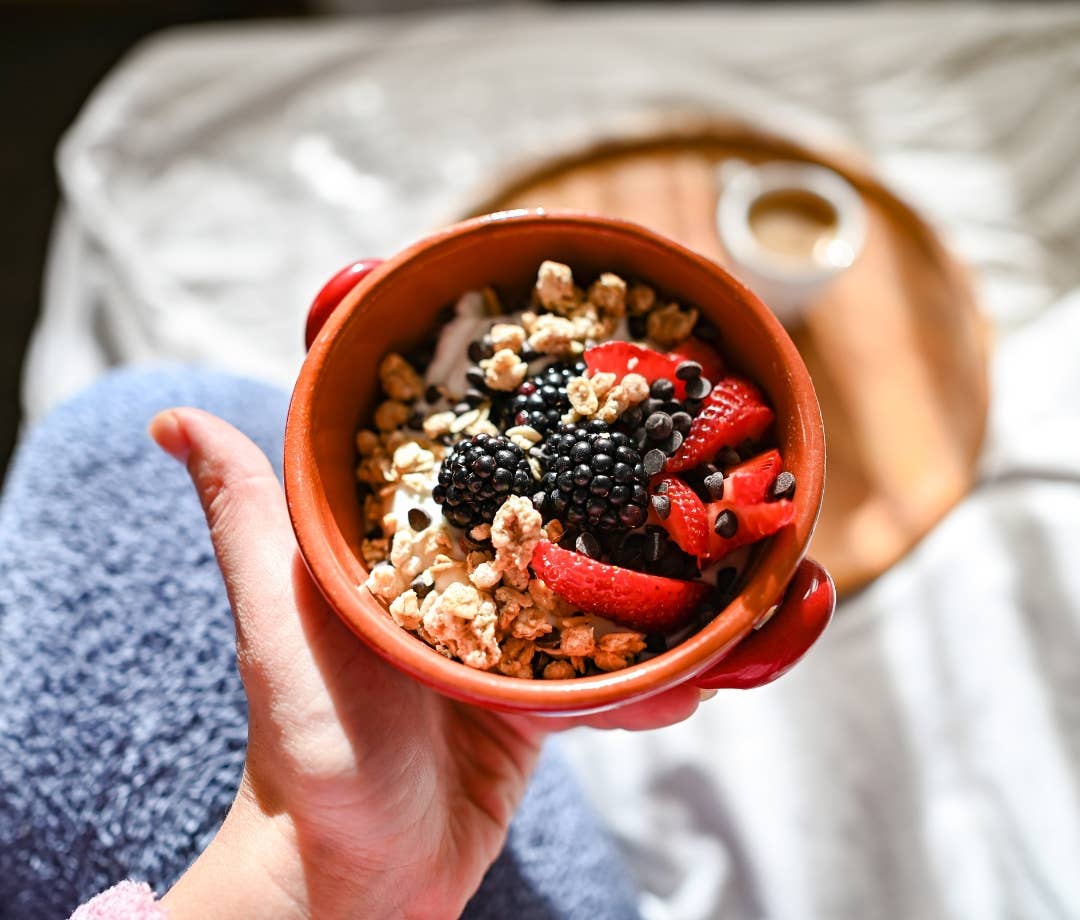
Getty Images/ Yuliya Taba
“Greek yogurt is a protein-rich option, packing 15 to 17g of protein per 6 oz serving. Nuts like almonds add about 3g of protein, along with healthy fats,” says Yaa Boakye, RDN, CPT, a nutrition consultant and body data practitioner. “Pairing this with fiber-rich fruits like berries or mango makes it a balanced, filling breakfast.”
For extra fiber and omega-3s, top the bowl with flaxseeds or chia seeds and some fresh fruit like apples, bananas, or tropical fruits such as papaya.
Related: The 6 Diet Mistakes Quietly Tanking Your Testosterone
6. Peanut Butter and Banana Smoothie with Oats
Getty Images/ Westend61
If your mornings are a whirlwind of gym sessions, kids’ drop-offs, and getting ready for work, you probably don’t have much time for a proper meal. That doesn’t mean you have to skip breakfast altogether. A whole-food smoothie, like a peanut butter, banana, and oat blend, can fuel your morning quickly and efficiently.
“Oats alone aren’t particularly high in protein (about 5g per cup), so combining them with peanut butter (about 4g per tbsp) and milk (8g per cup) helps create a more balanced meal,” says Boakye. “Adding a banana for sweetness and potassium rounds it out.”
7. Tofu Scramble With Spinach and Salsa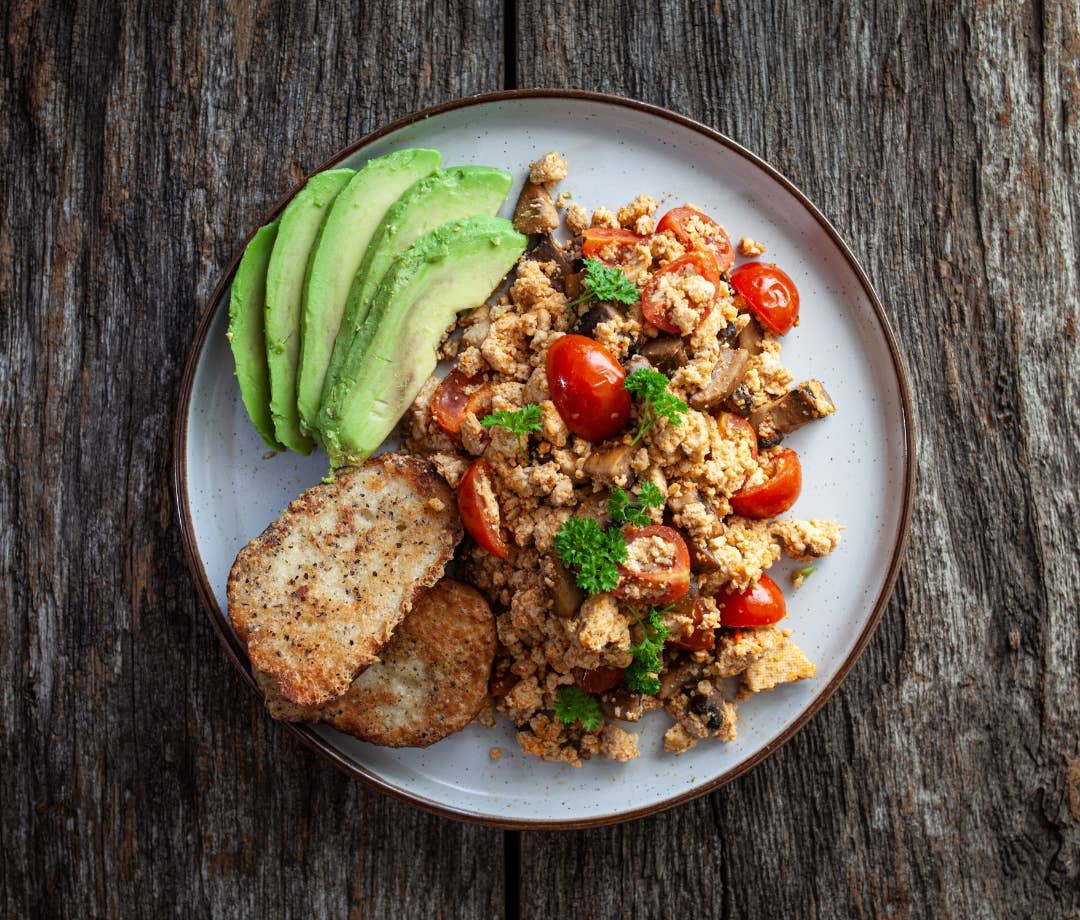
Getty Images/ Michael Dolicke
If you’re vegetarian or vegan, it can feel like high-protein breakfast options are limited. Outside of relying on protein powders, many choices are heavy on grains and light on protein. That’s what makes a tofu scramble such a solid option—it’s versatile, protein-packed, and easy to customize with veggies and seasonings.
“Tofu is a plant-based protein powerhouse, offering around 10-12g per half block,” Boakye. “Spinach provides a nutrient boost, and salsa adds flavor without unnecessary calories or sodium. Use spices like turmeric, cumin, or chili powder to flavor the tofu. You can also add mushrooms, bell peppers, or zucchini for more veggies.”
8. Black Bean Burrito on a Whole Wheat Tortilla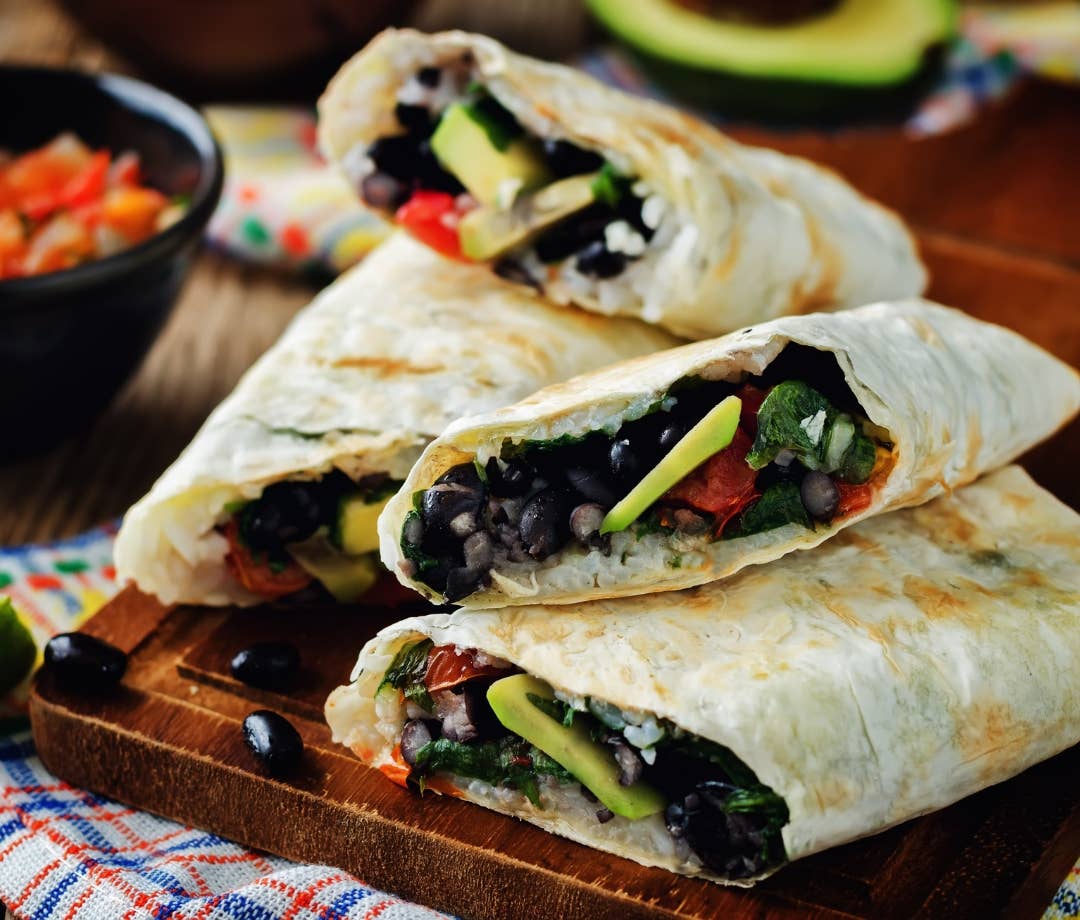
Getty Images/ nata_vkusidey
If you’re short on time, you can make a veggie-packed breakfast burrito during your weekly meal prep that can be warmed up on weekday mornings. This burrito has refried beans for protein and fat, veggies for added nutrients, and a whole wheat tortilla for healthy carbs. If you want extra protein, throw in a scrambled egg or two.
“Beans are an affordable protein source, offering around 7 to 8g per half cup. Whole wheat tortillas provide another 3 to 5g of protein, making this burrito filling and fiber-rich. Add toppings like guacamole, salsa, or hot sauce for extra flavor. You can also add shredded lettuce, cilantro, or cheese if you want extra texture.”
9. Pumpkin Apple Oatmeal Protein Pancakes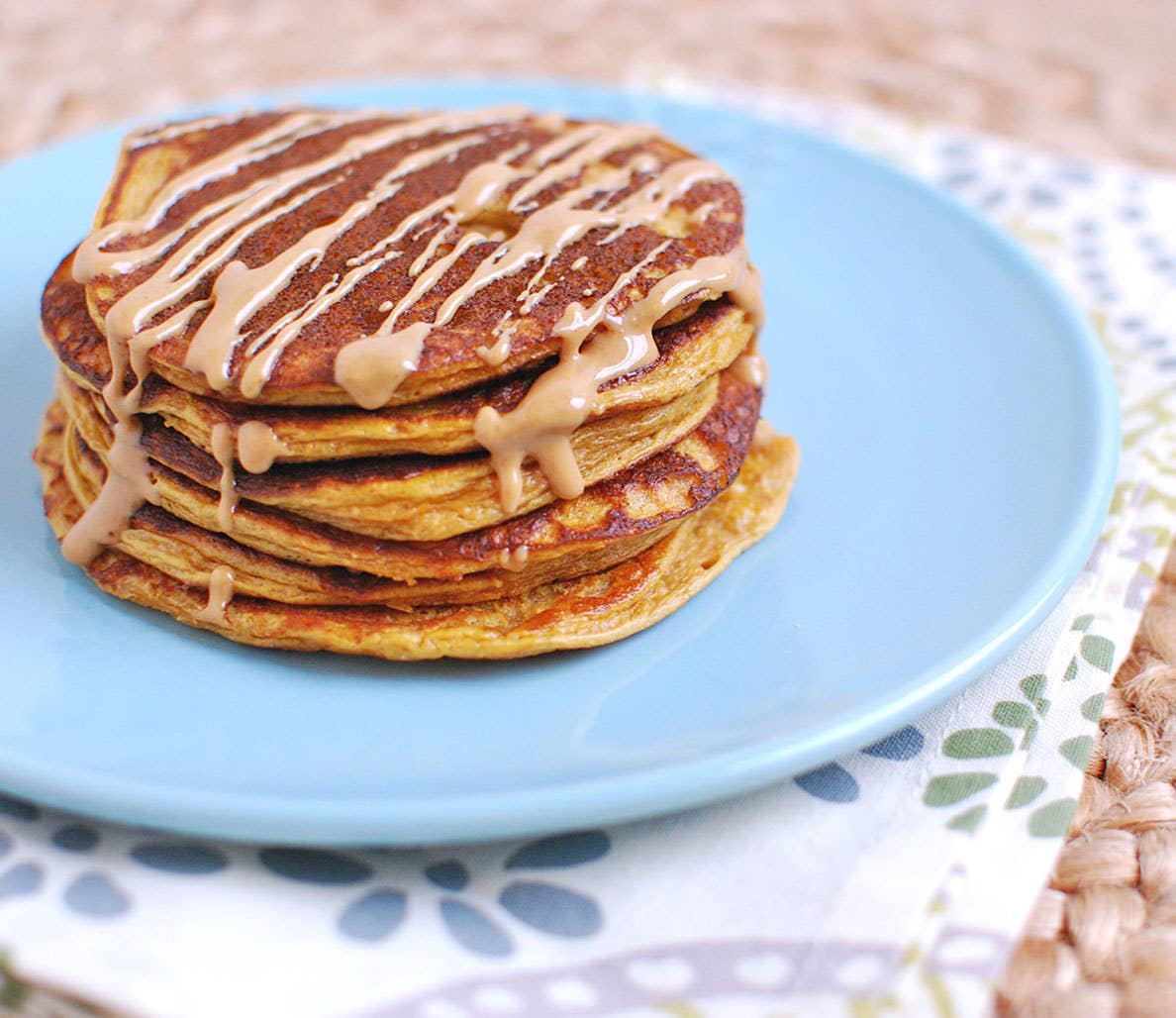
Unlike classic buttermilk pancakes, which are high in carbs and calories but offer little nutritional value, these pumpkin pancakes pack a punch. Each serving provides 18 grams of protein, healthy fats, and essential nutrients like vitamin A, vitamin C, and potassium,making them a satisfying and nourishing way to start your day.
10. Smoked Salmon on Whole Wheat Crackers
Getty Images/ Pinkybird
A lot of people don’t have a huge appetite in the morning, and if it sounds like you, you might need to start with something small to get your day off right. Soked salmon on whole wheat crackers is quick, easy, and nutritious. “Salmon is rich in omega-3 fatty acids and protein, offering 14-16g per 2 oz serving,” Boakye says. “Whole wheat crackers add fiber, balancing out the meal. Add cream cheese or a plant-based spread, and top with cucumber slices or capers for extra flavor. You can also sprinkle fresh herbs like dill or chives.”
What is a Healthy Breakfast?
Over the years, you’ve probably heard people say breakfast is the most important meal of the day. While some people choose to fast in the morning, eating a healthy meal can jumpstart your energy levels and help you stay focused throughout the day. After fasting overnight, breakfast replenishes glucose levels, providing fuel for both physical activity and mental performance. But not all breakfasts are created equal.
“What makes a good breakfast is really having a balanced mix not just of macronutrients (high fiber from carb, protein, and healthy fats) but also something you genuinely look forward to eating,” says Marissa Beck, MS, RDN. “If we do not like what we eat, chances are it is not a meal that will end up being sustainable in the long run. I also recommend looking at produce as its own category versus as the carb in a meal, so that you can have a fuller, more satisfying breakfast that keeps you fuller both mentally and physically.”
Related: Are Ultra-Processed Foods Really Wrecking Your Health? Experts Break Down the Evidence
What to Look for in a Healthy Breakfast
Getting something in your stomach to start the day is the main goal of breakfast. But if you want to optimize your energy levels, jumpstart a weight-loss goal, or maintain muscle mass, you’ll need to do more than just pour a bowl of cereal.
“I always recommend balancing your macronutrients and including protein, fiber, and healthy fats in each meal, especially breakfast,” says Shapiro. “Aim for at least 20 to 30 grams of protein (3 to 5 ounces of lean protein, 1 cup Greek yogurt, or 3 to 4 eggs) plus 1 tablespoon of oil or half an avocado and 1 to 2 cups of fruit, vegetables, or whole grains…A great overarching rule is to build your plate around a high-quality protein, then add color (produce), complex carbs, and healthy fats.”
This story was originally published by Men’s Journal on Aug 18, 2026, where it first appeared in the Nutrition section. Add Men’s Journal as a Preferred Source by clicking here.