
Weight, nutrition and muscle mass often dominate conversations about healthy aging, but another important measure can be easier to overlook: bone density.
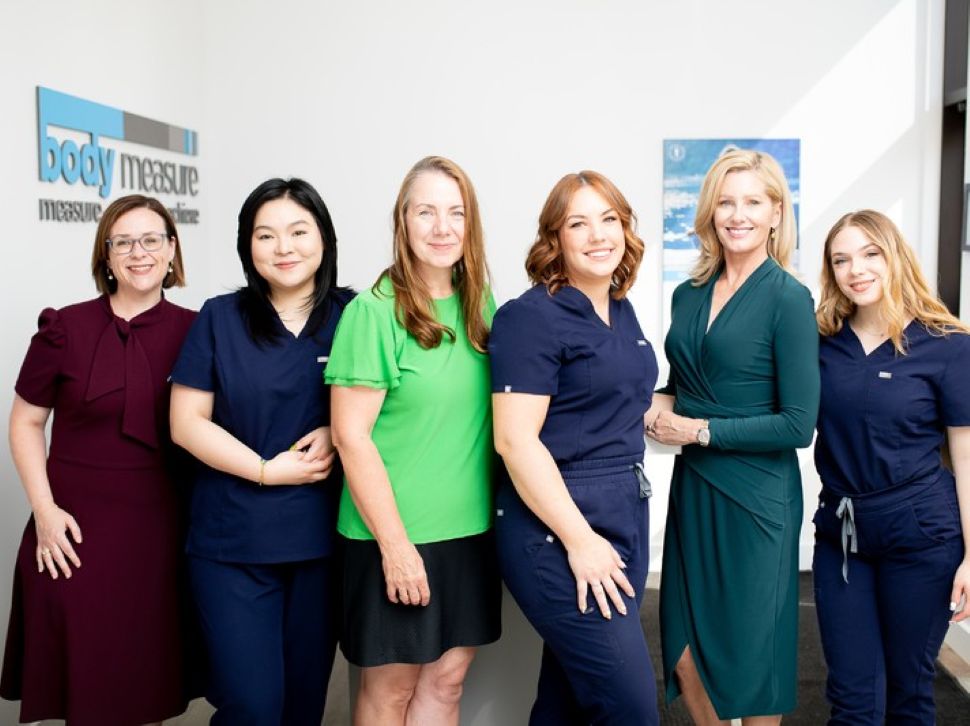
At Body Measure in Winnipeg, co-owner Melina Elliott says more people, particularly women, are beginning to recognize the importance of understanding their bone health before serious problems develop.
“We are having those conversations more and more,” says Elliott, who holds a Master of Science in Community Health and is a Certified Obesity Counsellor. “There are some people that don’t know anything about bone health.”
Understanding bone density
Bone density is closely connected to the risk of osteopenia and osteoporosis, conditions characterized by weakening bones and an increased likelihood of fractures.
Most bone density is built during the late teens and early 20s, Elliott explains. For women, density can begin declining in the mid-30s, with hormonal changes around perimenopause contributing to further bone loss.
“If you didn’t build up a high enough bone density in your late teens and early 20s, when you do experience that natural decline, you’re at a greater risk of developing osteoporosis or osteopenia,” she says.
Knowing where an individual stands can help identify concerns before they lead to more significant complications. Body Measure uses DEXA scanning, technology often discussed in relation to body composition, to assess bone density. Elliott notes that diagnosing osteoporosis and osteopenia is one of the primary clinical applications of DEXA technology.
A scan can provide information about a person’s current bone density and whether results indicate an increased risk of osteopenia or osteoporosis.
Building a plan around the results
If a scan identifies an area of concern, Body Measure can provide clients with their results to share with their family doctor. Clients can also work with the clinic’s nurse practitioners and registered dietitian as part of a broader approach to supporting bone health.
Nutrition is one component of that approach. “Protein is so important,” Elliott says, adding that adequate protein supports muscle mass, which in turn helps support bones. Calcium, potassium and magnesium are also important nutrients for bone health.
Weight-bearing and impact exercise can play a role as well. Depending on a person’s abilities, activities could include jumping, skipping, box jumps or walking briskly while wearing a weighted vest.
The appropriate approach will vary from one person to another, making professional guidance particularly important when health conditions or physical limitations are involved.
RELATED STORIES
Health care as a team effort
Elliott encourages people to think of their health care providers as a team rather than expecting one practitioner to address every aspect of their health.
“We always say that you should have a team that is looking after your health because very rarely will you find one practitioner that can deal with everything,” she says.
Body Measure provides clients with paper and electronic copies of their reports and, with the client’s direction, can send information to their primary care provider while highlighting areas of concern.
For Elliott, that communication is part of helping clients better understand their health and determine what steps may come next. “We are happy to work with your primary care provider because we do believe in the team,” she says.
Body Measure is located at 1086 St Mary’s Rd in Winnipeg and can be reached by calling (204) 691-1887. Additional information about the clinic and its services can be found at www.bodymeasure.ca.