
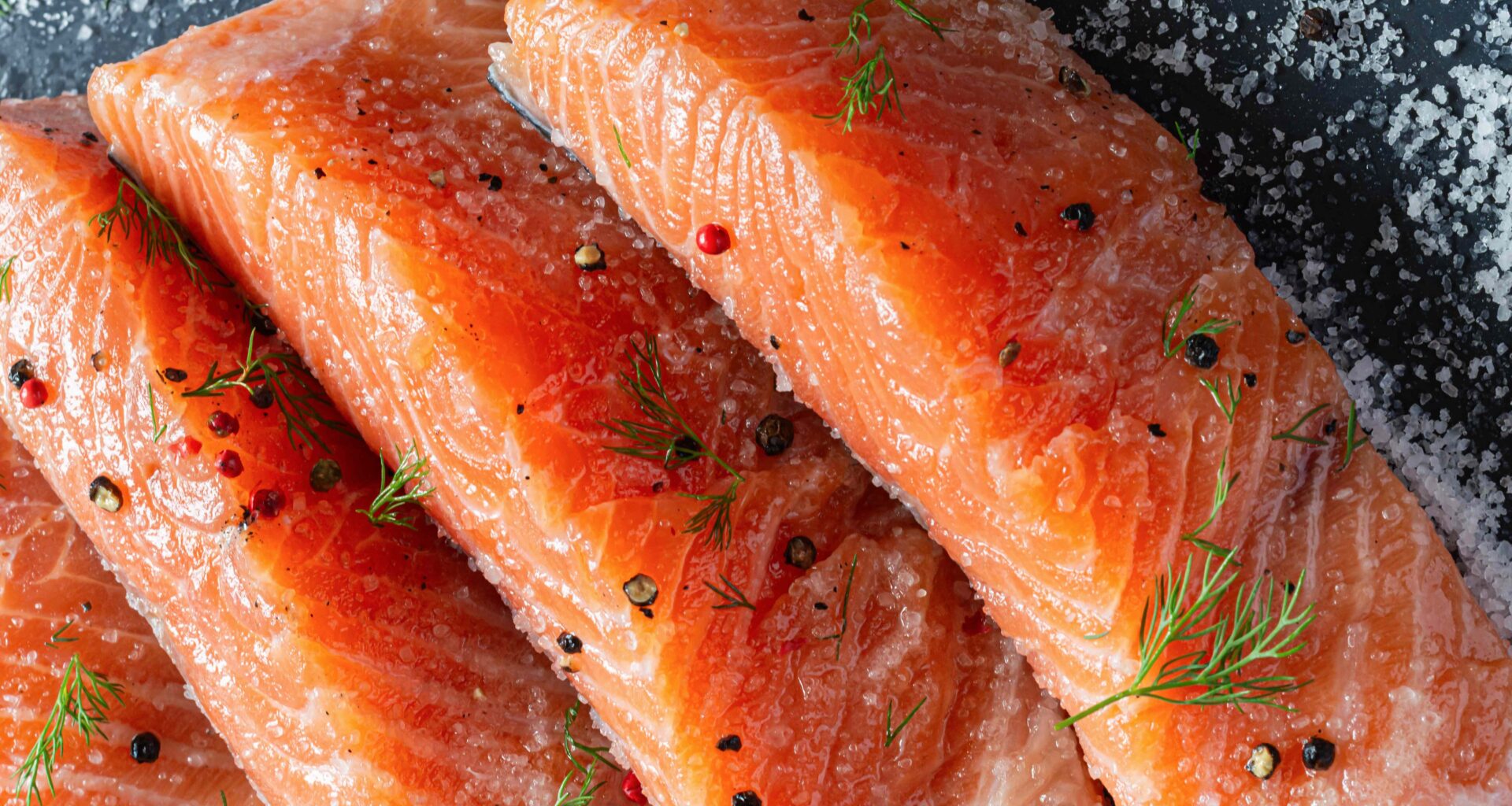
When choosing fish, look for those that are highest in nutrients but lowest in mercury.
Salmon and tuna are both high in protein. Sardines are low in mercury while still being high in protein and omega-3s.
Halibut is rich in vitamin D. It’s also high in fat, which can help your body absorb the vitamin D.
Fish are rich in protein, omega-3 fatty acids, vitamin D, and minerals like iodine and selenium. However, they can contain varying amounts of mercury, a heavy metal. If you’re looking for the healthiest fish, opt for those that are nutrient-rich but lower in mercury. Here are some options to consider.
1. Salmon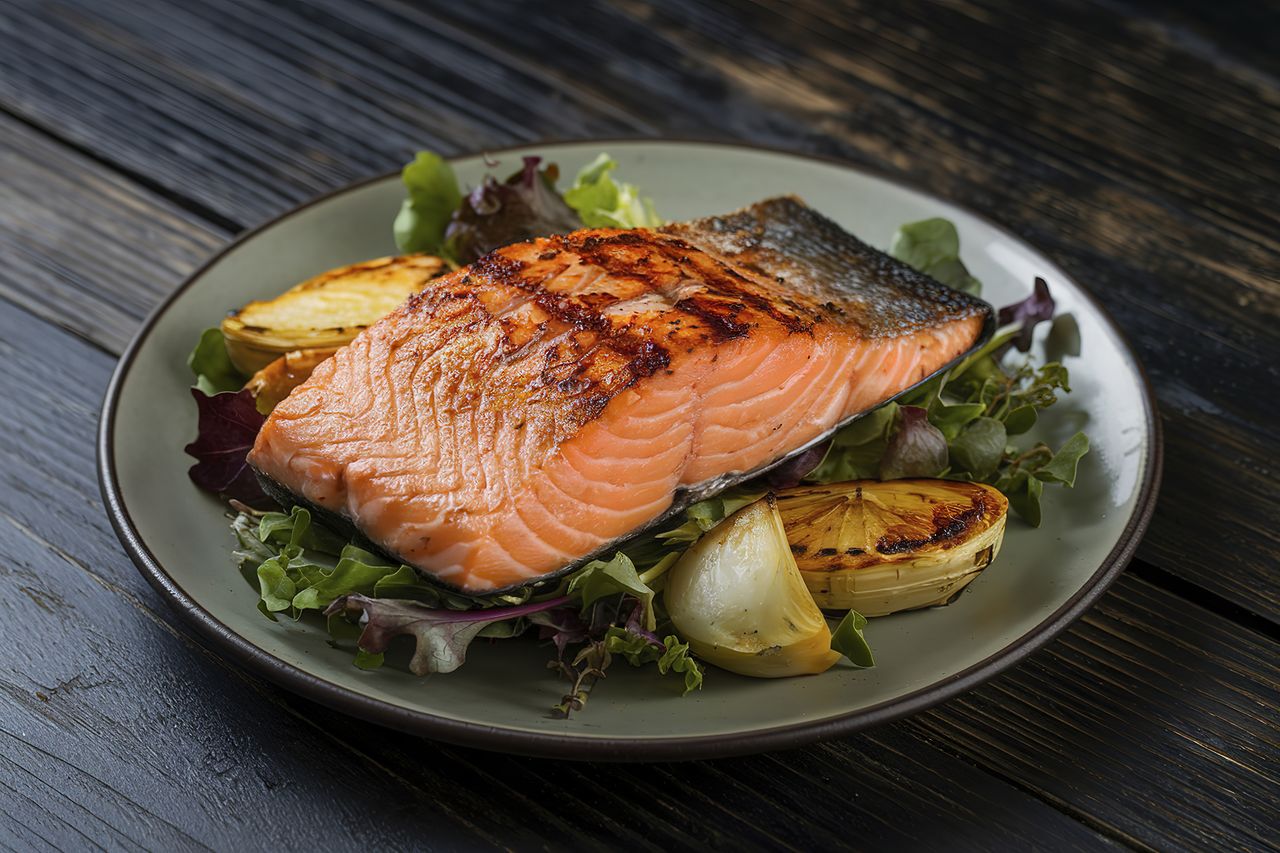
Credit: Delia Pirvu / Getty Images
Salmon is one of the best sources of omega-3 fatty acids (omega-3s). Your body needs omega-3s to support healthy cell function, hormone production, immunity, and brain, eye, and heart health.
Three ounces (85 grams) of cooked Atlantic wild salmon contains:
Omega-3 fatty acids: 1.8 g
Other fish high in omega-3s include mackerel, herring, sardines, trout, and anchovies.
Eating fish or taking omega-3 fatty acids is linked to a lower risk of heart disease. The American Heart Association recommends eating two to three servings of fish each week to support heart health.
2. Sardines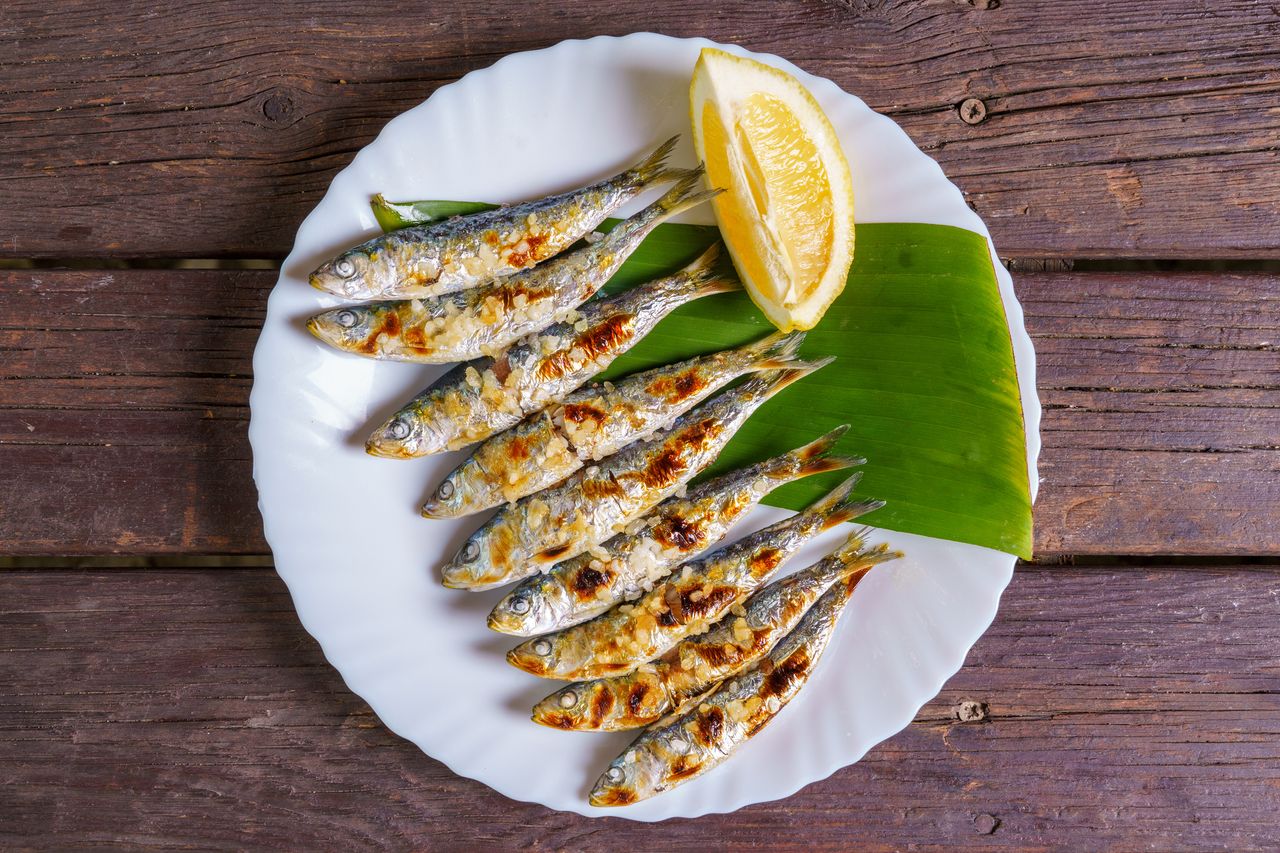
Credit: Javier Zayas Photography / Getty Images
Sardines are rich in protein and omega-3 fatty acids. They are also low in mercury.
Mercury is a heavy metal that can harm your health if eaten in large amounts. It is found in the environment, including oceans and freshwater, so fish contain it too.
Mercury levels in fish depend on where they live and what they eat, as well as their species, age, and size. Some fish have more mercury than others.
A can (92 grams) of Atlantic sardines contains:
Omega-3 fatty acids: 0.9 g
Experts recommend eating fish regularly despite its mercury content. This is because the benefits outweigh the risks. Try choosing fish with low to moderate mercury levels.
Other fish lower in mercury include tilapia, anchovies, salmon, pollock, cod, sole, haddock, hake, whitefish, and scallops.
Fish higher in mercury include shark, swordfish, king mackerel, marlin, tilefish, and bigeye tuna.
3. Tuna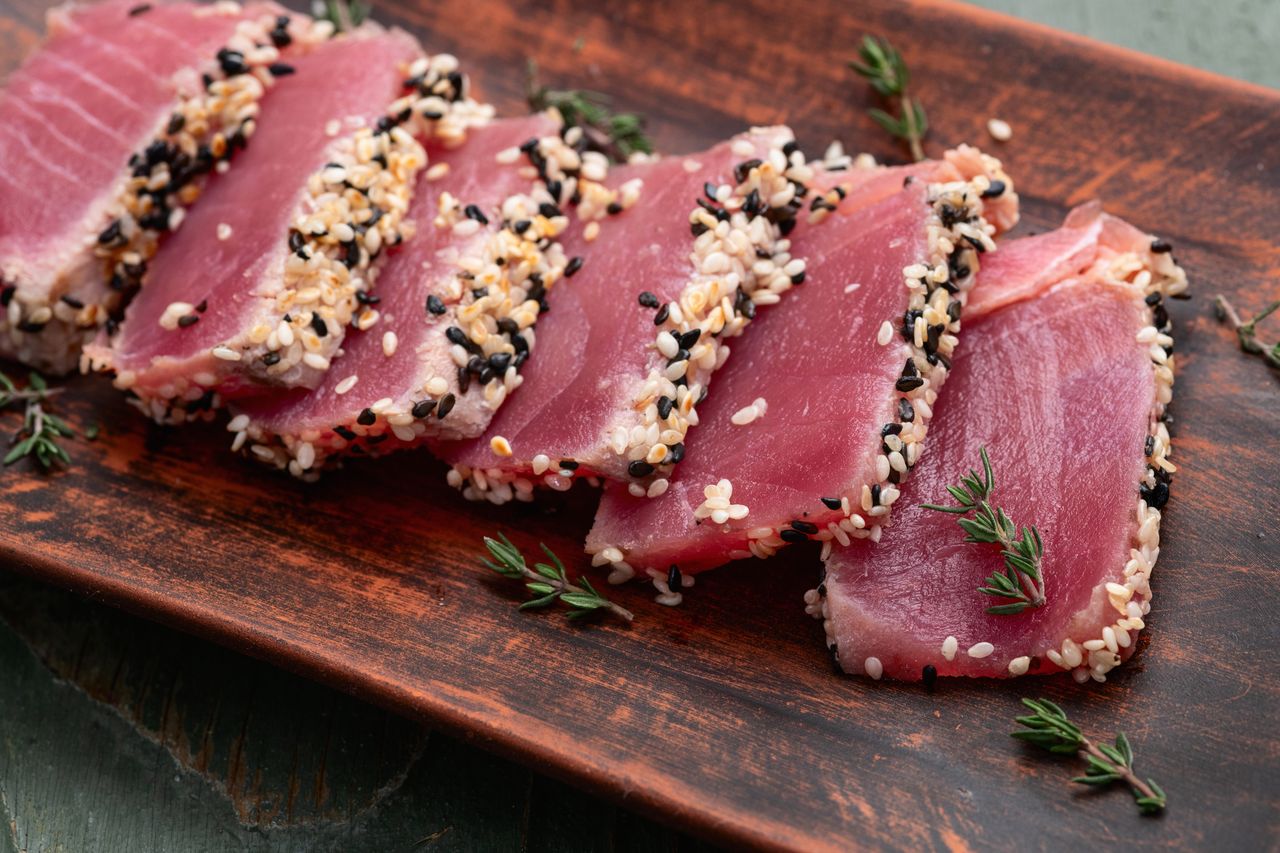
Credit: Whitestorm / Getty Images
Tuna contains varying amounts of protein, omega-3s, and mercury. Skipjack tuna has one of the highest protein levels among fish and contains less mercury than other types of tuna.
Three ounces (85 grams) of cooked skipjack tuna contains:
Omega-3 fatty acids: 0.2 g
Other fish that are high in protein include cod, halibut, snapper, salmon, and sardines.
4. Halibut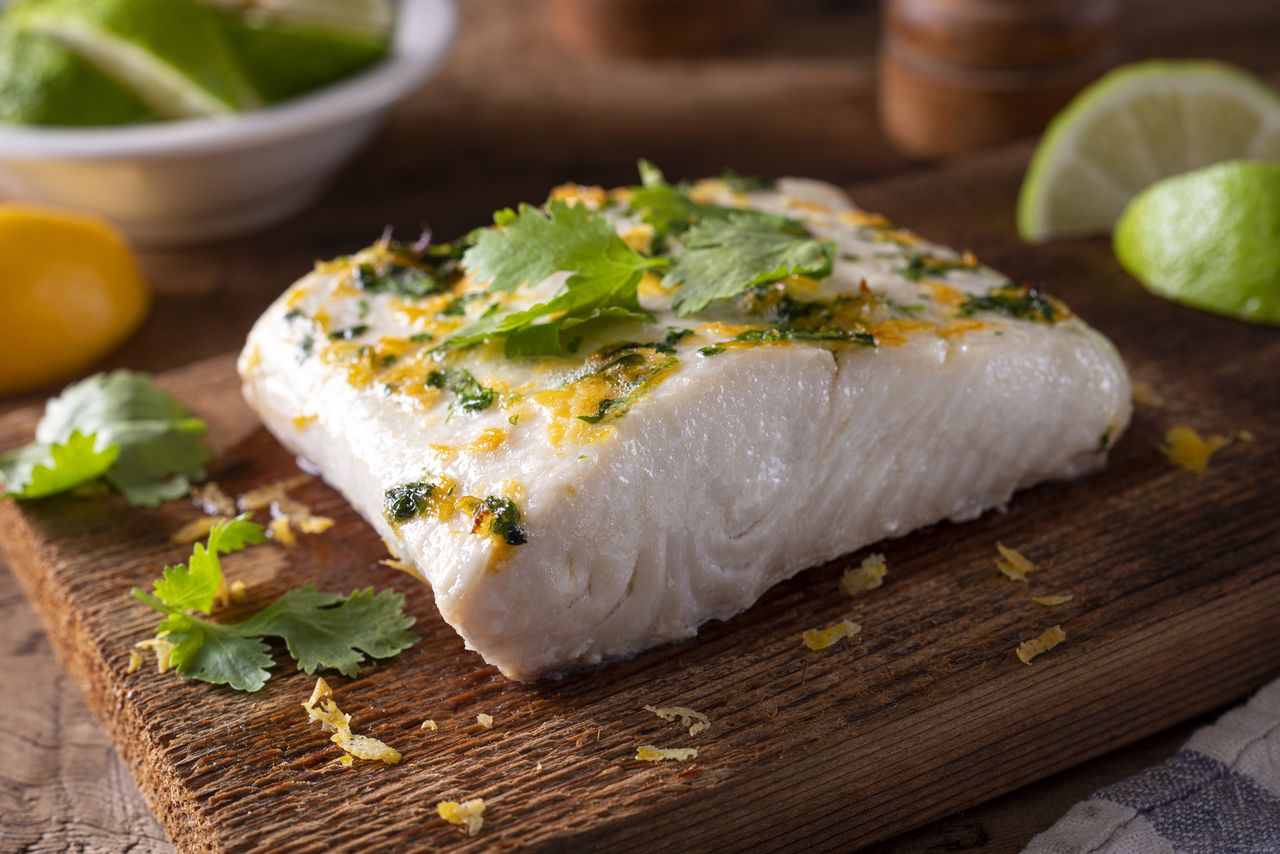
Credit: Fudio / Getty Images
Fish is one of the rare foods rich in vitamin D. Your body needs vitamin D for cell growth and repair, hormone production, bone health, and a strong immune system.
Greenland halibut is one of the richest sources of vitamin D. However, it is low in protein and relatively high in fat.
Three ounces (85 grams) of Greenland halibut contains:
Omega-3 fatty acids: 0.8 g
Vitamin D: 23 micrograms, 116% of the Daily Value
Other fish high in vitamin D include salmon, mackerel, whitefish, trout, and cod.
How To Choose a Type of Fish
Here are some tips to use when choosing fish:
Check for freshness: Fresh fish should have a mild smell; firm flesh; no discoloration or dryness; and clear, shiny eyes. For frozen fish, choose packages that are fully sealed and that don’t have tears or large ice crystals.
Opt for lower-mercury fish: Choose fish with low to medium mercury. This helps reduce your mercury exposure, especially if you eat fish often.
Consider your goals: All fish have omega-3s in varying amounts, and their protein, fat, vitamin, and mineral content also vary. If your goal is to get the most omega-3s, choose fattier fish like salmon. If your goal is to increase protein intake, choose leaner fish.
Opt for healthy cooking methods: Grill, bake, or steam fish instead of frying to reduce added saturated fats. Cook fish to 145 degrees Fahrenheit (63 degrees Celsius) to prevent foodborne illness.
Read the original article on Health