
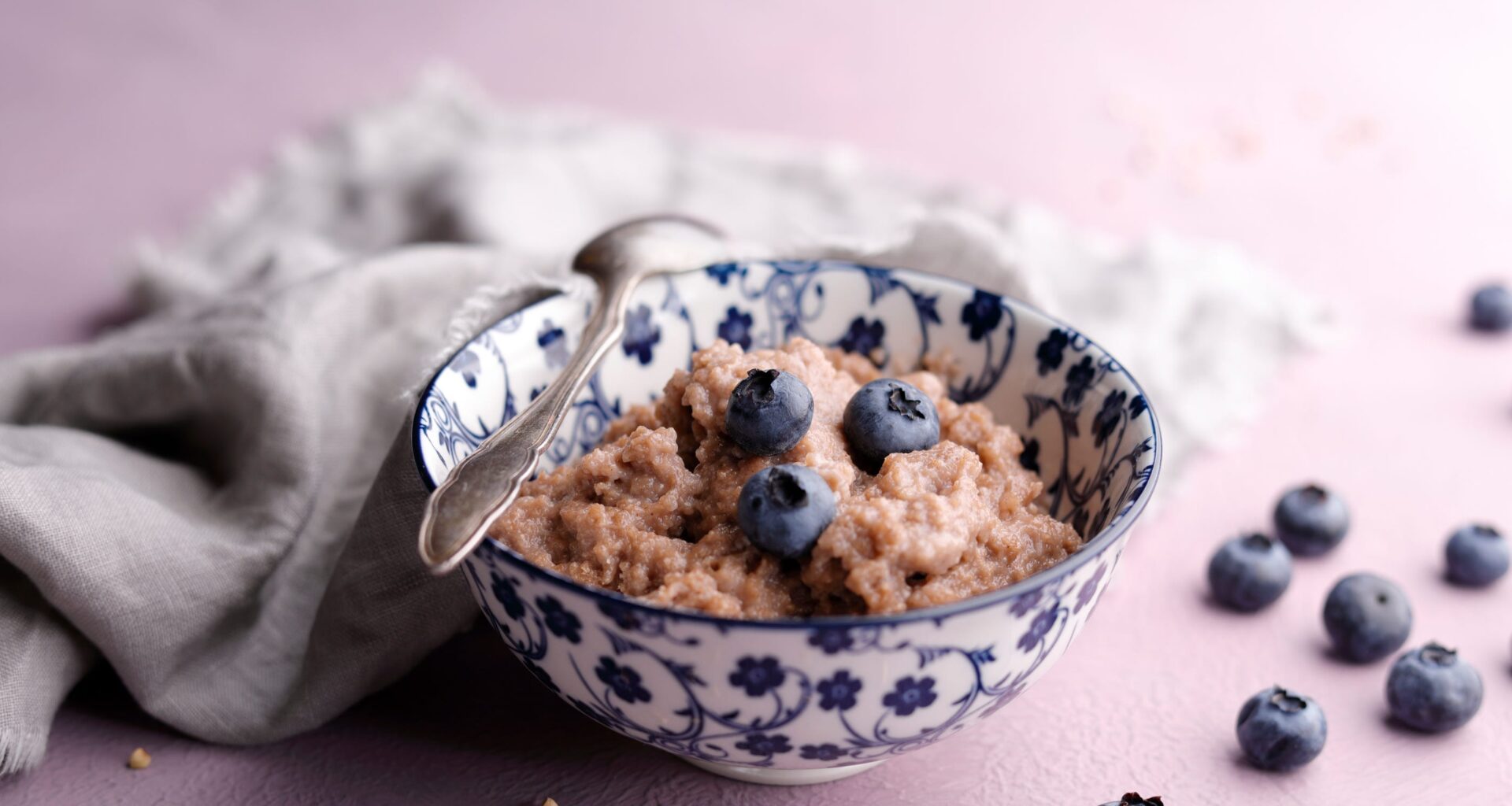
It’s rare to try a new healthy habit and enjoy it so much that you make it part of your routine going forward. But that’s what happened when I started eating a serving of blueberries every day for a week. It turns out blueberries might be the perfect health food because they’re delicious, versatile, and packed with research-backed benefits.
Blueberry health benefits
“Blueberries have long been associated with supporting health and protecting against disease,” says Anne VanBeber, PhD, RD, LD, CCMS, CFCS, FAND, a professor of nutritional sciences at Texas Christian University. “Specifically, blueberries have been shown to protect against cardiovascular diseases and diabetes, promote brain health and cognition, promote gut health, and aid in exercise recovery.”
Inside each serving of blueberries—about a cup—you’ll find important vitamins and minerals such as vitamin C, vitamin K, and manganese. Each cup also packs about 3.5 grams of fiber—about 14% of the 25 grams of daily fiber recommended for women ages 19 to 50. I’m in that age group, and like most Americans, I don’t always get enough fiber despite my efforts to eat well. Adding blueberries helped me reach (or at least get close to) the 25-gram fiber benchmark each day.
Blueberries also contain something a little special: anthocyanins, dark red and purple pigments with anti-inflammatory properties that protect blood vessels and reduce the risk of high blood pressure, heart attacks, and cognitive decline. Anthocyanins also work with gut bacteria to promote gut health and immune function.
They might even help you reach your fitness goals. “Because blueberry intake is associated with reduced inflammation,they may have a positive effect for athletes in recovery after exercise,” says VanBeber.
What happened when I ate blueberries every day
I often began with breakfast, using blueberries to boost my nutrient intake before the day got away from me. I’d pile a cup of freshly washed blueberries on top of cold cereal (Cheerios or Nature’s Path Organic Mesa Sunrise) or hot cereal (Bob’s Red Mill Organic Creamy Buckwheat Hot Cereal). Sometimes I ate fresh blueberries with plain or lightly sweetened yogurt at lunchtime.
On other days, I relied on frozen blueberries, a convenient alternative to fresh berries that work great in between grocery runs. “It’s nice to have a bag of wild blueberries in the freezer because then they are readily available to add to a lot of dishes,” says VanBeber.
Frozen berries also tend to be cheaper than fresh ones. At my favorite supermarket, an 11-ounce container of blueberries (about two servings) cost about $8, but about 10 servings of frozen wild blueberries cost around $10. On top of convenience and price, that particular frozen option comes with another benefit: Wild blueberries are smaller and contain more anthocyanins per serving than regular blueberries, says VanBeber.
Sometimes during the week I added frozen blueberries to a smoothie with other fruits and vegetables, seeds, and protein powder. Or I gently thawed them and ate them with protein-rich cottage cheese.
Fresh or frozen, I find the flavor of blueberries delightful—a sweetness that might have curbed my desire for sweet snacks later in the day. (Surprisingly, I found myself wanting less chocolate than usual.)
Plus, there’s a nice versatility that comes with blueberries. Some healthy foods require a lot of prep work or taste just OK, but washing or thawing berries was quick and simple, and eating them was a joy. What’s more, the blueberries paired well with foods I eat on the reg so adding them to my diet never really felt like a chore, although I did make one extra grocery run during the week to stock up on more berries. Since I’m not the only blueberry fan in my household, I had to monitor our supply and make sure I didn’t deplete our fresh and frozen stashes of blueberries before replacing them.
Overall, this experiment was a success. I felt sharp and strong during the week with no noticeable negative effects. Eating a cup of berries in one sitting didn’t seem to affect my digestion in any perceptible way. I intend to continue eating blueberries every day, or at least several times per week.
How to eat more blueberries
Want to start your own daily blueberry habit? Use these tips to incorporate blueberries into your diet, courtesy of VanBeber:
Add blueberries to oatmeal bowls, yogurt, chia puddings, salsas, or cake and bread batters.
Blend blueberries into hummus, smoothies, vinaigrette salad dressings, or sauce toppings for meat, fish, or poultry.
Sprinkle blueberries onto salads.
The bottom line
Adding blueberries to my daily routine was simple, healthy, and delicious. You can incorporate blueberries into many of the foods you already eat to give your meals a boost of heart-healthy, brain-protecting nutrients. To stick with the habit without breaking your budget, try keeping frozen blueberries in the freezer.
You Might Also Like