

Listen to this article
Estimated 3 minutes
The audio version of this article is generated by AI-based technology. Mispronunciations can occur. We are working with our partners to continually review and improve the results.
The U.S. came close to encroaching on Canadian sovereignty during tariff negotiations, Quebec Premier Christine Fréchette said Saturday.
“On the American side, there was a willingness to negotiate on issues that affected Canada’s sovereignty. I’m thinking about how we set our tariff policies” she told an afternoon news conference.
Prime Minister Mark Carney made the right call to stop talks, she said.
The Americans had proposed negotiating matters around Quebec’s French language legislation, Fréchette said, such as the requirement for French to be included on consumer devices like electronics or household appliances and user manuals.
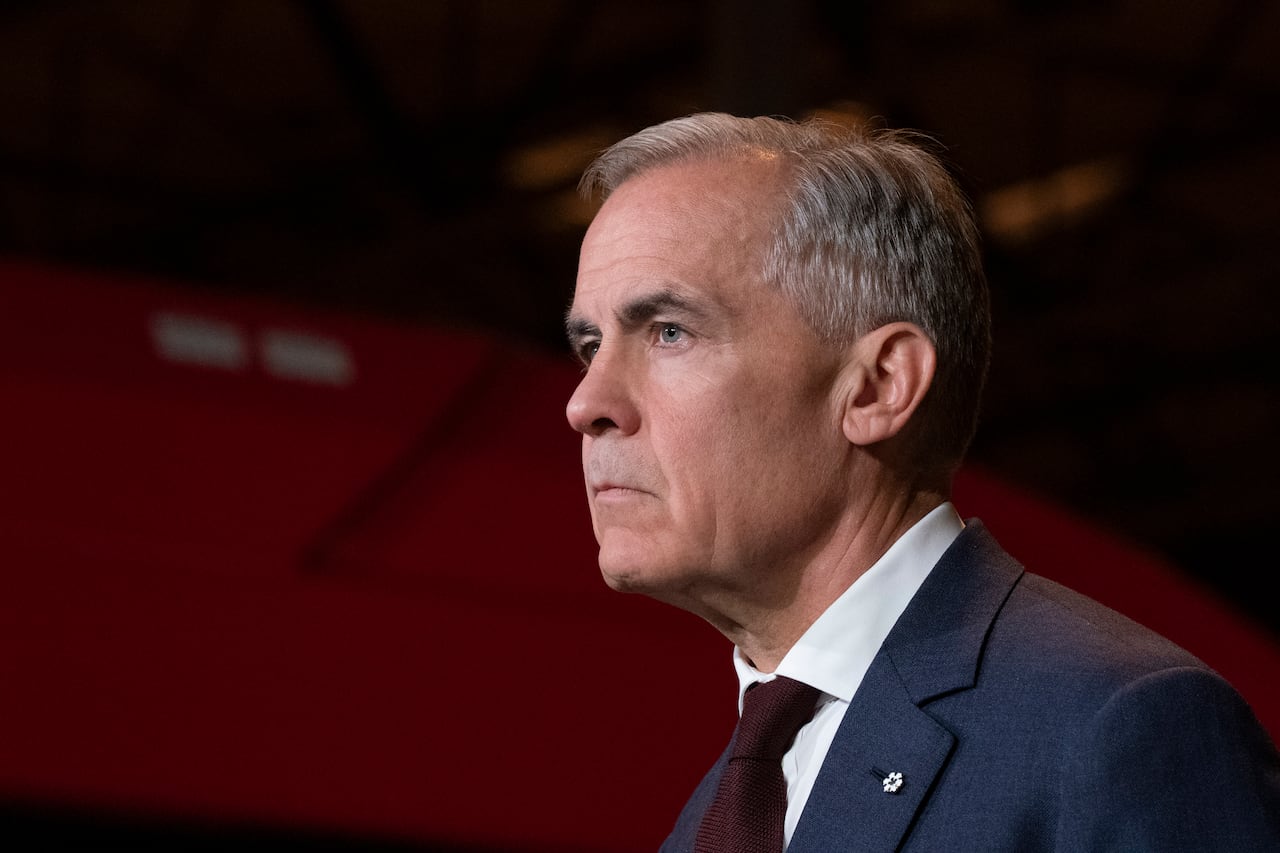 Fréchette believes Prime Minister Mark Carney made the right call in walking away from talks. (Ivanoh Demers/CBC)
She was surprised to hear the request came in the last day of the negotiation, she said.
“Our culture, our language is central to our identity and it is important to exclude that from the negotiation table,” said Fréchette.
“It’s something that is crucial for us and it won’t change, even though we are threatened with different tariffs, it won’t change. We will stay the way we are.”
Quebec now faces a difficult period, she said.
“If a particular industry is hit hard, several municipalities will be affected,” she said.
Quebec Minister of Finance Eric Girard said it is too early to know how many jobs could be lost, but he expects it to be a significant number, albeit not as extreme as what was seen during the pandemic.
Province to support exporters
Bernard Drainville, Quebec’s economy minister, announced the launch of two programs meant to keep afloat the province’s businesses in the manufacturing and primary sectors during the escalating trade war.
The first will support businesses with yearly revenue of $2 million or more in the manufacturing or primary sectors whose revenue has been significantly reduced by U.S. tariffs of 25 per cent or more.
They will be eligible for loans with a moratorium of up to 24 months and can submit their application for assistance as soon as Monday.
The other will support those that make $1 million to $2 million a year and are facing financial difficulties due to the tariffs, by offering loans with of up to $150,000 with a 13-month moratorium. Applications for that measure will start being accepted next week.
These programs will be in addition to the aid the Quebec government expects Canada to announce in the following days.
“It is the federal government that led these negotiations, and it is the one that must step up to support businesses and employees workers,” Fréchette said.