

Listen to this article
Estimated 3 minutes
The audio version of this article is generated by AI-based technology. Mispronunciations can occur. We are working with our partners to continually review and improve the results.
Radio host Lexi Patts of East Hants, N.S., took up graphic design as a hobby for her personal branding and for the social media accounts she manages as a volunteer for an animal rescue organization.
Then one day she decided to offer her design services for free to anyone who needed them because she can’t stand seeing AI-generated posters.
“Nothing turns me off from an event … more than seeing an AI poster,” Patts said.
Patts is one of the latest voices against AI-generated graphics, and she’s putting her concerns into action. Heritage advocates in the province recently raised concerns about organizations using AI-generated posters to promote historical and tourist sites. Last year, a Halifax photographer sparked debate and criticism for selling her AI-enhanced photos.
So far, Patts has created five to 10 posters for local community groups and residents who asked for help. While she initially worried that people might take advantage of her free labour, she felt keeping even one person from using AI-generated design was worth the effort.
She only hopes her actions won’t affect the professionals who rely on design for their livelihood.
 Lexi Patts said it is worth her labour to keep one person from using AI in creative works. (Submitted by Lexi Patts)
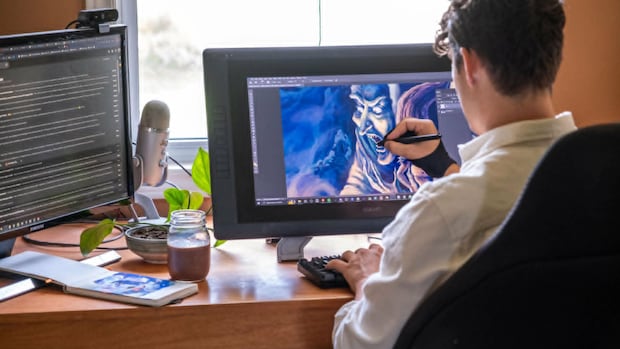
Yet professionals like Garth Laidlaw have also been helping guide people back to non-AI graphics. As a visual artist, he provides online training to animators worldwide and offers free instruction to those in need.
He’s also planning a workshop to teach budget-conscious organizations how to use free graphic design tools.
Laidlaw said a community AI poster might seem like a minor issue, but it could also be the first step toward people accepting it as the norm. He believes AI posters weaken the human touch in graphic design and that the public is growing weary of automated visuals.
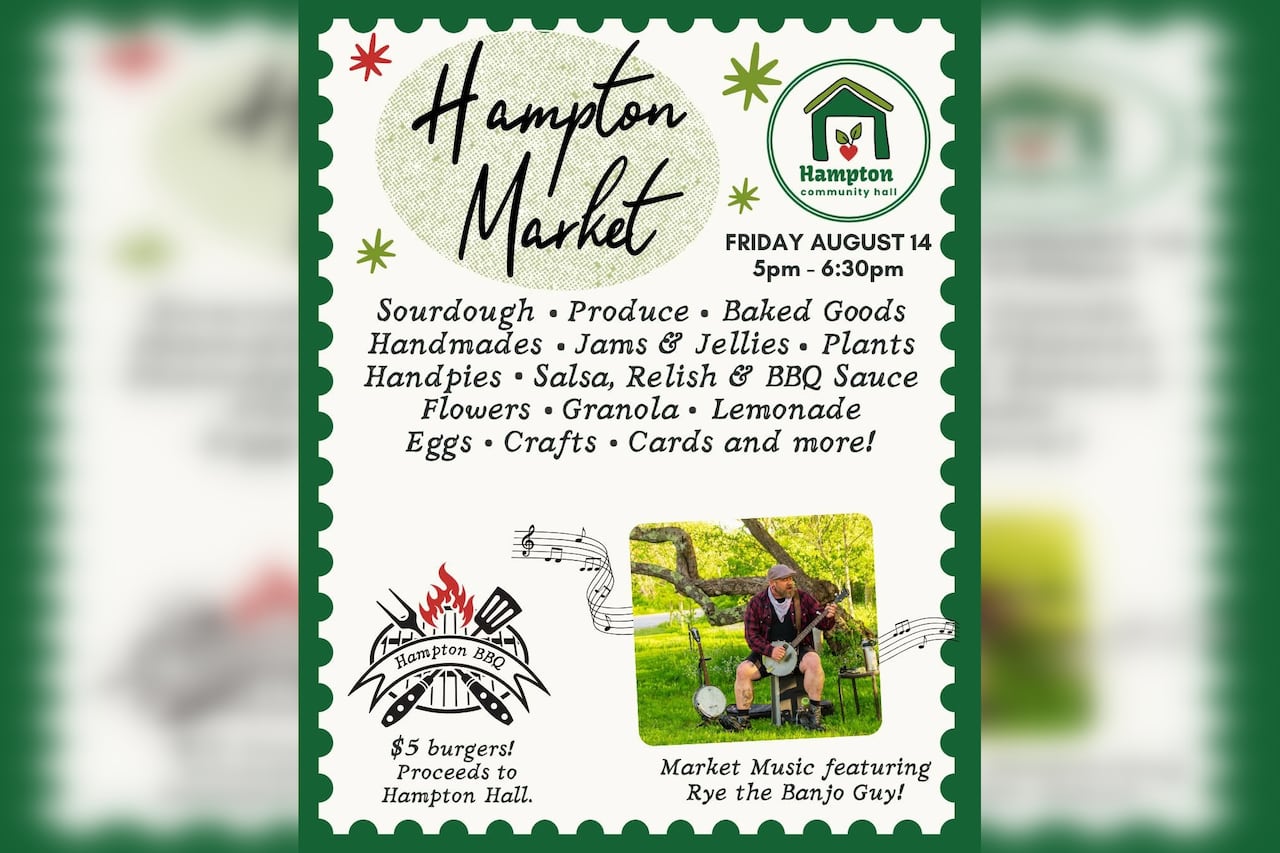 Laura Bright has been designing posters for her community hall events. She said people seem to prefer human-made graphics. (Hampton Community Hall)
“I think people hate it. People hate the homogeneity of it,” he said. “They hate when it feels like essentially there’s no care or effort put forth from that organization to properly represent what they do.”
The human touch
Laura Bright was guided by Laidlaw when she began creating visuals for her non-profit. She also creates posters for community events and social media channels for various organizations where she volunteers.
Even without a budget or specialized skills, organizations can find free tools with “a little bit of research,” Bright said, and can seek help from local volunteers and artists.
She has received positive feedback for her efforts, noting that community members would sometimes walk away with physical copies of her posters as keepsakes.
“When I’m creating a poster … and I’m using photos of people [and] real things, that has more of an impact than the cartoony characters and what’s coming out of zeros and ones,” Bright said.
“You can’t replace human creativity with zeros and ones.”
MORE TOP STORIES