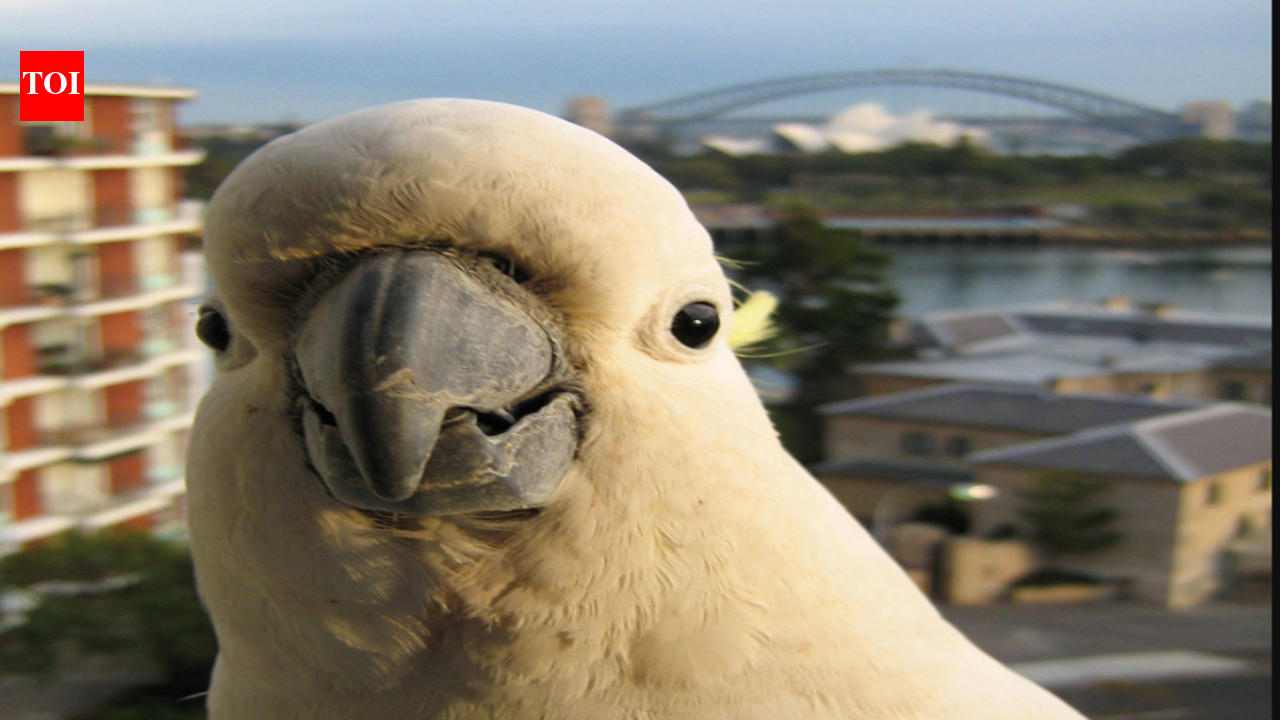
 Cockatoo in Sydney. Image credits: Wikimedia Commons News from Sydney about cockatoos that learned to open garbage bins drew global attention because it offered a rare look at cultural spread in wild animals. What began with one cockatoo in a few Sydney suburbs had spread to about 40 suburbs within a few years. Scientific interest began when Richard Major, an ecologist at the Australian Museum, observed a sulphur-crested cockatoo lifting the lid of a garbage bin near his home, as described in the Australian Museum’s media release on the cockatoo bin‑opening research. He later worked with scientists at the Max Planck Institute of Animal Behavior in Germany to see how widespread the behavior had become and how it spread among birds.2018–2019: bin-opening spreads to 44 suburbsInnovation and Geographic Spread of a Complex Foraging Culture in an Urban Parrot, published in the journal Science, laid out how the team answered that question. The paper reports a spatial network analysis of 160 direct observations plus community-science reports, showing bin-opening spread from just three suburbs to 44 across Sydney. It also found individual styles and site-specific differences, suggesting a genuine foraging culture rather than a single copied trick.Before 2018, cockatoo bin opening had been reported in only three suburbs; by the end of 2019, that number had risen to 44 suburbs. This rapid geographical spread was interpreted by the researchers as consistent with socially learned behavior in the birds, rather than arising randomly. The above-mentioned paper found that the behavior spread more quickly to neighboring suburbs than to distant ones, which suggests social learning rather than independent discovery. To test this finding, the team marked about 500 cockatoos in three hotspots where bin opening had previously been reported. They identified which birds could open the bins and found that only 10 percent were doing so, while the others were merely observing.Cockatoos use different techniques by suburbThe discovery was especially interesting because cockatoos used a variety of techniques. According to the study, cockatoos in different suburbs did not all use the same method to open garbage bins. While some birds used only their beaks to lift the bin lids, others used both beaks and feet and followed a sequence of steps, sometimes as many as five, requiring coordination. Because the methods varied by suburb, researchers believed the cockatoos had local traditions.Sydney residents adopt bin-defence measuresThe story did not end with the original discovery. A follow-up study from the same research group, published in the journal Current Biology under the title Is Bin Opening in Cockatoos Leading to an Innovation Arms Race with Humans?, examined how Sydney residents were responding to the birds’ new foraging skill. The researchers argue that residents were not passive observers: households developed increasingly effective bin-defence measures in response, creating a feedback loop with the cockatoos’ socially learnt raiding. In their abstract, they frame this as a potential inter-species “innovation arms-race” in which each side’s adaptation pressures the other. The experiment also involved surveying 1,134 individuals in over 400 suburbs, and the researchers found that 172 individuals from 51 suburbs took steps to protect their bins using methods such as bricks, weights, and locks.
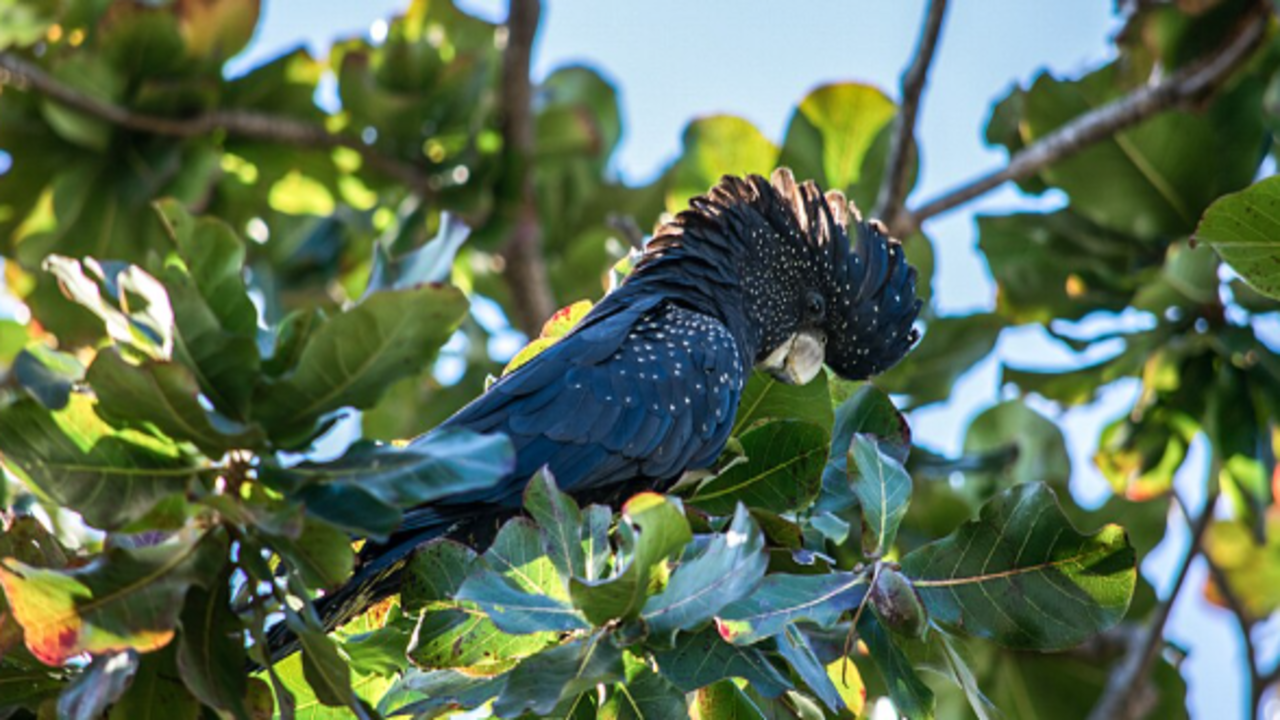 The above-mentioned study also found that 64 percent of people who protected their bins used social information when deciding how to do so. Residents said they learned from neighbors and others on their street. The researchers also found that bin-protection methods were geographically localized, with residents copying techniques that worked for others nearby. About 61 percent of residents who protected their bins increased the level of protection in response to the birds’ behavior.Ongoing surveys track both sides’ adaptationsTogether, the two studies portray a continuing arms race between a wild animal and the people living around it, in which both sides adapt to the changes brought about by the other. The Australian Museum, whose researchers co-led both projects, has continued to run public surveys asking Sydney and Wollongong residents to report new sightings, since the spread of both the bin‑opening trick and the countermeasures against it appears to be ongoing rather than settled. The museum notes that the Sydney team first documented the behaviour through an online survey launched in 2018; among the marked cockatoos, only around 10% could open bins, most of them males.The cockatoo example is now often cited alongside other cases of cultural transmission in wild animals, such as blue tits in the UK that learned to pierce foil milk-bottle caps nearly a century ago. What sets the Sydney cockatoo case apart is the speed and scale of the observations, made possible by a large network of citizen scientists reporting sightings from home in real time. The results have both scientific and practical implications. The sulphur-crested cockatoos’ adaptation to urban settings along Australia’s east coast shows how quickly wild animals can adjust to human-made challenges and how quickly people respond in turn.