

Listen to this article
Estimated 3 minutes
The audio version of this article is generated by AI-based technology. Mispronunciations can occur. We are working with our partners to continually review and improve the results.
The latest tariffs by the United States on Canadian goods is creating an uncertain future for one growing Ottawa business, forcing it to look elsewhere for customers.
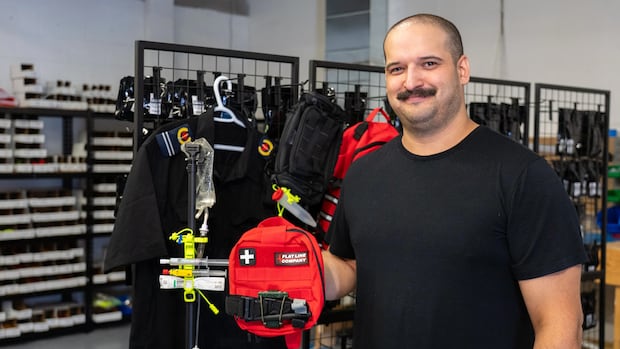
Paramedic Noah Marion founded Flat Line Company, which uses 3D printers to make tools for medical professionals around the globe.
After the trade deal between Canada and the U.S. collapsed this past weekend, Marion said he’ll likely lose out on a significant portion of his client base south of the border.
“A large part of our customer base are Americans,” Marion said. “We’re going to likely lose those clients, just because the pricing becomes really hard for them to justify.”
Fifty per cent tariffs on $28 billion worth of Canadian goods came into effect on Saturday, including on electronics, plastics, wood, paper and dairy.
Canada’s retaliatory tariffs on the U.S. are set to begin Sept. 8.
Flat Line Company produces syringe and medical bag organizers and stethoscope holders, as well as other tools that Marion said “make the job of a paramedic or medical professionals in general easier.”
After launching a year and a half ago, the company recently moved from Marion’s garage to its current warehouse.
WATCH | Ottawa business looking to pivot from U.S. clients amid latest tariffs: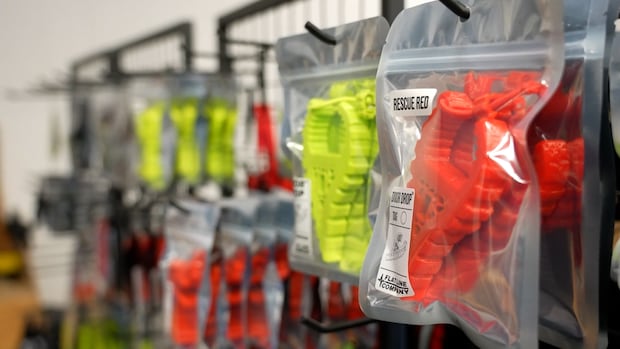
Ottawa business says latest tariffs may mean a drop in customers
Hundreds of Canadian goods are subject to the latest U.S. tariffs, including products made by Ottawa company Flat Line for health-care professionals. The company’s founder says they may lose their American clients as tariffs push prices higher. The CBC’s David Fraser reports.
Marion said now the company is looking to pivot to domestic clients, as well as those in the United Kingdom and Australia. But he said it’s a race against the clock.
“We’re actively trying to figure out day by day what the next steps look like,” he said. “The hardest thing is going to be making that pivot to be able to replace that revenue loss, to justify us being able to keep our doors open.”
At a news conference in Laval, Que., on Monday, Prime Minister Mark Carney addressed the failed trade negotiations and said the goal has “always been to get the best deal for Canadians, never a deal at any price or on any time frame.”
Carney added there will be “challenges in the road ahead,” but “we have all we need right here.”
In a post on Truth Social on Monday, U.S. President Donald Trump made further threats of new 50 per cent tariffs on Canadian autos and steel, beginning Jan. 1.
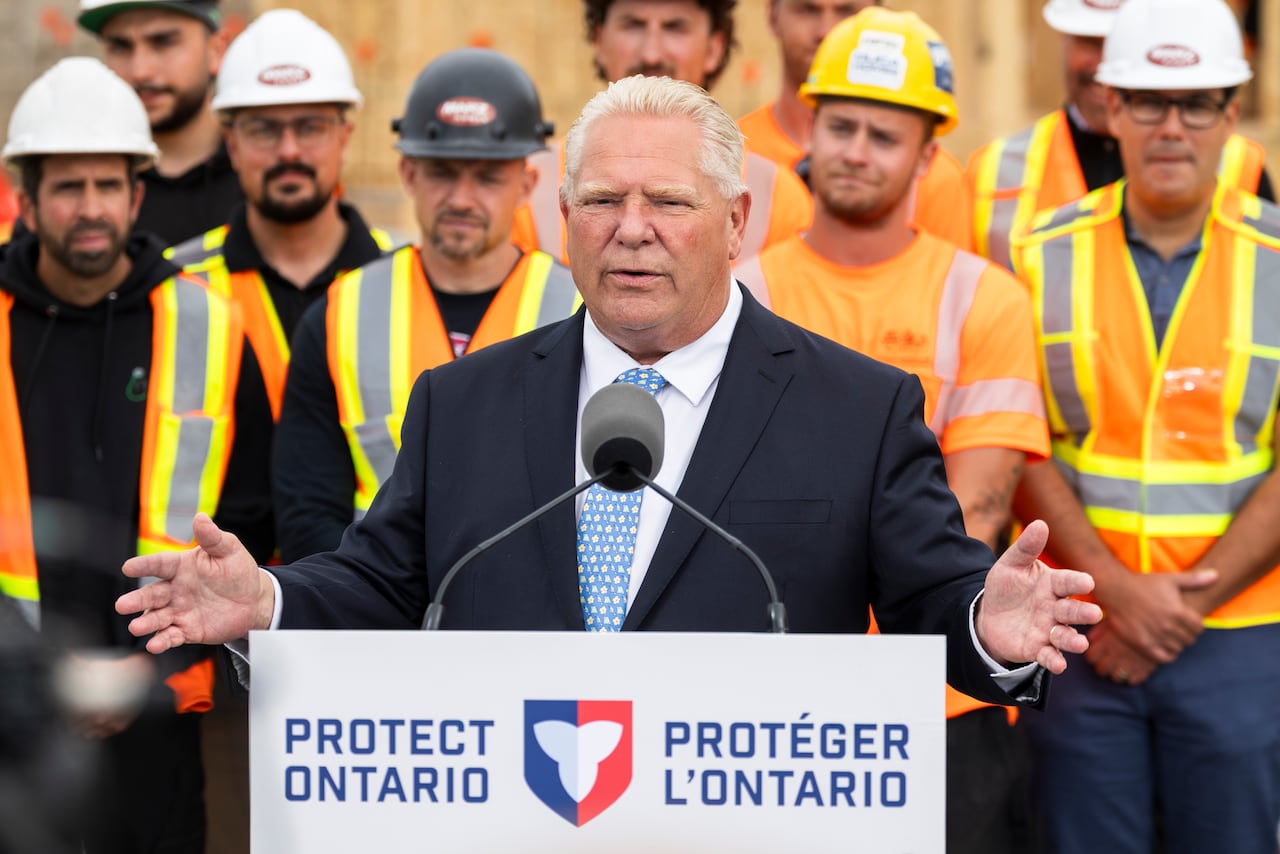 Ontario Premier Doug Ford speaks during a news conference in Hamilton on Monday. (Nick Iwanyshyn/The Canadian Press)
During a news conference in Hamilton on Monday, Ontario Premier Doug Ford announced that the province is expanding a program offering support to businesses impacted by American tariffs, including manufacturers of electrical and mechanical equipment, plastic and paper products, furniture and alcohol.
He also reiterated his support for a “Team Canada” approach to trade negotiations, requiring everyone to “be singing off the same song sheet.”
“There can’t be any detractors,” Ford said.
On Saturday, Ottawa Mayor Mark Sutcliffe posted on X that he plans to bring forward a motion to city council on Wednesday “to ensure we are doing everything possible to protect local businesses, strengthen our local economy, buy local, and create strong local jobs.”