
Breakfast is often hailed as the most important meal of the day. But what if you can’t stomach the thought of eating first thing in the morning?
Perhaps you have a strong dislike of stereotypical breakfast foods, such as eggs, or maybe you just prefer to run on coffee and fumes.
Whatever your reason for forgoing breakfast, you’re not alone. Some research suggests up to 16% of Americans regularly skip eating breakfast in the morning.
While there is no hard and fast medical rule that you have to eat breakfast, there are some benefits to eating in the morning.
Is It Unhealthy To Skip Breakfast?
Skipping breakfast is not inherently bad for you, especially if you only do it once in a while. However, consistently running on empty in the morning can have negative effects.
“Going around with absolutely nothing in your stomach can lead to nausea, lightheadedness and brain fog,” says registered dietitian and author Frances Largeman-Roth.
Skipping breakfast may also lead to increased hunger and shift calorie intake later in the day. And there’s evidence to suggest that when you eat your meals matters for your overall health.
Chrononutrition is the science of timing meals to align with the body’s 24-hour internal clock, which impacts energy levels, blood sugar, metabolism and more.
Research shows that regularly eating your meals earlier in the day, aka front-loading calories, has a number of benefits — whereas consuming the majority of your calories closer to nighttime is associated with increased risk of weight gain, blood sugar spikes and poor sleep, TODAY.com previously reported.
Benefits of Eating in the Morning
Breakfast literally means “to break the fast,” and refers to the first meal of the day. The role of breakfast is to refuel the body and brain with nutrients after sleeping.
“Eating something can give your body energy after going all night without food, and help prevent you from getting overly hungry later in the day,” Natalie Rizzo, registered dietitian and TODAY.com nutrition editor, explains.
Eating a meal first thing can help stimulate digestion, Largeman-Roth adds. Plus, breakfast is an opportunity to get important nutrients into your diet.
“Even a small amount of food can contribute protein, fiber, healthy fats, vitamins and minerals that you might otherwise miss,” says Rizzo.
But if you’re not a breakfast person, forcing yourself to stomach a full meal in the morning may put you off even more.
Here’s what to eat instead:
Foods to Eat if You Hate Breakfast
“Something is better than nothing when it comes to breakfast,” says Largeman-Roth.
The experts recommend starting small and staying consistent to get in the habit of eating every morning.
“I’d prioritize protein and fiber because both help make a small meal or snack more satisfying,” Rizzo adds. Healthy fats can also provide energy and keep you feeling full, even in small doses.
Aim for foods that provide at least one of these nutrients, but don’t overthink it. You can always get your protein and fiber in during lunch, dinner or snacks, says Largeman-Roth.
And if traditional breakfast foods don’t appeal to you, start with foods you do enjoy instead.
“If you don’t have much of an appetite in the morning, start with what you can realistically eat and build from there,” says Rizzo.
Cheese Stick
Cheese sticks are a quick and easy way to get protein and calcium in the morning. “This is my personal go-to when I’m speeding out the door,” says Largeman-Roth.
One stick of part-skim mozzarella cheese provides about 7 grams of protein for just 80 calories. Plus, it packs 200 milligrams of calcium (20% of the daily value) which supports healthy bones, Largeman-Roth adds.
Cup of Soup
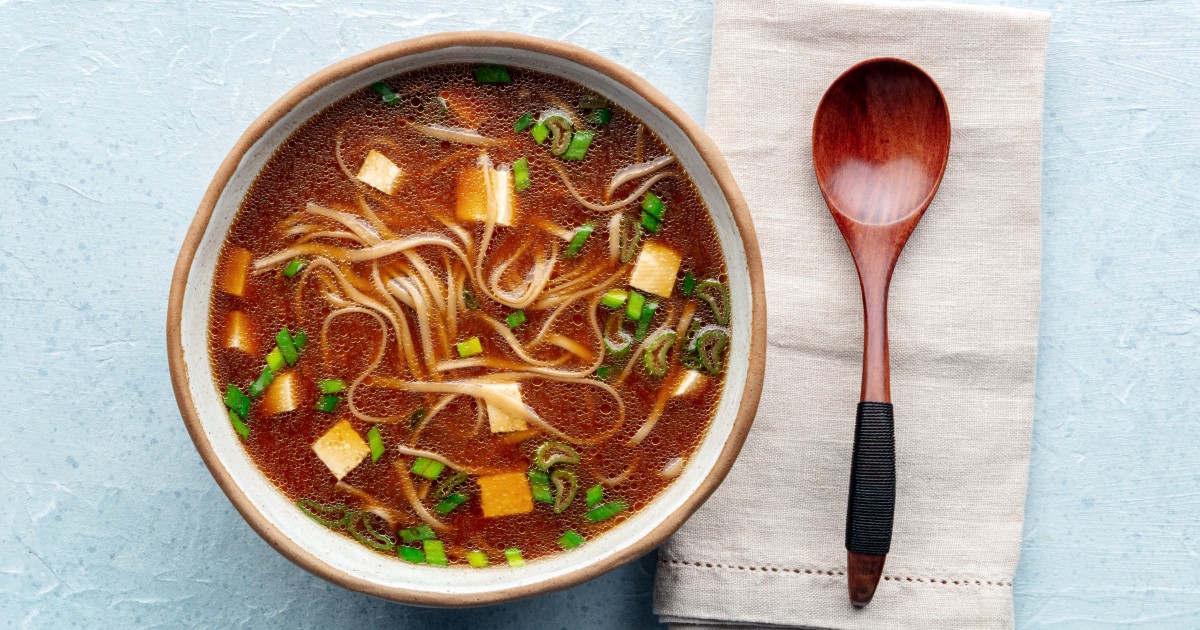
If savory foods sound more appealing, try a cup of soup in the morning, Rizzo says. Soup is hydrating and easy to digest, which may make it more appealing to breakfast naysayers.
“It can provide protein, fiber and fluids without feeling like a big meal,” says Rizzo.
Try a small cup of miso, vegetable, lentil or chicken soup in the morning — or pack it in a thermos to enjoy at work.
Glass of Kefir
Kefir, a type of tangy fermented yogurt drink, is another favorite among dietitians. “Some people prefer to have a beverage in the morning as opposed to solid food, so this works well for them,” says Largeman-Roth.
A glass of kefir provides a hefty dose of protein — about 9 to 11 grams per one cup — along with calcium and live probiotics to support gut health.
If you’re not a fan of the flavor of kefir, any yogurt drink works too, Largeman-Roth adds.
Nuts
Nuts are rich in protein, healthy fats and antioxidants. Plus they’re shelf-stable and easy to eat on the go.
“Eat a small handful of nuts in the morning for a boost of sustaining energy,” Rizzo says.
Almonds, walnuts, pecans, pistachios and Brazil nuts are among the healthiest options.
A Few Bites of Leftovers
“There’s no rule that says your first meal of the day has to be breakfast food,” Rizzo says.
If you have the remains of a delicious dinner or lunch in the fridge, have a few bites of your leftovers for breakfast.
“A small portion of last night’s grain bowl, pasta, stir-fry or other dinner can be an easy way to get some nutrition without forcing yourself to eat breakfast foods,” says Rizzo.
Banana
“It’s the ‘OG’ quick breakfast,” says Largeman-Roth. Bananas are full of carbohydrates for quick energy, plus prebiotic fiber to slow digestion and help keep you feeling full.
Bananas are also an excellent source of potassium, an essential mineral that supports healthy muscles and heart function.
Turkey Roll-Ups
If you’re short on time, pre-sliced deli meat is a convenient and tasty option in the morning.
Simply roll up some turkey, and you’re good to go — or add your favorite condiments and vegetables for extra flavor and nutrients.
“A few slices of turkey rolled around cucumber, bell pepper or a little cheese make an easy protein-rich bite,” Rizzo says.
Brown Rice
Whole grains are an excellent way to start the day, but Rizzo encourages people to think beyond a bowl of oatmeal.
A small portion of brown rice, for example, provides you with slow-digesting carbohydrates to kick-start your day. Brown rice is also rich in fiber, which can regulate blood sugar levels and curb hunger until lunchtime.
Top the brown rice with soy sauce, sesame oil or furikake — or make it sweet with milk and maple syrup.
Nut Butter
It isn’t glamorous, but eating a spoonful of nut butter is an easy way to get nutrients in first thing without having to eat a meal.
Peanut and almond butter both offer high-quality protein and healthy fats, which provide energy and aid with satiety to curb cravings. A spoonful may sound small, but the recommended serving size of nut butter is just two tablespoons.
If you want extra fiber, pair the nut butter with some apple slices, says Largeman-Roth.
Handful of Berries
Loaded with fiber, vitamins and protective antioxidants, berries are an excellent way to start the day, according to Largeman-Roth.
Blueberries, raspberries and strawberries are all nutritious options. Simply grab a handful straight from the fridge and enjoy.
“Adding colorful, seasonal fruit at breakfast is also smart because most of us are missing out on getting enough fruit and veggies each day,” says Largeman-Roth.
Hummus
Hummus, which is made of fiber-rich chickpeas, is another simple and delicious breakfast snack.
Top a whole grain cracker, piece of pita bread, carrot or cucumber with a generous glob of hummus, and you have a perfect bite.
“This combination provides fiber, healthy fats and some plant-based protein and doesn’t require any cooking,” says Rizzo.
Dried Fruit
Dried fruit is an easy and portable snack Rizzo loves to eat for a boost in the morning.
“Dried fruit provides carbohydrates for quick energy,” says Rizzo. Most dried fruits also provide a good amount of fiber to slow digestion, along with vitamins, minerals and antioxidants.
Some of the healthiest dried fruits include dates, prunes, apricots, cherries and cranberries.
Beans
Beans are a longevity-boosting superfood. “Even a few spoonfuls provide carbohydrates for energy along with plant-based protein and fiber,” says Rizzo.
Most beans provide both soluble and insoluble fiber. Together, these support healthy digestion, stabilize blood sugar and help lower cholesterol.
Black beans, white beans and soybeans are all healthy and delicious options. Just pop a small portion in the microwave and enjoy.