
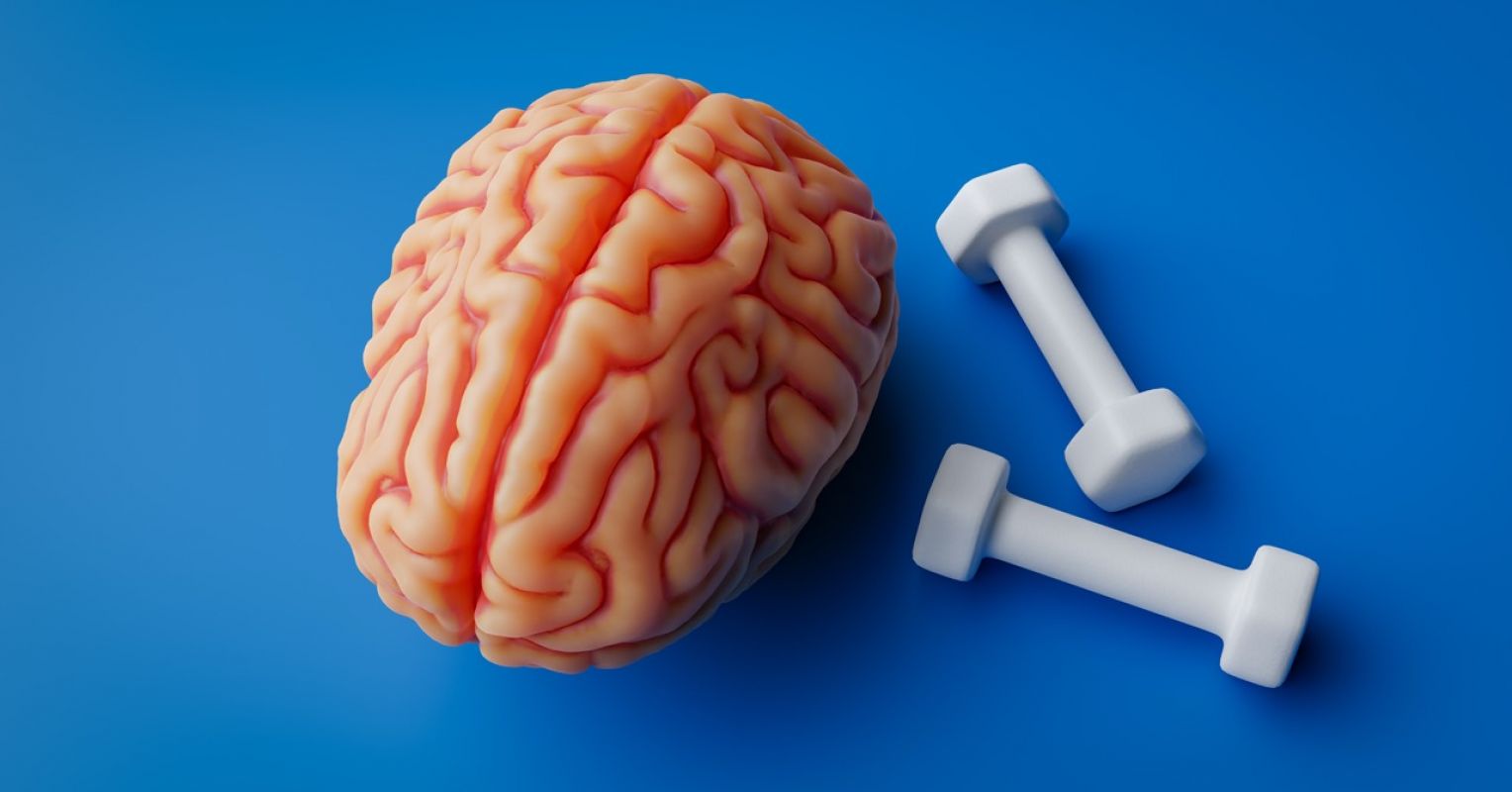
Exercise changes far more than the muscles and heart. A single bout can sharpen attention, alter stress hormones, and, for many people, improve how they feel. Scientists have known about this emotional lift for years. What remains less clear is what happens inside the brain as mood begins to change.
A recent study from the University Hospital Bonn offers a glimpse into that process. Twenty highly trained young men completed three separate sessions: low-intensity interval exercise, high-intensity interval exercise, and a control session in which they sat quietly on a bicycle. Before and after each session, the participants rated their mood and underwent brain imaging while resting. The results indicated that exercise may help preserve, and perhaps strengthen, communication between brain regions that help balance emotional reactions with inward reflection.
A Noticeable Lift in Mood
Positive mood rose significantly after both exercise sessions. The improvement was large after low-intensity exercise and similarly large after high-intensity exercise. High-intensity exercise produced a somewhat greater increase, although the difference between the two exercise levels did not reach the study’s threshold for statistical certainty. Sitting quietly produced no comparable rise in positive mood.
The picture became more complicated when the participants rated negative feelings. Negative mood actually fell after the resting condition, while neither exercise condition produced a statistically clear decrease. Anxiety also remained largely unchanged across all three conditions.
That may sound surprising, but the participants entered the study with very low levels of depression, anxiety, and negative mood. They were also highly fit. There was therefore relatively little distress for exercise to reduce in the first place. The more interesting question was whether the improvement in positive mood had a visible counterpart inside the brain.
A Conversation Between Two Parts of the Brain
The study focused on the amygdala, a small structure deep within the brain that plays an important role in evaluating emotionally important information. Fear attracts much of the attention in discussions of the amygdala, but its role extends well beyond fear. It helps the brain decide what matters emotionally.
The team then examined how activity in the amygdala rose and fell alongside activity elsewhere in the brain. At first, the results looked modest. An analysis across the entire brain found no significant exercise-related changes in communication with the amygdala. The study also failed to reproduce some earlier findings involving the insula and temporal regions.
One region, however, stood out. The precuneus lies toward the back of the brain and forms an important part of a network that becomes active when the mind turns inward. It participates in self-reflection, memory, and the construction of our internal experience. Growing evidence also links it to the way we regulate emotions and direct attention.
Under normal circumstances, activity in the amygdala and precuneus often moves in opposite directions. When activity in one rises, activity in the other tends to fall. Scientists call this an anticorrelation.
During the control condition, this opposing relationship became weaker after participants spent time sitting on the bicycle. Exercise prevented that decline. High-intensity exercise went further, showing a tendency toward an even stronger opposing relationship between the amygdala and precuneus. Three areas within the precuneus showed significant differences when the high-intensity session was compared with the control condition.
Why the Precuneus Matters
The importance of this finding becomes clearer when viewed through the lens of depression. People with major depression often show abnormal activity in the brain network that includes the precuneus. This network helps generate self-focused thought, and excessive activity within it has been linked to rumination, the repetitive cycle of dwelling on distressing thoughts.
Some studies have also found that the normal opposing relationship between the amygdala and precuneus becomes weaker in depression. In certain patients, the two regions may even begin moving together instead of in opposition.
High-intensity exercise appeared to reinforce a pattern of brain communication commonly seen in healthy individuals and sometimes disrupted in affective illness. Earlier work from the same group also found that months of repeated aerobic exercise strengthened this same opposing relationship between the amygdala and precuneus.
Depression Essential Reads
Exercise for the Brain
Physical activity is often described as medicine for the heart, muscles, and metabolism. Its effects on the brain may prove just as important. A workout may be capable of briefly changing the biological state in which thought and emotion occur.
The next step is not to declare one exercise intensity superior to another. It is to understand which forms of activity produce useful brain changes, how long those changes last, and whether repeated exercise can reshape emotional networks in people who need that help most. If that proves true, exercise may eventually take on an even more precise role in mental health care. It could become one more way to influence the biology of emotional regulation through an intervention that is inexpensive, widely available, and already known to benefit the body.
The most promising lesson from this study is, therefore, not that a hard workout makes us happier. It is that even a single period of physical activity may leave a measurable trace in the networks through which the brain organizes emotion. Understanding that trace may help explain why movement has such a powerful influence on how we feel.