
Households will never again see inflation-busting increases in their water bills, ministers are to pledge, as they unveil the biggest shake-up of the industry since privatisation.
Under a radical blueprint for reform, due to be announced next week, the embattled water regulator Ofwat will be abolished and replaced with a new body that has enhanced powers to enforce environmental and consumer protections.
Ministers will also pledge that consumers will no longer have to pay the “massive price” of failing water companies after bills rose by an average of 25 per cent this year.
“Regulation has failed customers and the environment,” Steve Reed, the environment secretary, is expected to say.
“We will introduce root-and-branch reform so hardworking British families will never again face huge shock hikes to their bills like we saw last year.”
The pledge will be made alongside the publication of a long-awaited report by Sir Jon Cunliffe, a former deputy governor of the Bank of England, into the future of Britain’s water industry.
He is expected to recommend that Ofwat should be abolished in its current form and replaced with a new regulator that would have more powers to improve the environmental performance of companies.
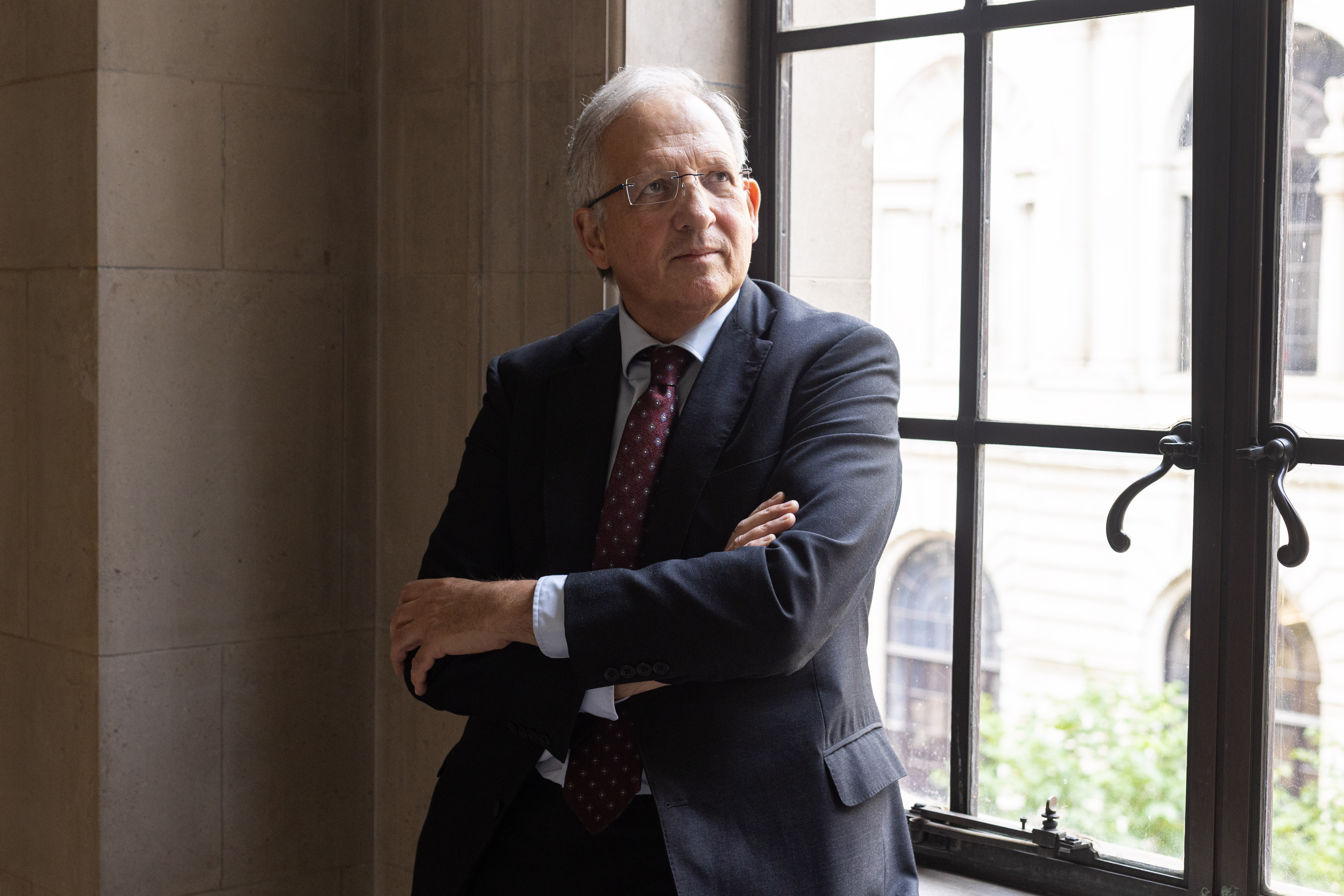
Sir Jon Cunliffe
JOSHUA BRATT FOR THE TIMES
It follows intense criticism of Ofwat over its failure to prevent sewage spills, hefty payments of dividends and water companies’ ballooning debts.
The new regulatory regime would have enhanced powers to protect consumers with the ability to launch investigations into water companies on behalf of customers and issue binding rulings.
There could also be a national scheme to help protect the poorest households struggling to pay their their water bills with the creation of a social tariff, at a significant discount from standard rates.
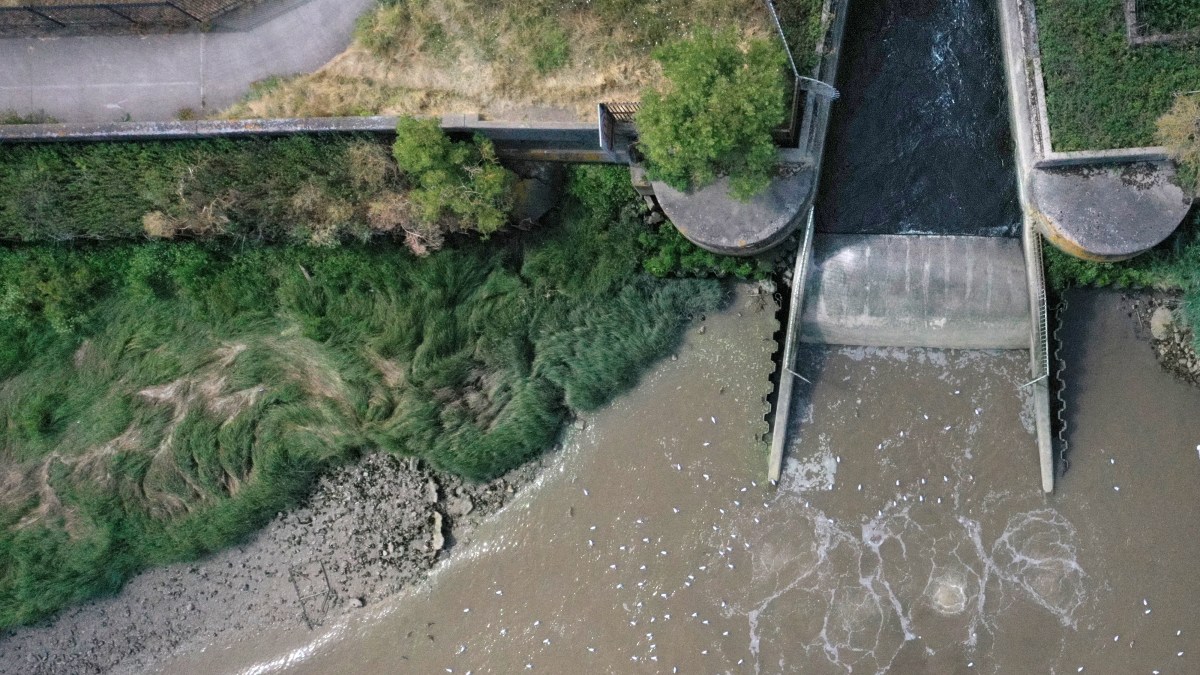
The plan comes as figures revealed that pollution incidents by water companies surged by 60 per cent last year, driven largely by Thames Water, Southern Water and Yorkshire Water.
The Environment Agency (EA) found there were 75 serious pollution incidents last year, up from 47 in 2023. Several of the incidents affected swimming spots and protected waters that are crucial for wildlife.
More than four fifths of the serious pollution events were caused by three companies. Thames Water accounted for 33 incidents, Southern Water 15 and Yorkshire Water 13.
Serious pollution incidents are defined as the top two categories on a four-point scale, meaning they had a major or significant impact on the environment. Total pollution incidents, which include the top three of four categories, also climbed by 29 per cent to 2,801 last year.
Cunliffe is expected to use his report to say that the rise in sewage leaks is not only the result of underinvestment but also the current system of regulation, which is too fragmented.
While the EA can prosecute and fine companies for environmental infringements, it does not have powers to direct investment or oversee water companies directly.
Cunliffe is likely to call for a new “strategic direction” for the sector set by a single regulator with greater enforcement powers. This would require primary legislation, which the government pledged to introduce.
In his interim report, Cunliffe said he was considering options including “rationalising the respective duties and remits of the regulators, and more effective processes for reconciling objectives to more fundamental, structural options for integrating regulatory remits and functions.” He also called for a “radical streamlining and alignment” of regulators.
Asked by MPs last month what he thought about merging regulators, he said: “We will have a recommendation on that.” However, he said mergers were “not straightforward” and could involve drawbacks, including the cost and distraction of a restructuring.
A Downing Street spokesman declined to comment on plans to scrap Ofwat. “We are waiting for Sir Jon Cunliffe’s final report next week. You can expect us to set out our response after that on what more we will do to turn the sector around,” he said.
The water campaigner Feargal Sharkey said that abolishing Ofwat did not go far enough. He said: “To fix this problem you need to disband not just Ofwat but the Environment Agency and the department for the environment that has been at the centre of this debacle for the past 35 years.

Feargal Sharkey believes more radical change is needed
PETER TARRY FOR THE TIMES
“You also need to change the ownership of the water companies that have been allowed to exploit their customers and decimate the environment.
“But Cunliffe has been ‘Sir Humphried’ as he wasn’t even able to look at this.
The Times is demanding faster action to improve the country’s waterways. Find out more about the Clean It Up campaign on our Environment page