
Medically reviewed by Kierra Brown, RD
Potassium is an essential mineral that supports heart, muscle, and nerve function.
Vegetables, including various kinds of potatoes and leafy greens, can be some of the richest dietary sources of potassium.
Check with your doctor before increasing your potassium intake, particularly if you have concerns about your kidney health.
Bananas are one of the most well-known sources of potassium, but many vegetables provide even higher amounts per serving. Many of these vegetables also provide fiber, vitamins, and other important nutrients.
Adding potassium-rich vegetables to your meals is an easy way to increase your intake and support your overall health.
1. Sweet Potatoes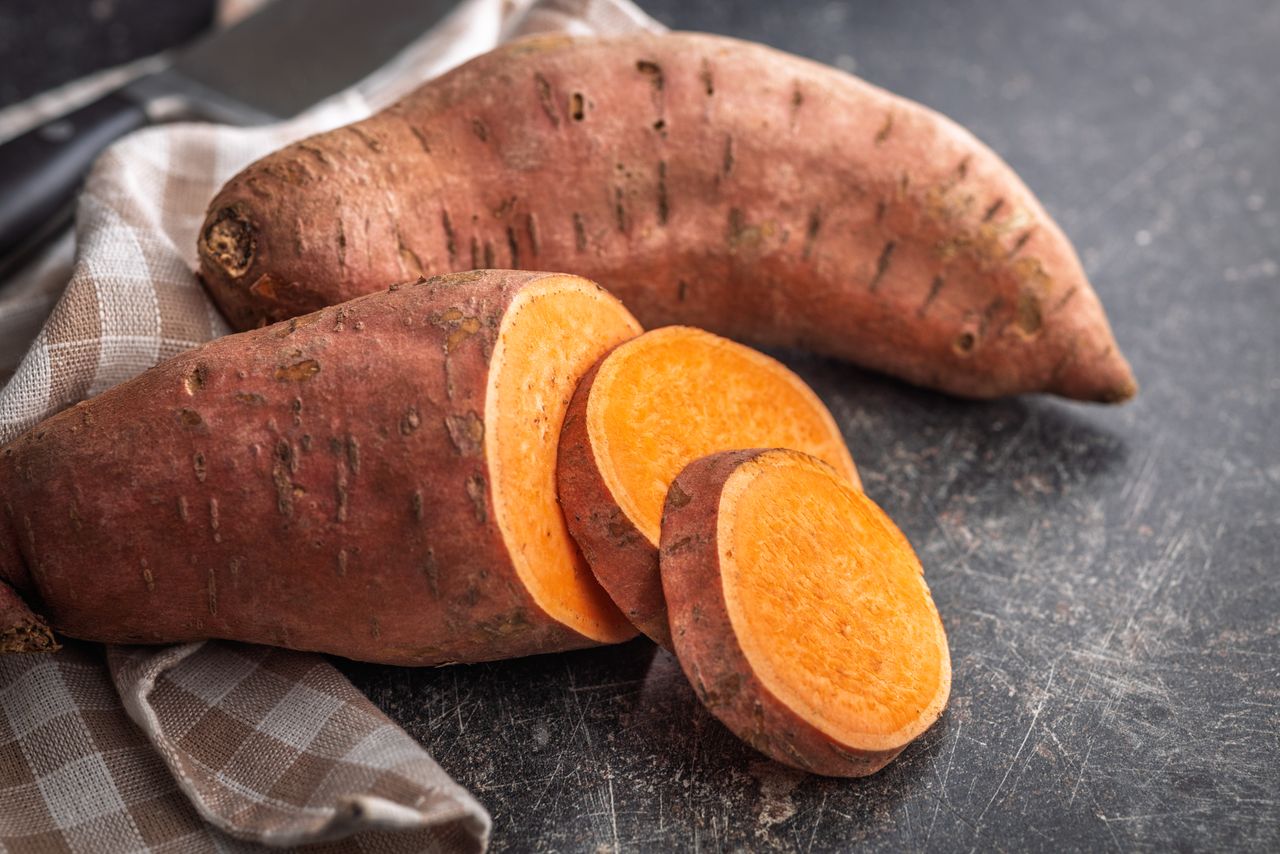
Credit: jirkaejc / Getty Images
Potassium content: 855 milligrams (mg)
Serving size: One large baked sweet potato (180 grams [g])
In the United States, adults are encouraged to get 4,700 milligrams of potassium per day. That means a large, baked sweet potato provides 18.2% of that recommended daily value (DV).
Naturally sweet and nutrient-dense, sweet potatoes offer other essential micronutrients in addition to potassium. For example, they’re one of the best dietary sources of beta-carotene, a plant pigment that the body converts into vitamin A for vision and immune health.
Sweet potatoes are also a good source of fiber, which helps boost digestion, stabilize blood sugar, and more.
Tip: There are lots of ways to add sweet potatoes to your diet—roast, mash, or add them to soups for an easy potassium boost.
2. Spinach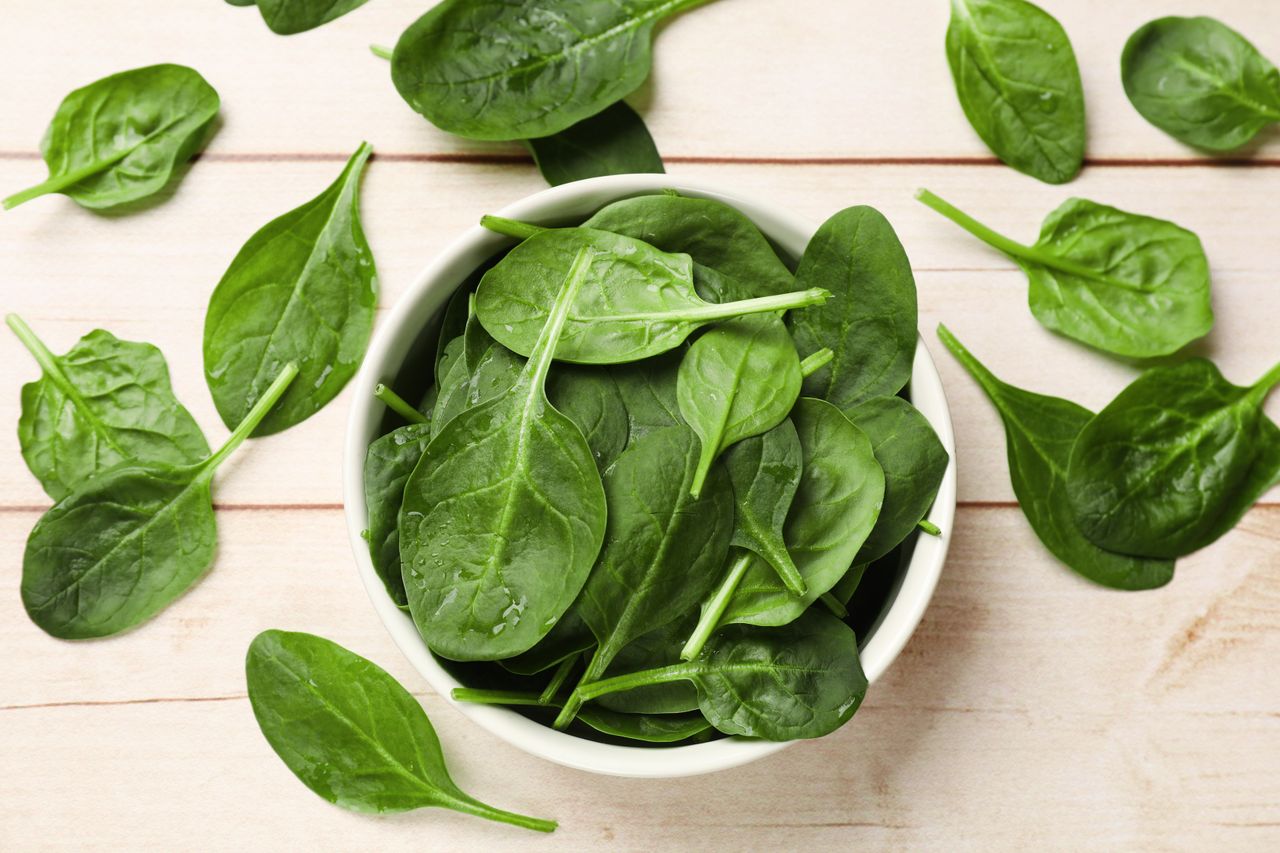
Credit: Liudmila Chernetska / Getty Images
Potassium content: 839 mg
Serving size: 1 cup, cooked (180 g)
Spinach is packed with nutrients—a 1-cup serving of cooked spinach provides 17.9% DV for potassium, along with substantial amounts of magnesium and vitamin K. Together, these micronutrients help support bone and heart health.
Tip: Steamed, sautéed, or added to soups and omelettes, spinach offers an easy way to get more nutrients in your diet.
3. Swiss Chard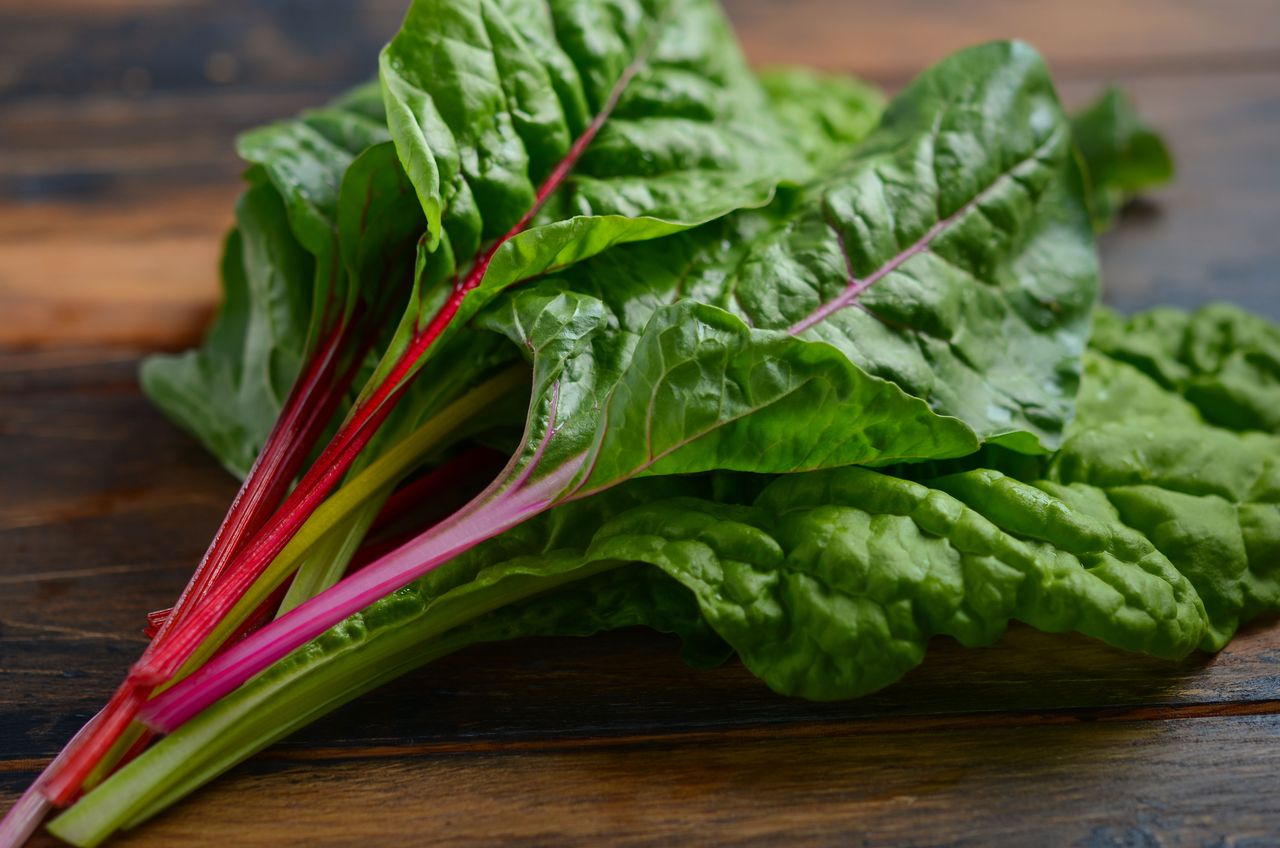
Credit: JulijaDmitrijeva / Getty Images
Potassium content: 961 mg
Serving size: 1 cup, cooked (175 g)
Swiss chard—specifically its stems—are rich in potassium, offering 20.4% DV in just one cup. The leafy green also contains a substantial amount of magnesium, which supports muscle and nerve function, along with antioxidants that may help reduce inflammation.
Tip: You can use Swiss chard in stir-fries, stews, or in salad wraps.
4. Beet Greens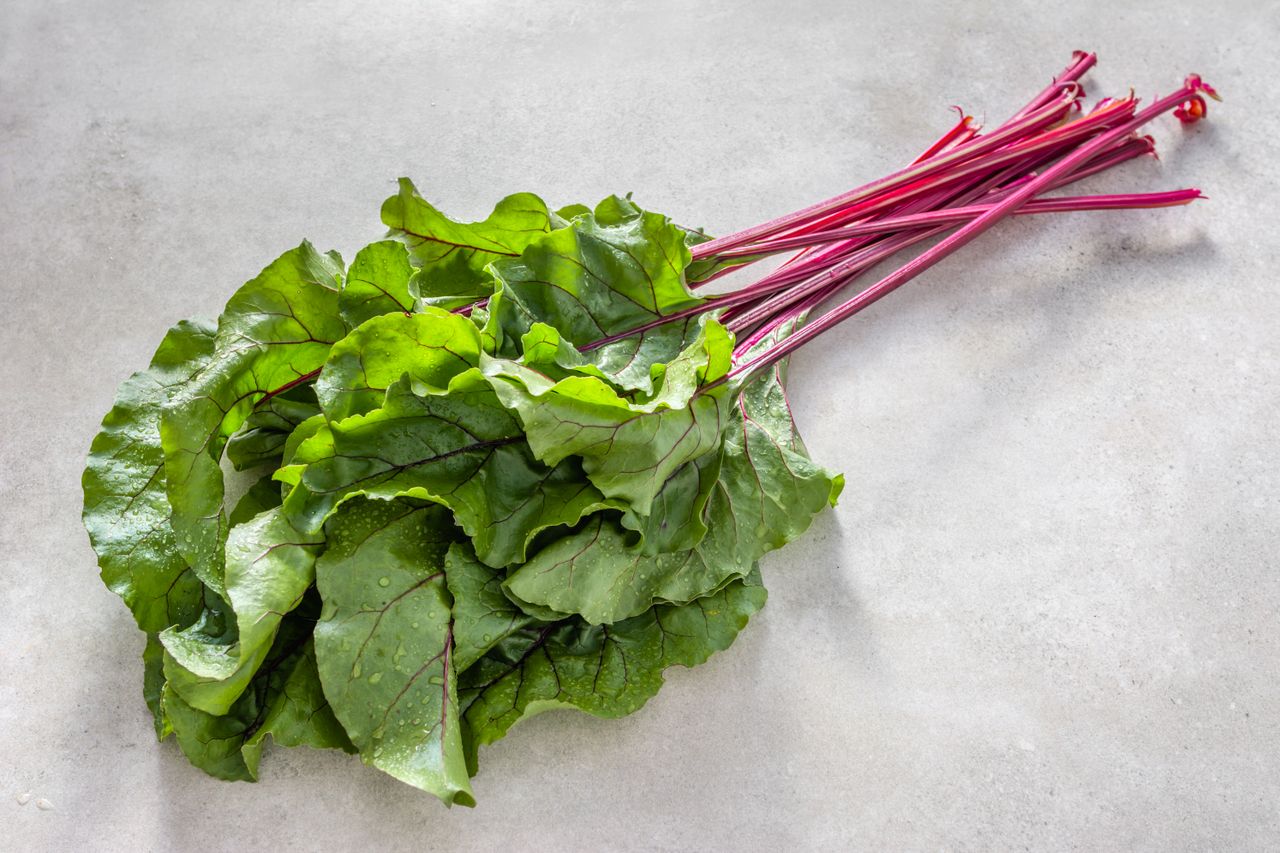
Credit: alicjane / Getty Images
Potassium content: 1,310 mg
Serving size: 1 cup, cooked and cut into 1-inch pieces (144 g)
Beet greens are one of the most potassium-dense vegetables—a 1-cup serving of cooked beet greens provides 27.9% DV. They’re also very high in vitamin K, which supports bone health and heart function.
Tip: For an easy nutrient boost, try sautéing beet greens with garlic, lemon, and red pepper flakes, or add them to soups.
5. Acorn Squash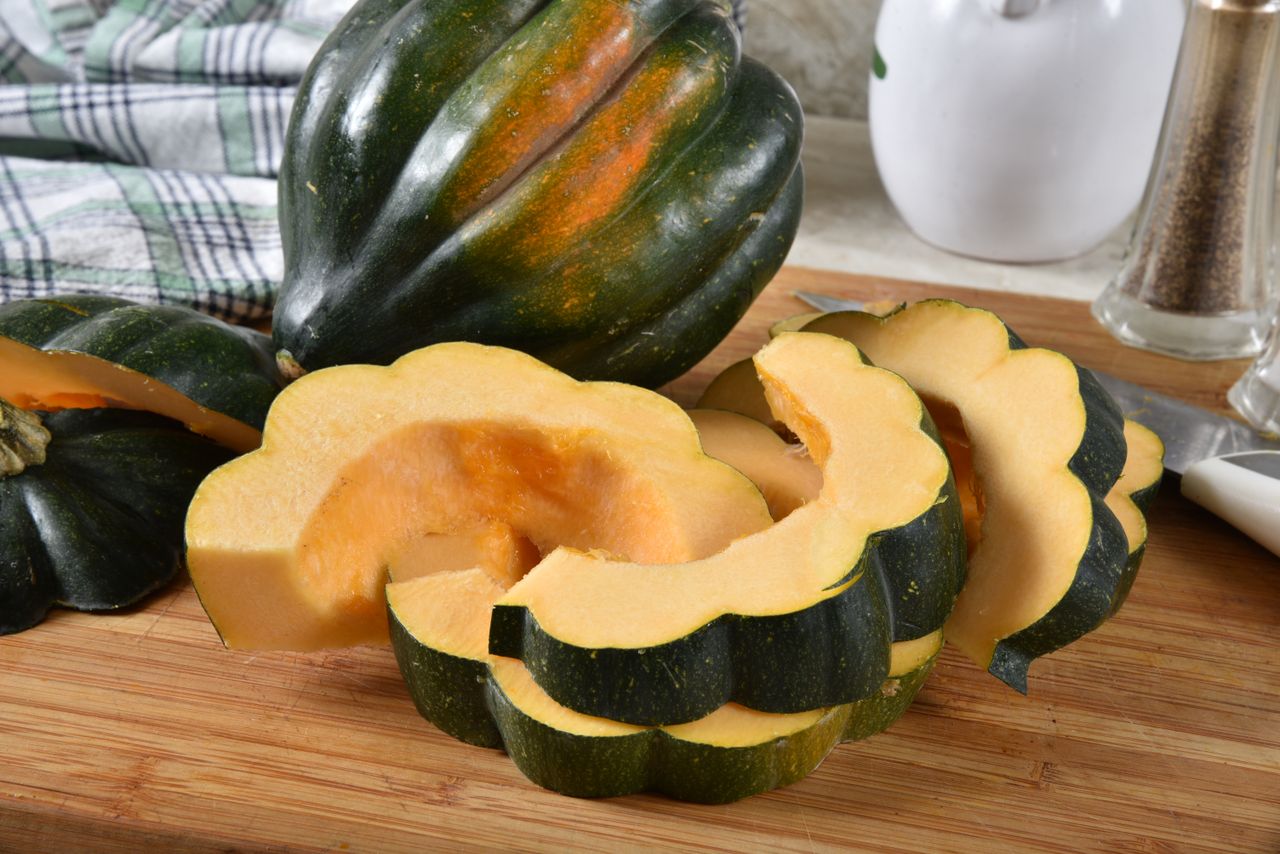
Credit: MSPhotographic / Getty Images
Potassium content: 896 mg
Serving size: 1 cup, cubed and baked (205 g)
In a 1-cup serving, acorn squash provides 19% DV for potassium, as well as 9 grams of fiber to support heart and digestive health.
Tip: Acorn squash has a nutty, buttery flavor and a creamy texture when cooked. You can add it to casseroles or soups, or bake, roast, or mash it for a sweet and filling side dish.
6. White Potatoes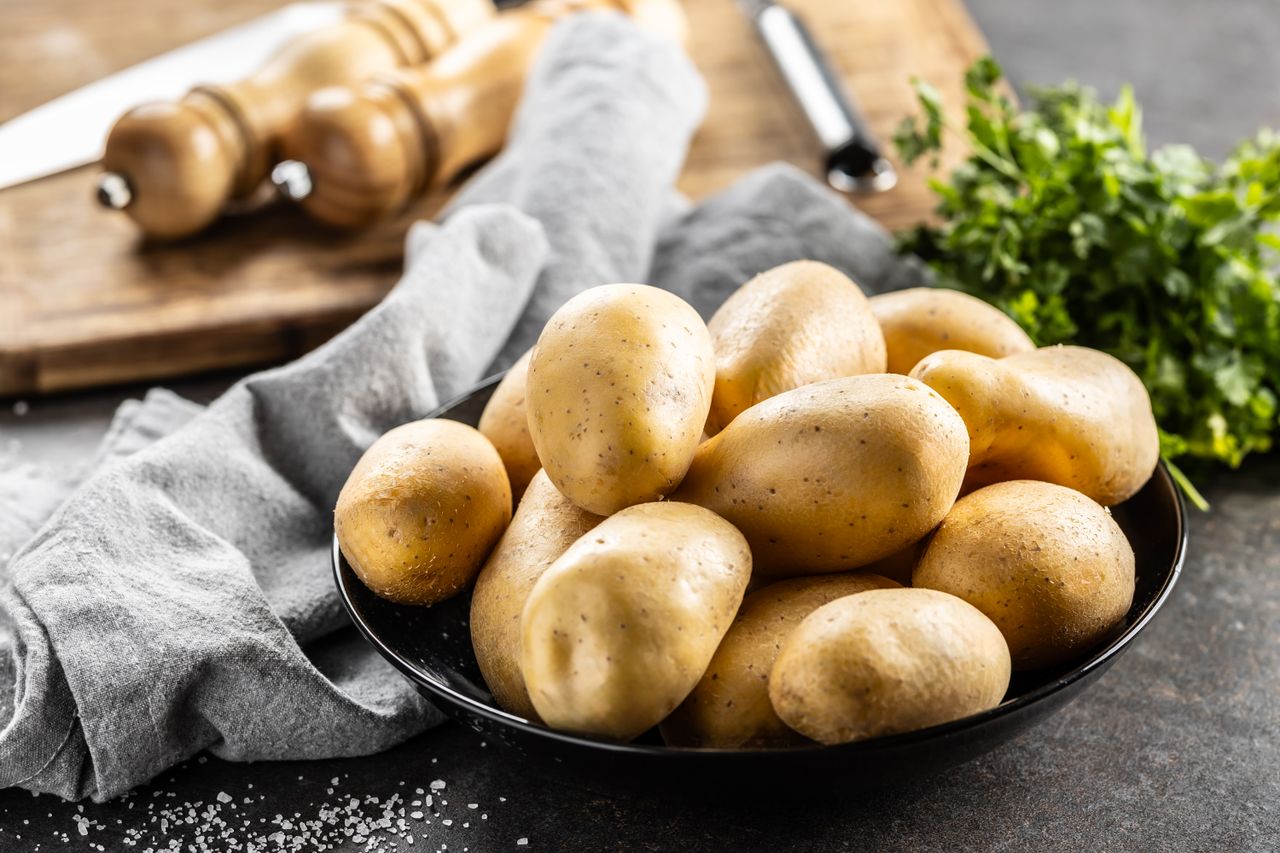
Credit: SimpleImages / Getty Images
Potassium content: 941 mg
Serving size: 1 medium potato, baked (173 g)
A typical medium, baked white potato offers 20% DV for potassium. These versatile starchy vegetables can also help you get closer to your daily vitamin C, magnesium, and fiber goals.
Tip: You can bake, roast, or mash white potatoes to be used as a side dish—but for the greatest nutrient and antioxidant boost, make sure to leave the skins on.
7. Yams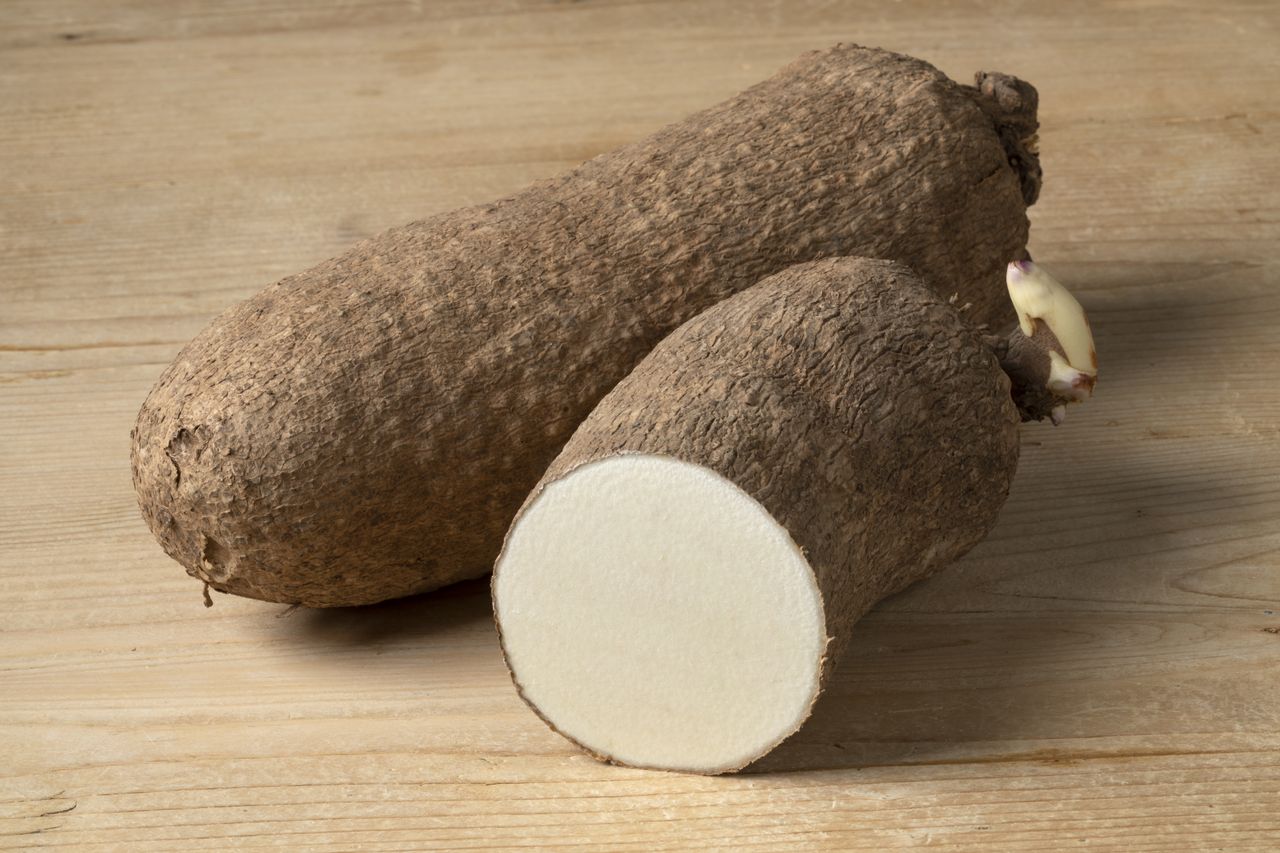
Credit: PicturePartners / Getty Images
Potassium content: 911 mg
Serving size: 1 cup, cubed and cooked (136 g)
Yams, similar in appearance to sweet potatoes, offer 19.4% DV for potassium in a 1-cup serving. They’re also a decent source of fiber, making yams helpful for heart health, digestion, stable blood sugar, and other benefits.
Tip: White or slightly yellow in color, the flesh of yams should be easy to eat and slightly sweet. In your kitchen, you can make candied yams, use yams to make fries or chips, or mash or roast them as a side dish.
How Can You Eat More Potassium-Rich Vegetables?
Potassium is essential for healthy muscles, nerves, and heart function—luckily, most healthy people have normal potassium levels and can get the potassium they need from a balanced, varied diet.
Vegetables such as sweet potatoes, white potatoes, leafy greens, and squash are often easy to incorporate into a variety of meals and can help you meet your daily potassium needs. Plus, these vegetables can help give you a boost of fiber, antioxidants, and other nutrients.
Try adding spinach to smoothies, combining Swiss chard and sweet potato in stews, or mixing these potassium-rich vegetables together as a side dish.
Though potassium is crucial for maintaining your health, some people may need to limit their intake if they have chronic kidney disease, take certain drugs for high blood pressure, or have other underlying health concerns.
Talk to a doctor about what a healthy potassium intake looks like for you.
Read the original article on Health